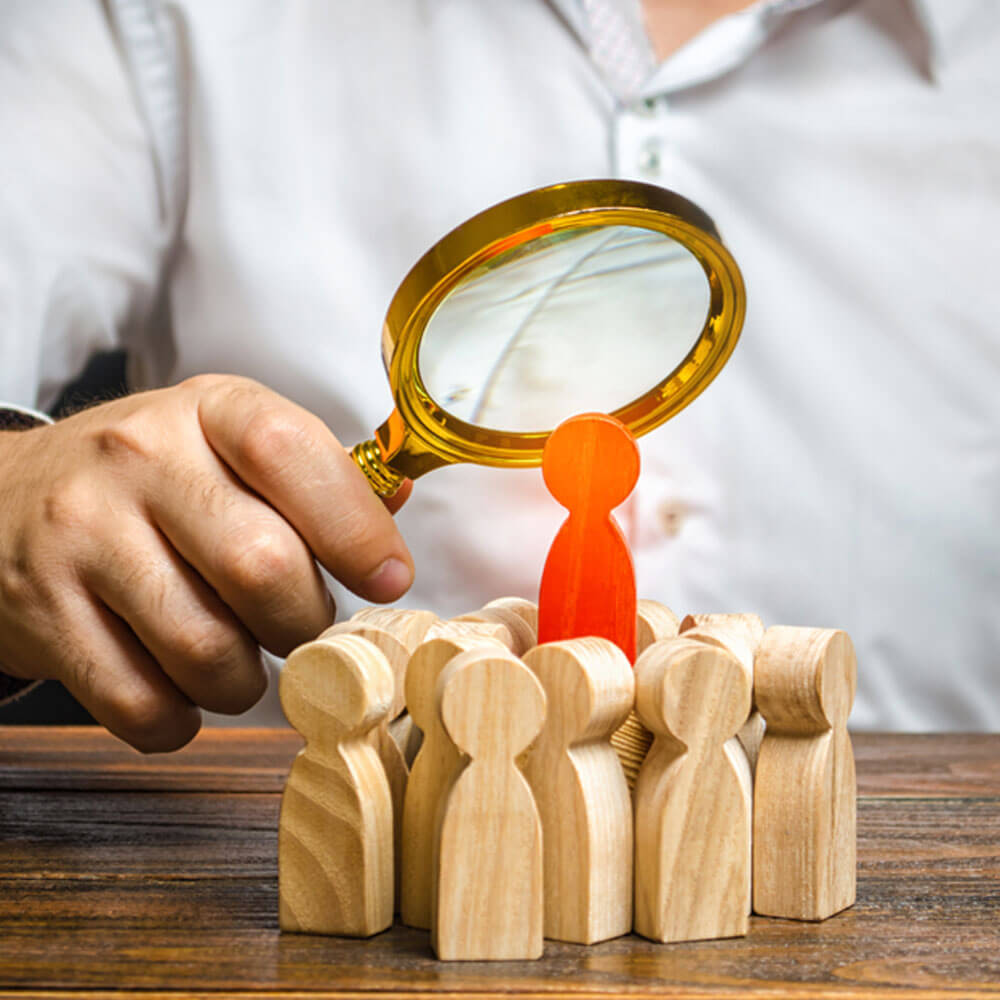
Life introduces us to all kinds of people — some who uplift us, and others who slowly drain our emotional energy. When someone’s patterns leave you stressed, insecure, or overwhelmed, you may be dealing with a toxic person. Their behavior doesn’t just create conflict — it can harm your emotional and psychological well-being.This guide breaks down 7 signs of a toxic person, how these behaviors affect mental health, and how therapy can help you set boundaries, heal, and regain control.
Understanding Toxic People and Their Impact

Toxic people often display ongoing patterns that chip away at your confidence, autonomy, and peace of mind. Their behavior is rarely accidental — it’s repetitive, manipulative, and emotionally exhausting.At Uncover Mental Health Counseling in New York City, our licensed therapists help clients process toxic relationships using evidence-based therapies such as CBT, DBT, Psychodynamic Therapy, and more.
1. Constant Criticism
Toxic individuals rarely acknowledge strengths — they focus on flaws.
✔ Belittling comments
✔ Insults disguised as “jokes”
✔ Negative remarks about your choices, appearance, or achievements
Over time, this persistent negativity can erode self-worth and create anxiety or self-doubt.
How therapy helps:
Using CBT, therapists help clients identify internalized criticism, challenge negative beliefs, and rebuild confidence.
2. Manipulative Behavior
Manipulation is emotional control disguised as concern, guilt, or affection.
You may feel pressured to:
- Make decisions that don’t align with your values
- Apologize when you’ve done nothing wrong
- Sacrifice your needs to avoid conflict
This creates emotional dependency and confusion.
How therapy helps:
Therapists teach assertive communication, boundary-setting, and emotional independence so you can make choices aligned with your truth.
3. Lack of Empathy
A toxic person often cannot — or will not — acknowledge your emotions. They may:
- Dismiss your feelings
- Criticize your vulnerability
- Make you feel weak for being hurt
This creates emotional loneliness.
How therapy helps:
With Psychodynamic Therapy and ACT, clients learn to validate their own emotions, explore past relationship patterns, and restore self-compassion.
4. Drama and Conflict
Toxic individuals thrive in chaos. They may:
- Start arguments
- Gossip
- Stir tension
- Blame others for everything
Living in constant conflict leads to emotional exhaustion, anxiety, and a persistent sense of instability.
How therapy helps:
Through stress-management and emotional regulation skills, clients learn to stay grounded and disengage from drama.
5. Controlling Tendencies
Control may start subtle — but increases over time:
- Monitoring your time, decisions, or friends
- Expecting you to justify your action
- Disapproving when you assert independence
This creates a power imbalance where your choices no longer feel like your own.
How therapy helps:
With DBT and relationship counseling, therapists help clients reclaim autonomy, communicate assertively, and rebuild self-trust.
6. Gaslighting
Gaslighting makes you doubt your perception of reality.
A toxic person may:
- Deny things they’ve said
- Accuse you of being “too sensitive
- Twist facts until you feel confused or guilty
This damages self-trust and emotional stability.
How therapy helps:
Using REBT and trauma-informed care, therapists help clients rebuild confidence, identify manipulation, and reconnect with their truth.
7. Boundary Violations
Healthy relationships respect boundaries. Toxic people push past them:
- Ignoring your “no”
- Invading privacy
- Overstepping emotional or physical space
Repeated violations make you feel powerless or guilty for asserting yourself.How therapy helps:
Through assertiveness training, therapists teach clear boundary-setting and help clients protect their emotional space with confidence.
Can a Toxic Person Change?
Change is possible — but only if the toxic person:
✔ Acknowledges their behavior
✔ Takes accountability
✔ Actively seeks help
✔ Commits to personal growth
Many toxic individuals resist self-awareness, so protecting your mental health must come first.
Therapy can support:
- Insight into behaviors
- Emotional regulation
- Healthier communication
- Rebuilding damaged relationships
If the person is not willing to change, distance may be necessary for your well-being.
How Toxic People Affect Your Mental Health

Toxic relationships can lead to:
Low self-esteem and self-doubt
✔ Internalizing criticism
✔ Second-guessing your choices or feelings
CBT helps rebuild confidence and challenge negative beliefs.
Chronic stress and anxiety
✔ Fear of the next argument or outburst
✔ Constant hypervigilance
DBT teaches emotional regulation and mindfulness to stay grounded.
Emotional exhaustion and burnout
✔ Walking on eggshells
✔ Feeling emotionally drained
Therapy helps break toxic cycles and restore energy.
Isolation from friends and family
✔ Guilt or pressure to withdraw from others
Therapists support clients in rebuilding healthy support systems.
Depression or guilt
✔ Feeling unworthy, ashamed, or stuck
Trauma-informed therapy helps release shame and rediscover self-worth.
Physical symptoms — headaches, sleep issues, tension, weakened immunity — are also common results of chronic stress.
5 Coping Strategies for Dealing with a Toxic Person
1. Set Boundaries
Define what you will and won’t tolerate.
Boundaries protect emotional safety.
2. Limit Contact
Distance creates space to heal — emotionally and physically.
3. Practice Self-Care
Reclaim identity through:
✔ movement
✔ journaling
✔ rest
✔ hobbies
4. Seek Support
Friends, family, or a therapist can offer clarity, validation, and direction.
5. Educate Yourself
The more you understand toxic patterns, the easier it becomes to avoid them in the future.
Find Support at Uncover Mental Health Counseling (NYC)
You don’t have to face this alone.
Our NYC therapists specialize in:
✔ Individual Therapy
✔ Trauma-Informed Care
✔ Couples Counseling
✔ CBT, DBT, and Psychodynamic Therapy
We help clients rebuild confidence, set boundaries, and find emotional freedom.
Take the first step toward healing. Book an appointmen today with Uncover Mental Health Counseling NYC today
FAQs About Toxic Relationships and Mental Health
1. How can therapy help me deal with a toxic person?
Therapy helps you recognize manipulation, rebuild confidence, and learn coping skills like boundary-setting and emotional regulation.
2. What are early warning signs of a toxic relationship?
Frequent criticism, manipulation, blame-shifting, and boundary violations. If you constantly feel anxious, drained, or controlled — it’s a red flag.
3. Can toxic behavior come from mental health issues?
Sometimes — trauma or personality disorders can contribute. Therapy can address both behavior and root causes.
4. Is it possible to repair a relationship with a toxic person?
Yes, but only if they’re willing to change and take accountability. Couples counseling can help, but safety and mental health come first.
5. When should I seek professional help?
If your confidence, well-being, or emotional safety is affected, therapy can help you reclaim control and move forward.