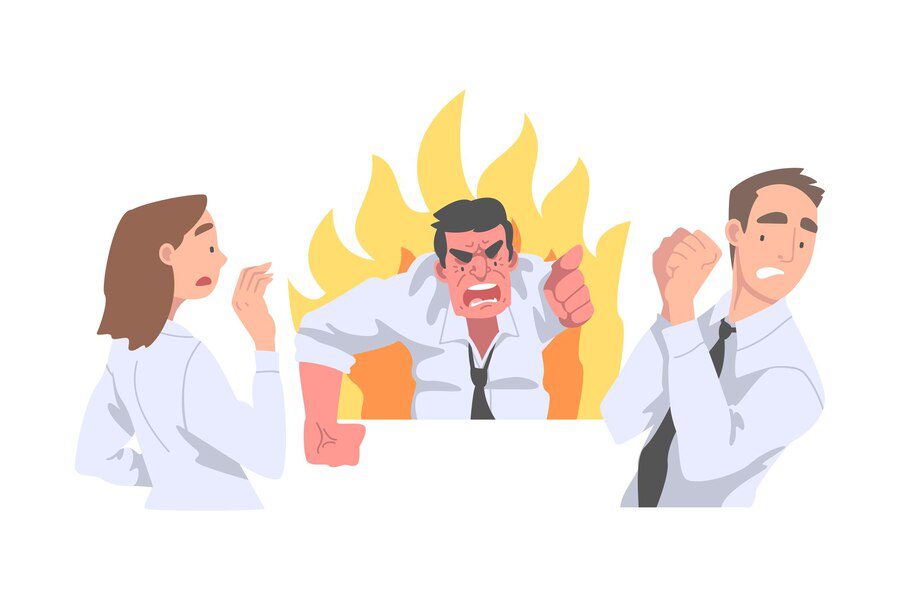
Understand Your Anger. Take Back Control.
If you’re searching for anger management in NYC, you’re probably not dealing with random outbursts. Anger is usually a signal, not the actual problem. For a lot of people it sits on top of stress, pressure, burnout or emotional overload, and it shows up in the moments you least want it to.
At Uncover Mental Health Counseling, our virtual therapy helps you pause the reaction, get clearer on what’s driving it, and build responses that hold up in real life. This is one-to-one therapy with a licensed counselor, not a court-ordered class.
Does This Sound Familiar?
- A flash of anger that surprises you, then regret
- Constant irritability, or a steady background of frustration
- Feeling swamped when pressure rises
- Arguments with a partner, family or colleagues that keep going in circles
- Holding everything in until it comes out all at once
- Worry about how your anger is affecting the people around you
None of this makes you a bad person. It means something underneath needs attention.
If your anger has led to harming someone, or you’re worried you might, get help right away: call 911, or call or text 988.
What’s Usually Underneath
Anger doesn’t look the same for everyone. For many high-achieving professionals it’s tied to burnout, perfectionism, unresolved stress, feeling stuck or powerless, or hurt that has nowhere else to go. Therapy looks at what the anger is protecting, not only how to switch it off.
Related reading: how to control your anger, feeling irritable: common causes, and burnout in NYC.
How Anger Management Therapy Works
This isn’t just venting, and it isn’t a list of calming tricks. It’s structured, guided work, drawing on [Cognitive Behavioral Therapy (CBT) and Dialectical Behavior Therapy (DBT) skills. In sessions you will:
- Identify your triggers and the pattern of how anger escalates
- Understand what the anger is protecting: stress, hurt, overwhelm
- Learn regulation tools for the moment itself
- Practice clearer, calmer communication at work and at home. See healthy communication in relationships
- Build lasting resilience under pressure
The goal moves from reaction, to awareness, to control, little by little.
Don't just take our word for it!
Here's what our clients have to say:
Frequently Asked Questions
How do I know if I might be dealing with anger management difficulties?
Anger management problems can show up as very intense outbursts of anger, physical aggression, or verbal aggression. If you feel like anger may be messing with your life , or the lives of people around you, then it’s a good idea to reach out for professional support, especially for anger management and for learning managing anger techniques.
Can anger management therapy help me?
Yes, anger management therapy is usually meant to help people handle, control, and regulate their anger in a more effective way. In sessions, you can start noticing your anger triggers, pick up healthier coping mechanisms, understand managing anger techniques, build emotional regulation skills, and improve communication . This can support healthier relationships too.
Is anger management therapy only for people who get explosively angry?
No, anger management therapy is helpful for a pretty wide range of anger-related concerns. Whether you have sudden, explosive rage moments , or you deal with internalized anger that comes out as resentment or passive-aggressive behavior, it can still help you , you know, get clarity, practice healthier reactions, learn managing anger techniques, and support your overall emotional well-being.
How does anger affect high achievers?
Often high achievers are propelled by anger and a persistent worry that if they don’t keep that emotion around, they’ll lose their pull toward success. They can feel really energized by resentment, especially when their inner scripts sound like “I’ll show them” or something along those lines. In the same breath though, if that aggression stays unregulated, whether it’s stuck inside them or pushed outward, it can start to slide into depression, anxiety, and a bunch of physical symptoms.
What really feeds feelings of anger for high achievers?
In many cases it comes from that relentless need to succeed, plus perfectionism that kind a tightens everything. There’s also burnout and plain work or academic stress, and underneath it all there can be hurt, pressure , or even a feeling of being stuck and powerless.