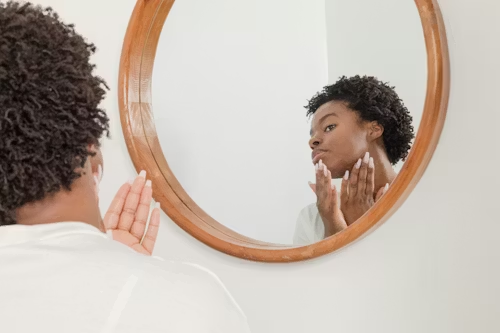
Androphobia is an intense and irrational fear of men that can significantly impact an individual’s daily life, relationships, and mental health. While some level of discomfort around certain individuals is natural, androphobia goes beyond mere discomfort—it leads to extreme anxiety, avoidance behaviors, and distress in situations involving men. If left unaddressed, androphobia can affect self-esteem, social interactions, and overall emotional well-being. Understanding what androphobia is, recognizing its symptoms, and exploring treatment options can help those affected find relief and regain control over their lives.
What Is Androphobia?

What is androphobia? Androphobia is classified as a specific phobia, meaning it involves an excessive and irrational fear of a particular object, situation, or person—in this case, men. Individuals with androphobia may experience intense fear, panic attacks, or anxiety symptoms when in the presence of men or even when thinking about them. This fear may stem from personal experiences, trauma, or cultural and societal influences.
Unlike general anxiety disorders, which can manifest in various situations, androphobia is specifically tied to the fear of men and can lead to significant disruptions in work, social interactions, and personal relationships. Therapy, including Cognitive Behavioral Therapy (CBT) and Exposure Therapy, can help individuals manage and reduce their symptoms.
Androphobia Meaning and Causes
The androphobia meaning goes beyond just a dislike or general discomfort around men—it is an overwhelming fear that triggers significant distress. The causes of androphobia can vary, and in many cases, it is linked to past experiences or deep-seated psychological patterns. Some common causes include:
- Trauma or Abuse – Individuals who have experienced assault, harassment, or any form of abuse at the hands of men may develop androphobia as a psychological defense mechanism.
- Negative Childhood Experiences – Witnessing domestic violence, growing up in a household with abusive male figures, or experiencing neglect from male caregivers can contribute to the development of this fear.
- Cultural or Social Influences – In some cultures, traditional gender roles and negative stereotypes about men may reinforce fear-based perceptions.
- Anxiety Disorders and PTSD – Individuals with generalized anxiety disorder (GAD), post-traumatic stress disorder (PTSD), or social anxiety may develop androphobia as a result of their underlying conditions.
- Learned Behavior – If someone close to an individual, such as a parent or caregiver, exhibited fear or distrust of men, this belief system could be passed down and internalized.
If you or someone you know is struggling with androphobia, seeking professional help from a Trauma Therapist NYC can provide guidance and effective treatment strategies.
What Does Fear Do to You?
Fear triggers a powerful and immediate response in the body, preparing an individual to confront or escape a perceived threat. This physiological reaction is commonly known as the fight-or-flight response, and it affects both men and women in similar ways, though the intensity and coping mechanisms may vary based on individual and situational factors.
When a man experiences fear, the body undergoes a series of rapid changes driven by stress hormones like cortisol and adrenaline. These hormones are released by the adrenal glands, which prepare the body to either fight the threat or flee from it. As a result, several physical changes occur:
- Increased Heart Rate and Blood Pressure: Fear causes the heart to pump faster to circulate blood more quickly, ensuring that the body has enough oxygen and energy to respond to the threat. This increase in heart rate and blood pressure also helps muscles become more responsive and ready for action.
- Faster Breathing: The body needs more oxygen during a stressful situation, so breathing becomes rapid and shallow. This allows the lungs to take in more air and provide oxygen to the bloodstream more efficiently.
- Blood Flow Redirects: Blood is diverted from the digestive system and internal organs, flowing instead to the limbs—arms and legs—preparing the body to either fight or run. This is why a man may feel a surge of strength or an urge to flee when confronted with fear.
- Tense Muscles: Muscles tighten in preparation for either physical confrontation or escape. This tension can lead to a feeling of physical readiness or even discomfort, such as clenched fists or tightness in the chest.
- Cognitive Impact: Fear also affects mental clarity and decision-making. In a fearful situation, cognitive resources may become hyper-focused on the threat, making it difficult to think logically or consider long-term consequences.
While fear can be an adaptive response, helping a man react quickly to danger, chronic or overwhelming fear can have harmful long-term effects. Prolonged exposure to stress hormones can lead to physical and emotional issues such as anxiety, depression, cardiovascular problems, and impaired immune function. Managing fear through techniques like relaxation, mindfulness, and therapy can help mitigate these impacts, promoting emotional resilience and overall well-being.
Androphobia Symptoms
Androphobia symptoms can manifest both physically and emotionally, significantly affecting a person’s ability to function in environments where men are present. Some common symptoms include:
Emotional Symptoms:
- Intense fear or anxiety when around men or discussing them
- Persistent avoidance of social situations involving men
- Feelings of helplessness, dread, or panic when encountering men
- Negative thought patterns and irrational fears about men’s intentions
- Depression or feelings of isolation due to avoiding male interactions
Physical Symptoms:
- Rapid heartbeat and shortness of breath
- Sweating, dizziness, or nausea
- Muscle tension and trembling
- Panic attacks when in the presence of men
- Difficulty speaking or thinking clearly
If these symptoms interfere with daily life, working with a Therapist for Depression in NYC or an Anxiety Therapist NYC can be beneficial.
The Impact of Androphobia on Mental Health
Androphobia is more than just an isolated fear—it can have long-term consequences on mental and emotional well-being. Individuals who struggle with androphobia often experience heightened anxiety, difficulty forming relationships, and a persistent sense of discomfort in social situations involving men. The chronic stress and avoidance behaviors associated with this phobia can lead to additional mental health challenges, including:
- Increased Social Anxiety – Those with androphobia may avoid public spaces, workplaces, or social gatherings where men are present, leading to significant social isolation.
- Interpersonal Relationship Struggles – Fear of men can interfere with developing and maintaining friendships, family connections, and romantic relationships, potentially leading to emotional loneliness.
- Workplace Challenges – Avoidance of male colleagues or supervisors can limit career growth, hinder communication, and create professional setbacks.
- Emotional Distress and Depression – The persistent fear and isolation can contribute to feelings of sadness, hopelessness, and low self-esteem, increasing the risk of depression.
- Substance Abuse Risks – Some individuals may resort to alcohol or drugs to manage their anxiety, which can lead to additional mental health concerns and dependency issues.
Understanding these effects highlights the importance of seeking professional support. Treatment options such as Acceptance and Commitment Therapy (ACT), Cognitive Behavioral Therapy (CBT), and Prolonged Exposure Therapy can help individuals gradually reduce fear and regain control over their mental well-being
Can Men Suffer from Androphobia?
Yes, men can suffer from androphobia, a specific phobia characterized by an irrational fear or anxiety towards men. While androphobia is often discussed in the context of women due to societal and cultural factors, it can affect individuals of any gender, including men and those who are gender-nonconforming. Like other phobias, androphobia can cause intense distress and interfere with a person’s daily life, leading to avoidance behaviors and significant emotional challenges.
Androphobia, although relatively rare, is considered a type of specific phobia, which is a category of anxiety disorders involving an excessive, persistent fear of specific objects or situations. Estimates suggest that approximately 7.4% of the population will experience a specific phobia at some point in their lives. Women are generally more likely to experience specific phobias compared to men, but this does not exclude men from being affected.
In some cases, men with androphobia may experience heightened anxiety in social situations, difficulty establishing relationships, or avoidance of settings where they would be in close proximity to men. The underlying causes of androphobia can vary, ranging from personal trauma or negative experiences with men to broader social or cultural factors.
Treatment for androphobia, as with other specific phobias, typically involves therapeutic interventions such as Cognitive-Behavioral Therapy (CBT), exposure therapy, and sometimes medication to reduce anxiety. With proper treatment, individuals can work toward overcoming their fears and improving their quality of life.
How Common is Androphobia?
Androphobia, the irrational fear or anxiety toward men, is considered a relatively rare but impactful specific phobia. While most research on phobias tends to focus on more commonly known fears such as arachnophobia (fear of spiders) or agoraphobia (fear of open spaces), specific phobias like androphobia still affect a notable portion of the population.
Though exact statistics on androphobia are limited, studies suggest that specific phobias, in general, affect around 7-9% of people at some point in their lives. Androphobia, as part of this category, is estimated to be less prevalent compared to other common phobias such as social anxiety disorder or animal-related fears. However, it is still significant enough to warrant attention. The prevalence of androphobia can vary depending on geographical location, cultural factors, and the presence of past traumatic experiences with men.
In some cases, androphobia can be a result of past abuse, trauma, or negative interactions with men, which may trigger heightened anxiety or fear in situations involving men in the present. Additionally, this fear can also be exacerbated by societal factors such as gender-based violence or cultural norms that shape how men and women perceive each other.
While the exact numbers of individuals affected by androphobia are hard to pinpoint, the condition is serious for those who experience it, as it can severely limit social, personal, and professional interactions.
How to Overcome Androphobia
Overcoming androphobia is possible with the right therapeutic interventions and self-help strategies. Some effective methods include:
1. Exposure Therapy
Gradual exposure to men in controlled environments can help desensitize individuals to their fear. This process should be done with the guidance of a mental health professional to ensure safety and effectiveness.
2. Cognitive Behavioral Therapy (CBT)
CBT helps individuals identify and challenge irrational fears and negative thought patterns associated with men. It also equips them with coping mechanisms to manage anxiety in triggering situations.
3. Mindfulness and Relaxation Techniques
Practicing meditation, deep breathing exercises, and yoga can help reduce anxiety levels and improve overall emotional resilience.
4. Seeking Professional Support
Working with a Stress Management NYC specialist or a Self Esteem Therapy in NYC professional can provide tailored treatment plans to help individuals gradually overcome their fears.
5. Support Groups
Connecting with others who have similar experiences can provide emotional support and encouragement in the healing journey.
How Therapy Can Help

Therapy plays a crucial role in addressing androphobia and its underlying causes. Some recommended treatment approaches include:
- Psychodynamic Therapy – Helps individuals explore deep-rooted fears and past trauma.
- Cognitive Behavioral Therapy (CBT) – Focuses on identifying and modifying irrational fears and beliefs.
- Dialectical Behavioral Therapy (DBT) – Assists with emotional regulation and distress tolerance.
- Acceptance and Commitment Therapy (ACT) – Encourages individuals to accept their emotions while developing coping strategies.
- Rational Emotive Behavioral Therapy (REBT) – Helps challenge and replace irrational fears with rational thoughts.
- Prolonged Exposure Therapy – Useful for those whose androphobia is rooted in trauma.
Therapists specializing in Anxiety Therapist NYC or Trauma Therapist NYC can guide individuals through these treatment options to achieve long-term relief.
Overcome Androphobia With Proper Treatment
Androphobia is a debilitating fear of men that can severely impact mental health, relationships, and daily life. Recognizing androphobia symptoms, understanding its meaning, and seeking appropriate treatment can help individuals regain control over their fears. Therapy, exposure techniques, and mindfulness strategies can provide effective tools to manage anxiety and improve overall well-being.
If you or a loved one is struggling with androphobia, professional help is available. At Uncover Counseling, we offer compassionate mental health services tailored to individual needs. Whether you need support from an Anxiety Therapist NYC, Therapist for Depression in NYC, or Self Esteem Therapy in NYC, our team is here to assist you in your healing journey. Reach out today and book an appointment to take the first step toward overcoming your fears and living a more fulfilling life.