
Is PTSD or depression/anxiety someone in your circle of friends/family or even you? The weight of such conditions is so high that one can hardly bear it; however, a way out is there. Occupational therapy (OT) for depression is one of the ways through which a patient is assisted in the recovery process.
Understanding the Role of Occupational Therapy
Occupational therapy treatment of depression is a comprehensive and holistic health profession that aims to improve individual’s well being and quality of life by enabling them to participate in activities that are meaningful and purposeful to them. The activities, or “occupations, ” are a wide range of tasks and roles that people are involved in every day.
The main ethos of occupational therapy revolves around the idea that doing meaningful work supports health, well, being, and life satisfaction. The same goes for everyone, irrespective of their age, capability, or health status.
Occupational therapists collaborate with their clients to pinpoint their individual goals, interests, and priorities. They evaluate the client’s skills, difficulties, and surroundings that may influence their engagement in desired activities. After this evaluation, occupational therapists create customized treatment plans that are specifically designed around the person’s needs and situation.
People going through physical, mental, or emotional problems such as injury, illness, disability, or the condition of the mind like post, traumatic stress disorder, depression, or anxiety can be sure that with occupational therapy their needs and goals will be addressed in a comprehensive way. This is what an occupation therapist would recommend for people with such challenges.
Occupational therapy is a combination of therapeutic techniques, environmental modifications, and skill building exercises that lead to greater independence, satisfaction, and fulfillment in daily living. Besides, the therapists also assist the clients in discovering the world of possibilities that human potential and environment are capable of together with the help of therapeutic interview and life story assistant.
Addressing PTSD with Occupational Therapy
Post traumatic stress disorder (PTSD) can affect people’s lives in so many different ways that some may not even imagine. That is why it is so hard for them to carry on with their lives as though nothing has happened. It is a fact that PTSD sufferers have a hard time maintaining relationships and performing well at work, to name just a few. However, occupational therapists can help them deal with their specific problems through targeted interventions.
Skill Development:
Depression occupational therapy treatment is a part of the specialists’ work with their patients who are struggling with this disorder. The therapists guide the individuals through a series of steps that lead to the acquisition of a set of coping mechanisms and relaxation methods, which help the patients manage the stress and anxiety that are evoked by their traumatic memories. The methods taught may include such things as deep breathing, mindfulness, muscle relaxation, guided imagery, and grounding. By learning to control their feelings and bodily reactions, persons with PTSD will be able to take back their lives, have a sense of control, and diminish the severity of their symptoms.
Activity Modification:
One of the significant components of occupational therapy for PTSD is day, to, day life adaptation and change of environment. Occupational therapists work with patients in recognizing the sources of problems and discomfort in their daily lives and determining changes that would help control those problems. Such changes could include rearranging daily plans, setting up routines that help to have control and trust in life, making safe spaces at home or at work, and getting rid of or lessening exposure to triggers. These changes help PTSD patients to feel safe and get control over their life so that they can participate in regular activities without feeling upset to a great extent.
Exposure Therapy:
One of the most effective therapeutic approaches that occupational therapists incorporate into occupational therapy for PTSD is exposure therapy. The main aim of exposure therapy is to enable the victim to face the traumatic event and eventually make sense of it in a safe and controlled environment. A therapist may, for instance, help a client to gradually expose to trauma, related stimuli or situations that normally evoke distressing memories or emotions. Similarly, to repeated exposure along with habituation and extinction mechanisms, individuals simultaneously use various coping strategies, e. g. relaxation and cognitive restructuring to their triggers, which eventually leads to the reduction of the emotional force of their reactions. Exposure therapy is a treatment for depression and PTSD provided by occupational therapy by working at a pace that is comfortable for the individual, hence ensuring their feelings of support and empowerment throughout the entire process.
Social Support:
Occupational therapists understand that social connection and support play a vital role in the healing process of people suffering from PTSD. Through group therapy and community based activities, occupational therapists create a milieu in which patients can access the therapeutic effects of social interaction with those who have had similar experiences, thus promoting a sense of camaraderie, understanding, and belonging.
Peer support groups provide a conducive environment for members to openly exchange their stories, validate one another’s experiences, and learn new coping strategies. The involvement in these activities helps PTSD patients to fight against the negative emotions of being isolated and estranged, establish a support circle, and gain social skills which, in turn, improve their everyday social interactions and enable them to be more resilient. Social support can indeed make a huge difference for those who suffer from post traumatic stress disorder. One may decide to go for Post Traumatic Stress Disorder Occupational therapy to achieve better outcomes.
Empowering one to recover from depression through occupational therapy
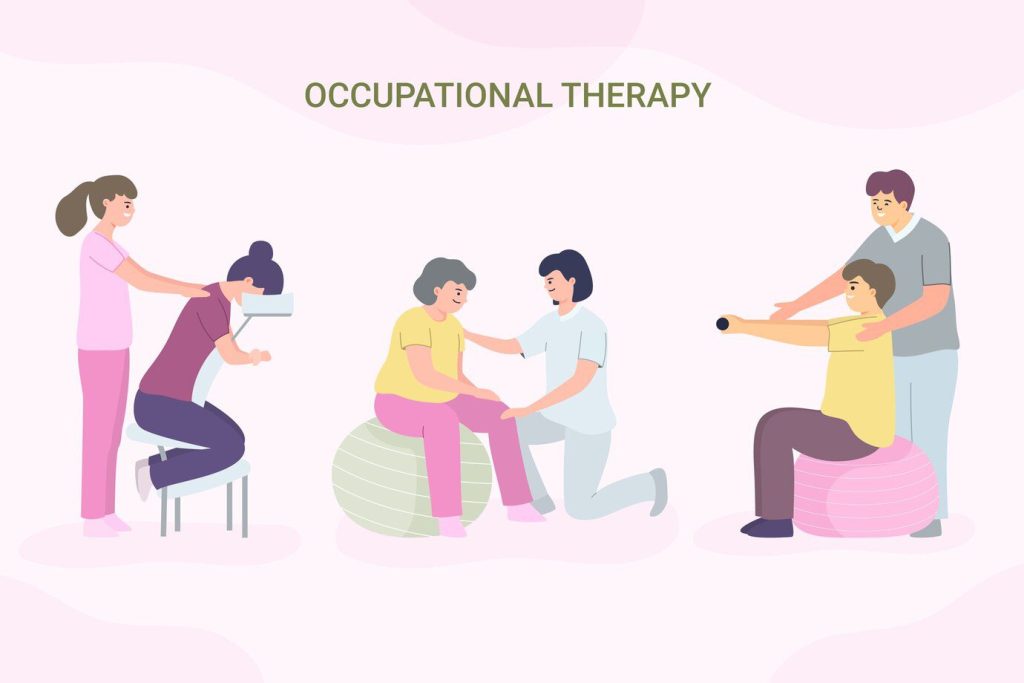
Depression can really drain your vitality, your impetus as well as pleasure from everyday life. The occupational therapy (OT) treatment for depression depends on the utilization of different strategies to support the individuals actively suffering from depressive symptoms and help them with their life management thus feeling their life full of purpose.
Activity Planning
Occupational therapists help clients very thoroughly to plan activities that are of their interest, match their values and are most likely to accomplish their goals. Such activities, also called “occupations”, may be something very simple like personal care or more complex like a hobby or a pursuit related to work. Bringing fun and meaningful activities into the daily life of a person suffering from depression is a way for that person to feel a sense of achievement, contentment and control over his/her life. Occupational therapists guide clients to set achievable goals, decide on the order of tasks, and manage their time efficiently. In this way, a client receives a helping structure and routine which are considered as factors of stability and well being.
Behavioral Activation
Behavioral activation is an essential element of occupational therapy in treating depression. It means helping people to do the activities which give them pleasure and reward, even at times when they lack the desire. Have you ever been curious about the connection between occupational therapy and anxiety disorders? Therapists can tell you. OT for PTSD and other anxiety related disorders is all about empowering individuals to reclaim control and purpose in their everyday lives. Occupational therapists help clients to figure out the activities that can improve their mood and make them feel a greater sense of pleasure and fulfillment. They do this by slowly bringing those enjoyable activities back and keeping track of their impact on the mood and energy levels. Thus, individuals, especially those suffering from depression or anxiety, are able to start breaking the vicious circle of avoidance, low energy, and isolation. This method, which is called behavioral activation, also creates a feeling of mastery and competence, thus helping to elevate self, esteem and confidence over time.
Cognitive-Behavioral Techniques
Occupational therapists provide individuals with cognitive, behavioral techniques that enable them to identify their negative thinking patterns and thus overcome them by forming more adaptive coping skills. Such techniques might involve cognitive restructuring, mindfulness, based interventions, training in problem, solving skills, and assertiveness training. Once we point out and challenge the unhelpful beliefs and automatic thoughts, individuals reframe their vision of the world, regulate their emotions more proficiently, and find new, healthier ways of coping. Possibly you are tired of the thought “how to get Post traumatic stress disorder occupational therapy”. Discover mental health counseling is made up of occupational therapists. These therapists guide and support clients through the process of changing their thinking patterns and behavior, thus enabling them to be in charge of their mental health and well- being.
Social Engagement
Social isolation and loneliness are typical characteristics of depression. They often lead to the worsening of depressive symptoms, and thus, contribute to one feeling of helplessness and hopelessness. Occupational therapists appreciate the vital role played by social connection and support in the recovery of any disorder, thus, they create opportunities for their clients to socially engage and interact in a way that is beneficial to them. Some of these opportunities include: group therapy sessions, community, based support groups, volunteering, or leisure activities with significant others. By encouraging social engagement and connection, occupational therapists not only help the individuals to establish a support network and maintain good interpersonal relationships but also fight the feelings of isolation and loneliness.
Managing Anxiety with Occupational Therapy Techniques
Living with an anxiety disorder can be extremely difficult. Without proper diagnosis and treatment, it can deteriorate into a mentally unsafe condition of the person over time. Occupational therapy interventions for anxiety are mainly about helping the person to relax, be more resilient, and have better coping strategies:
Mindfulness and Relaxation Practices:
Occupational therapy for veterans with PTSD typically involves mindfulness, methods based on these and relaxation exercises so that the individual can alleviate anxiety symptoms and multicultural well- being. An occupational therapist can lead you through a number of mindfulness activities including, deep breathing, relieving tension through the muscles one by one, visualizing a scenic spot, and mindful meditation. Once clients are enabled to shift their concentration towards the here and now and to raise a nonjudgmental awareness of their thoughts, feelings, and sensations, the occupational therapist have effectively given those people the tools to help themselves and raised their power to face the physiological arousal, stress, and the difficult emotions. In the end, people experience a new level of tranquility that is always available to them, and they can use it as they like.
Stress Management:
Depression treatments through occupational therapy include teaching and training in stress reduction techniques to enable individuals to handle better the challenges and uncertainties of life. For example, this could be time management, problem, solving, or assertiveness training. Teaching clients how to identify stressors, prioritize, and manage their responsibilities skillfully, occupational therapists give people the power to handle difficult situations, gain resilience, and keep a feeling of control in their lives. Moreover, occupational therapists assist their clients in acquiring healthy ways to manage the anxiety that may come from certain situations, e. g. positive self, talk, cognitive reframing, and behavioral activation.
Environmental Modifications:
One of the main tactics that the occupational therapist will use for PTSD will be to delve into the clients residential and working environment. The therapist will try to discover elements which may be distressing or triggering the client and thus cause anxiety symptoms. Items like clutter, noise, lighting, and disorderliness may be the part of the problem. Occupational therapists can offer advice to their clients on how to redecorate and arrange the home so that it is a calm, safe, and controlled environment Occupational therapy for PTSD comorbid depression mental disorders aims at interventions of decluttering and organizing personal space, creating a relaxation corner, changing lights and sensory inputs, and forming new habits that give one a predictable and stable life. By turning the house into a haven of relaxation and wellness, occupational therapists help their clients to reduce anxiety triggers and increase their capacity to handle everyday challenges.
Take one step forward by seeking support for depression, anxiety, and PTSD today.
Delving into how occupational therapy can be a part of the solution for depression, anxiety, and PTSD helps us understand the ways of holistic mental health treatment. If you’re looking for ways to get a grip on these disorders and lead a healthier life, therapy can give you a very human, face to face kind of care and tools. Here is a minimum effort starting:
- Make an appointment with no pressure: To get your dialogue started with occupational therapy as a tool against depression, anxiety, and PTSD, contact Uncover Mental Health Counseling. Our empathetic therapists provide a safe and friendly space for you to initiate a conversation about your issues and what results you want to achieve.
- Get in Touch with a NYC Therapist: We have trained therapists in our team that have a specialty in mental health and trauma, informed care. We’ll find you a therapist who can provide personalized assistance that closely fits your unique needs and challenges.
- Start Your Therapy Journey: Along with your therapist, you will figure out how daily activities can be helpful therapy tools to deal with symptoms and become more active. Occupational therapy through simple therapeutic activities like mindfulness exercises, stress management techniques, and setting firm goals can be a source of strength to take back control of your life, develop your resilience, and raise your level of well- being.