Anxiety is a common mental health concern that affects millions of people worldwide, regardless of age. However, many wonder, does anxiety get worse with age? The relationship between anxiety and aging is complex, and understanding it is crucial for those who may be experiencing an intensification of anxiety symptoms as they grow older. In this post, we’ll dive deep into the factors that influence anxiety as we age, explore whether anxiety disorders tend to worsen with age, and provide guidance for managing anxiety in later life.
If you’re wondering what age does anxiety peak or can anxiety get worse with age, you’re not alone. Let’s explore these questions and look at how aging, lifestyle, and mental health can intertwine to impact anxiety.
Understanding Anxiety and Its Impact Across the Lifespan
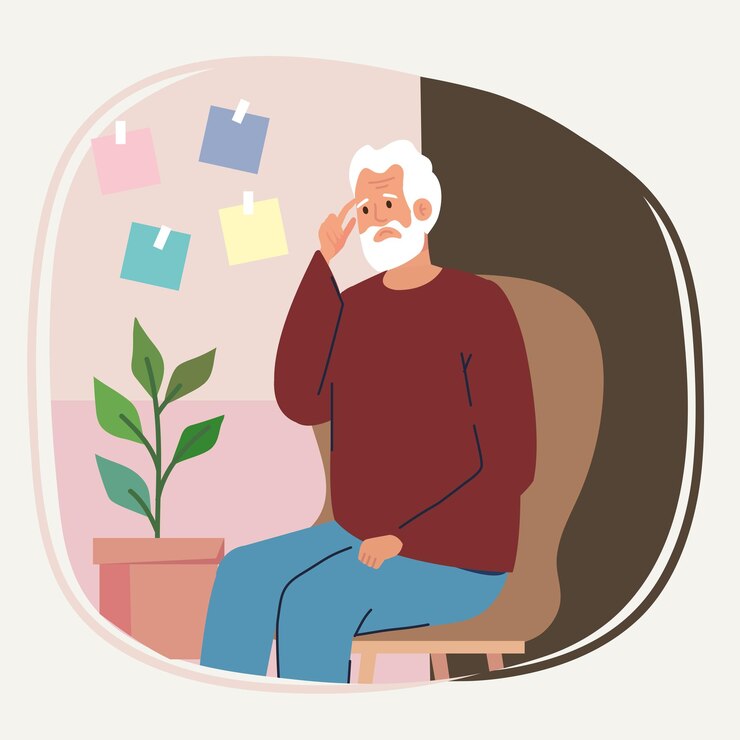
Anxiety is more than just a feeling of nervousness or unease. It’s a persistent condition characterized by excessive worry, fear, or apprehension. While some level of anxiety is normal, particularly in response to challenging situations, it can become debilitating when it interferes with daily life.
There are several types of anxiety disorders, including generalized anxiety disorder (GAD), panic disorder, social anxiety, and specific phobias. Each type can manifest differently, but all are linked by a common thread of heightened worry and fear.
The question of whether does anxiety get worse with age often comes up as people reach different life stages. Understanding the biological, emotional, and social factors at play is essential in answering this question.
Which Age Group Are Most Affected by Anxiety?
Anxiety can affect people of all ages, but it tends to peak at different life stages. Research suggests that anxiety disorders most commonly begin during adolescence and young adulthood, with many individuals experiencing their first symptoms between the ages of 11 and 19. This period is marked by significant emotional, social, and academic challenges, which can contribute to the onset of anxiety.
As individuals transition into middle adulthood (ages 40–59), anxiety often peaks again due to life stressors like raising children, navigating careers, and dealing with financial responsibilities. For older adults, anxiety may become prominent due to health concerns, loss of loved ones, or fear of losing independence.
Each age group has unique stressors that can influence anxiety levels, making it important to tailor treatment approaches to specific life stages. Services like Stress Management NYC and Anxiety Therapy NYC can support individuals through these transitions.
What Is Anxiety About Getting Older?
The fear of aging, also known as gerascophobia, is a common but often overlooked form of anxiety. Anxiety about getting older may stem from concerns about declining health, financial insecurity, loss of independence, or feelings of loneliness. This type of anxiety is often fueled by societal pressures and stereotypes surrounding aging.
For some, the fear of becoming a burden on loved ones or the uncertainty of what lies ahead can exacerbate anxious thoughts. Additionally, older adults may become preoccupied with their mortality, which can lead to existential anxiety.
Therapies like Acceptance and Commitment Therapy (ACT) and Psychodynamic Therapy can help individuals address these fears and develop a more positive outlook on aging. It’s also important to foster connections and engage in activities that bring meaning and joy to life.
What Personality Types Are Prone to Anxiety?
Certain personality traits can make individuals more susceptible to anxiety. While anyone can develop anxiety, people with these personality types may be at greater risk:
- Perfectionists: Individuals who strive for flawlessness and set unrealistic standards often experience anxiety when they fall short of their goals.
- Type A Personalities: Highly competitive, driven, and time-pressured individuals are more likely to experience chronic stress, which can lead to anxiety.
- People-Pleasers: Those who prioritize others’ needs over their own may feel anxious about disappointing others or failing to meet expectations.
- Highly Sensitive Individuals: People who are emotionally reactive life stressors or sensitive to external stimuli may find it harder to manage stress and anxiety.
- Introverts: While not inherently prone to anxiety, introverts may struggle with social anxiety or feel overwhelmed in highly stimulating environments.
Understanding these personality traits can help individuals recognize their vulnerabilities and take proactive steps to manage anxiety. For those needing professional support, services like Self-Esteem Therapy in NYC and Trauma Therapy NYC can provide valuable tools for managing anxiety.
Can Anxiety Get Worse with Age?
As people age, they often experience significant life changes, including retirement, health issues, and shifts in relationships. These changes can affect emotional and mental well-being, but does anxiety disorder get worse with age? The short answer is that for some individuals, yes, anxiety can intensify as they get older. However, this isn’t universally true for everyone.
Several factors contribute to how anxiety evolves throughout the lifespan:
1. Physical Health Decline
As people age, they may experience physical health challenges, such as chronic illness, mobility issues, or cognitive decline. These health concerns can increase anxiety due to the uncertainty surrounding one’s well-being, medical bills, or the loss of independence. For example, conditions like arthritis, heart disease, or dementia may trigger or exacerbate anxiety in older adults.
The fear of death, losing loved ones, and the potential for increased medical needs can also be overwhelming, causing heightened anxiety symptoms. As people grow older, the body’s stress response system changes, and it may become harder for older adults to manage stress in healthy ways.
2. Cognitive Changes and Aging
Age-related cognitive decline can also contribute to an increase in anxiety. As people age, they might notice difficulty concentrating, memory problems, or confusion. These cognitive shifts can cause worry, especially if an individual starts to feel uncertain about their ability to care for themselves or their cognitive health.
In some cases, older adults may experience increased anxiety when they fear developing dementia or Alzheimer’s disease, which can add to their sense of vulnerability.
3. Isolation and Loneliness
As individuals grow older, they may experience social isolation, whether due to physical distance from loved ones, the loss of friends or family members, or mobility issues. This lack of social connection can lead to feelings of loneliness and exacerbate existing anxiety.
Research has shown that loneliness is a risk factor for mental health conditions, including anxiety and depression. Loneliness and isolation can create a cycle where anxiety worsens, leading to further withdrawal from social activities, which in turn increases feelings of loneliness.
4. Financial Concerns and Retirement
The transition into retirement can cause significant anxiety for some individuals. Financial uncertainty, especially related to pensions, savings, or healthcare, is a common concern for older adults. A sudden loss of income or the prospect of living on a fixed income can trigger or exacerbate anxiety, leading to ongoing worry and stress about the future.
Retirement can also lead to a loss of purpose or identity for some people, especially if their sense of self was closely tied to their work. This shift in daily routine and structure can heighten anxiety levels.
5. Increased Responsibility for Family Members
As people age, they may also find themselves in a caregiving role for elderly parents or spouses. The pressure of taking care of loved ones, managing household responsibilities, and balancing personal health needs can contribute to stress and anxiety. The emotional strain of caregiving, particularly if it involves watching a loved one struggle with chronic illness or dementia, can exacerbate anxiety symptoms.
What Age Does Anxiety Peak?
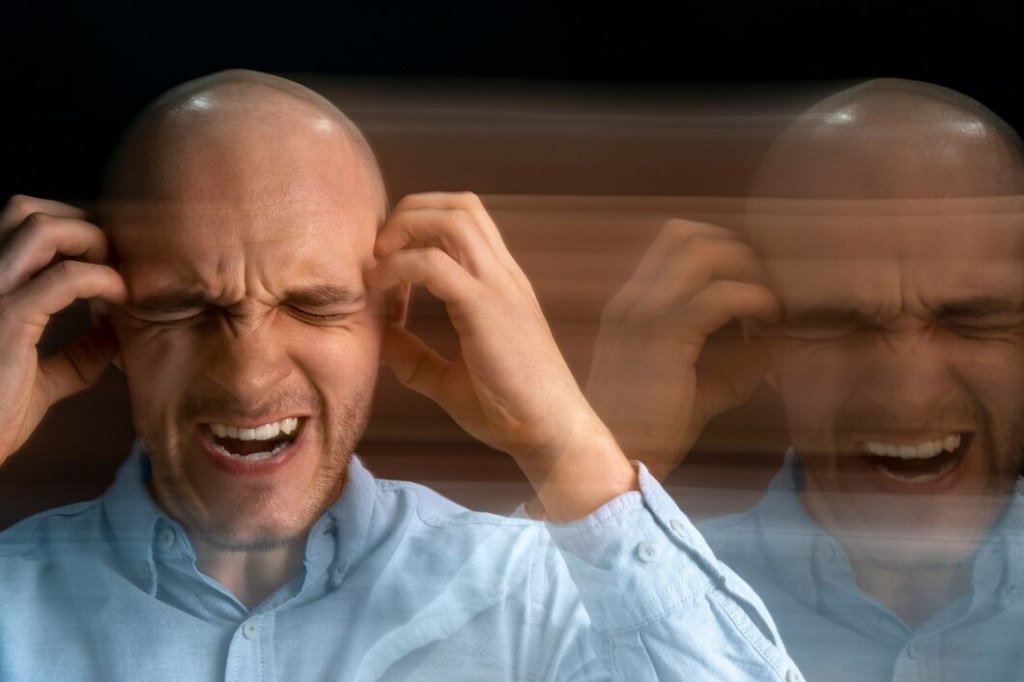
For those wondering what age does anxiety peak, research suggests that anxiety disorders can begin in childhood or adolescence, with the onset typically occurring between the ages of 11 and 19. However, anxiety is not confined to younger people—adults can also experience heightened anxiety as they age.
Studies have shown that anxiety often peaks during middle age (around 40 to 59 years old). During this stage, people may face a variety of stressors, including raising children, dealing with career pressures, or experiencing significant life changes, such as divorce or the loss of a loved one. These stressors can contribute to the intensification of anxiety symptoms.
For some, anxiety symptoms may decrease or stabilize later in life, particularly for individuals who have developed coping mechanisms or who are able to retire comfortably. However, for others, anxiety can worsen with age, especially if compounded by physical health problems, social isolation, or major life transitions.
Does Anxiety Disorder Get Worse with Age?
Does anxiety disorder get worse with age is a nuanced question. While anxiety disorders can become more pronounced as people age, they don’t always worsen for everyone. Some individuals may experience a decrease in anxiety symptoms as they grow older, especially if they engage in therapeutic practices or learn to manage their anxiety more effectively over time.
That said, untreated anxiety disorders can become more debilitating as individuals age, particularly if they don’t have access to mental health resources or support systems. Cognitive decline, physical health issues, and changing life circumstances may contribute to an intensification of anxiety symptoms for some individuals, making it harder to manage the disorder.
Common Anxiety Symptoms in Older Adults
Older adults may experience anxiety differently than younger people, and their symptoms may vary in intensity. Common signs of anxiety in older adults include:
- Restlessness and Irritability: Feeling on edge, easily irritated, or unable to relax.
- Excessive Worry: Overthinking small matters or worrying excessively about health, finances, or the future.
- Physical Symptoms: Anxiety often manifests physically through symptoms such as headaches, muscle tension, dizziness, or difficulty breathing.
- Sleep Disturbances: Trouble falling or staying asleep, often due to racing thoughts or worries.
- Difficulty Concentrating: Struggling to focus or feeling mentally foggy due to anxiety.
Older adults who experience these symptoms should seek professional help to manage their anxiety. If anxiety goes untreated, it can lead to other mental health conditions, such as depression or chronic stress, and negatively impact quality of life.
Coping with Anxiety as You Age
If you are wondering how to manage anxiety as you grow older, several strategies can help reduce symptoms and improve overall well-being:
1. Therapy for Anxiety
Therapy is one of the most effective treatments for anxiety at any age. Cognitive Behavioral Therapy (CBT), in particular, helps individuals identify and challenge negative thought patterns that contribute to anxiety. Through CBT, older adults can learn practical techniques to manage anxiety and replace unhelpful thoughts with healthier, more balanced thinking.
Therapies like Psychodynamic Therapy and Acceptance and Commitment Therapy (ACT) can also be beneficial for those dealing with anxiety. These approaches focus on understanding the root causes of anxiety and teaching mindfulness and acceptance strategies for reducing its impact.
2. Physical Activity and Exercise
Exercise is a natural stress reliever that can significantly reduce anxiety. Regular physical activity helps release endorphins, which are the body’s natural mood boosters. For older adults, engaging in low-impact exercises, such as walking, swimming, or yoga, can help reduce anxiety and improve mental health.
3. Mindfulness and Relaxation Techniques
Mindfulness practices, such as meditation, deep breathing, or progressive muscle relaxation, can help individuals stay grounded and present, reducing anxiety. These techniques teach individuals to focus on the present moment and avoid overthinking or worrying about the future.
4. Social Engagement
Staying socially active and maintaining relationships is crucial for mental health as we age. Socializing with friends, family, or support groups can provide a sense of belonging and reduce feelings of loneliness, which often exacerbate anxiety.
5. Medication for Anxiety
In some cases, medication may be necessary to manage anxiety symptoms. Older adults should consult with their healthcare provider to discuss options, as certain medications may interact with other prescriptions or conditions. Antidepressants, such as SSRIs (Selective Serotonin Reuptake Inhibitors), are often prescribed for anxiety, and benzodiazepines can be used for short-term relief in certain cases.
Managing Anxiety as You Age
In conclusion, the question of does anxiety get worse with age is complex and depends on a variety of factors. While anxiety can become more pronounced due to aging-related challenges, it doesn’t have to worsen with time. By understanding the underlying causes and seeking the right support, older adults can manage anxiety effectively and continue to lead fulfilling lives.
If you’re struggling with anxiety as you age or are noticing it worsening, it’s important to reach out for support. At Uncover Mental Health Counseling, we offer specialized services, including Anxiety Therapy NYC, Therapist for Depression in NYC, and Stress Management NYC, to help you manage anxiety and improve your overall well-being.
For more information on how we can support you, book an appointment today. Our dedicated therapists are here to help you navigate anxiety and live a healthier, more balanced life.