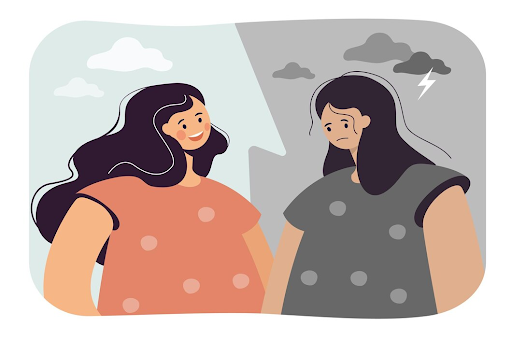
In today’s world, depression is a prevalent mental health condition affecting millions of people. However, the opposite of depression—a life filled with vitality, mental clarity, and emotional resilience—is achievable. Exercise and nutrition play a crucial role in helping individuals create this positive mental state, allowing them to overcome the challenges of depression and live a life marked by happiness and balance.
In this blog, we’ll explore how regular exercise and mindful nutrition can significantly contribute to living the opposite of depressive disorder and why these lifestyle changes are essential for your mental well-being. Additionally, we’ll discuss how Uncover Mental Health Counseling can support you in this transformative journey through online therapy.
What Is the Opposite of Depression?

To understand how exercise and nutrition lead to the opposite of depressive disorder, we must first define what this means. Depression is more than just feeling sad; it is characterized by feelings of hopelessness, fatigue, lack of motivation, and emotional numbness. It can disrupt daily activities, relationships, and overall quality of life. On the contrary, the opposite of depressive disorder is a state of mental, emotional, and physical well-being.
Living the opposite of depression involves:
- Feeling energized and motivated.
- Waking up with a sense of purpose.
- Experiencing joy in everyday tasks.
- Maintaining emotional balance and resilience, even in challenging times.
This state of mental health is achievable by incorporating regular exercise and proper nutrition into your daily routine. These lifestyle changes promote not only physical wellness but also significant improvements in mental health.
The Link Between Depression and Lifestyle Choices
Depression doesn’t occur in isolation—it’s often influenced by various factors such as stress, poor sleep, unhealthy eating habits, and lack of physical activity. Addressing these factors through lifestyle changes, particularly exercise and nutrition, can create theopposite of depressive disorder.
Adopting these habits can help individuals manage symptoms of depression, anxiety, and even seasonal depression. Through online therapy at Uncover Mental Health Counseling, you can receive personalized guidance to build these habits effectively.
How Exercise Can Help
Exercise as a Natural Antidepressant
Exercise is often considered a natural and highly effective antidepressant. Regular physical activity boosts the production of endorphins—chemicals in the brain that help reduce the perception of pain and trigger positive feelings. This effect mimics the benefits of antidepressant drugs, but without the side effects. In fact, numerous studies suggest that exercise can be as effective as medication in alleviating mild to moderate depression.
Research from the National Institutes of Health highlights that individuals who engage in regular physical activity are less likely to develop depression, and those who exercise while experiencing depression often report significant improvements in mood and overall mental health .
By making exercise a regular part of your routine, you can start to experience the opposite of depressive disorder—a state of joy, energy, and emotional stability.
The Science Behind Exercise and Depression
Engaging in physical activity affects the brain in several ways. Exercise increases blood flow to the brain, which enhances cognitive function, memory, and emotional regulation. Additionally, physical activity increases the production of neurotransmitters like serotonin, dopamine, and norepinephrine, which are responsible for maintaining mood stability.
For example, serotonin is a chemical that directly impacts feelings of well-being and happiness. Low serotonin levels are linked to depression, so by increasing serotonin production through exercise, you’re working toward achieving the opposite of depressive disorder.
Types of Exercise That Combat Depression
Different types of exercise can have various effects on your mental health. While all physical activity is beneficial, some forms of exercise are particularly effective for combating depression and promoting a positive mental state.
- Aerobic Exercise: Activities like running, swimming, and cycling help improve mood by increasing your heart rate and oxygen flow to the brain. This type of exercise releases endorphins, often referred to as “feel-good” chemicals.
- Strength Training: Lifting weights or engaging in resistance exercises has been shown to reduce symptoms of anxiety and depression. These activities help build not only physical strength but also emotional resilience.
- Yoga and Mindfulness: Practices that combine movement and mindfulness, such as yoga, are excellent for reducing stress and anxiety. These activities promote relaxation, self-awareness, and emotional balance.
No matter which type of exercise you choose, the key is consistency. Incorporating regular physical activity into your routine is essential for maintaining the opposite of depressive disorder.
How to Build an Exercise Routine
If you’re new to exercise or find it difficult to start, begin with small, manageable goals. For instance, taking a 10-minute walk each day can have a significant impact on your mood. As you build consistency, gradually increase the time and intensity of your workouts. Remember, the goal is not to achieve perfection but to create a sustainable habit that promotes mental well-being.
Uncover Mental Health Counseling offers online therapy that can help you develop an exercise plan tailored to your specific needs. Our therapists work with you to integrate physical activity into your daily routine as part of a holistic approach to mental health care.
The Role of Nutrition
The Connection Between Food and Mood
What you eat significantly impacts how you feel. Nutrient-rich foods are essential for brain health and emotional regulation, while poor dietary habits can contribute to feelings of depression and anxiety. By adopting a balanced diet, you can nourish your brain and body, helping you move closer to the opposite of depressive disorder.
Certain nutrients play a key role in mental health:
- Omega-3 Fatty Acids: Found in fish like salmon and walnuts, omega-3s reduce inflammation and are linked to lower rates of depression.
- Folate and Vitamin B12: Leafy greens, beans, and eggs are rich in these nutrients, which help produce serotonin and dopamine—neurotransmitters essential for regulating mood.
- Probiotics: Fermented foods like yogurt and kimchi support gut health, which is increasingly linked to mental well-being. A healthy gut helps regulate mood and reduce symptoms of depression.
Foods to Include for Optimal Mental Health
To promote a mental state that is theopposite of depressive disorder, include these mood-boosting foods in your diet:
- Fatty Fish: Salmon, mackerel, and sardines are rich in omega-3 fatty acids that help fight inflammation and improve brain function.
- Leafy Greens: Spinach, kale, and arugula are packed with vitamins and minerals essential for mental clarity and emotional stability.
- Berries: Blueberries, strawberries, and blackberries are high in antioxidants that help protect the brain from oxidative stress, which can lead to depression.
- Whole Grains: Oats, quinoa, and brown rice provide steady energy and stabilize blood sugar levels, preventing mood swings and irritability.
By incorporating these foods into your daily meals, you’re taking proactive steps toward living the opposite of depressive disorder.
Foods to Avoid
Just as certain foods can boost your mood, others can contribute to depression and anxiety. Processed foods, refined sugars, and excessive caffeine can lead to mood swings, fatigue, and heightened stress levels. Avoiding these foods is essential for maintaining emotional balance and mental well-being.
How Exercise and Nutrition Work Together

The Synergistic Effects of Exercise and Nutrition
While exercise and nutrition independently contribute to better mental health, combining the two creates a powerful synergy. Regular physical activity helps reduce stress hormones like cortisol, while nutrient-rich foods support brain health and emotional regulation. Together, they work to promote the opposite of depressive disorder by improving energy levels, boosting mood, and enhancing cognitive function.
For example, pairing a morning workout with a nutrient-dense breakfast, such as a smoothie packed with spinach, berries, and chia seeds, can set a positive tone for your day. You’ll feel more energized, focused, and ready to take on life’s challenges with a clear and positive mindset.
Long-Term Benefits of Exercise and Nutrition for Mental Health
Adopting a lifestyle that includes regular exercise and balanced nutrition provides long-term benefits for your mental health. Not only will you experience immediate improvements in mood and energy, but you’ll also build resilience to future stressors and emotional challenges.
Studies show that individuals who maintain a healthy lifestyle are less likely to experience relapses of depression. By making these changes now, you’re investing in your future mental well-being, ensuring that you continue to live the opposite of depressive disorder.
Overcoming Common Barriers to Exercise and Nutrition
Lack of Motivation
For many individuals struggling with depression, lack of motivation can be a significant barrier to building healthy habits. It’s important to recognize that this is a common challenge and doesn’t mean that you’re incapable of change. Start small, celebrate your progress, and seek support when needed.
Uncover Mental Health Counseling offers online therapy to help you overcome these barriers. Our therapists provide personalized support to help you set achievable goals and stay motivated on your journey toward the opposite of depressive disorder.
Seasonal Depression and Lifestyle Adjustments
Seasonal depression, or seasonal affective disorder (SAD), can make it challenging to maintain an exercise and nutrition routine during colder months. However, the opposite of seasonal depression involves staying active and nourished, even when sunlight and warmth are limited.
Indoor activities like yoga, bodyweight exercises, or using a stationary bike can help you stay physically active during the winter. Similarly, preparing warm, nutrient-rich meals like soups with leafy greens and lean proteins can help stabilize your mood.
How Uncover Mental Health Counseling Can Support Your Journey
At Uncover Mental Health Counseling, we believe in a holistic approach to mental health that includes not only traditional therapy but also lifestyle changes like exercise and nutrition. Our online therapy services are designed to support you in creating a life that is the opposite of depression.
Our therapists will work with you to develop a personalized plan that incorporates exercise, nutrition, and therapeutic approaches such as Cognitive Behavioral Therapy (CBT), Dialectical Behavioral Therapy (DBT), and Acceptance and Commitment Therapy (ACT). These evidence-based therapies help address the underlying causes of depression and provide you with the tools to build a healthier, happier life.
Achieving Emotional Wellness with a Therapist for Depression in NYC
Exercise and nutrition are powerful tools that can help you achieve the opposite of depression—a life filled with energy, joy, and emotional balance. By incorporating regular physical activity and mindful eating into your routine, you can significantly improve your mental health and overall quality of life.
At Uncover Mental Health Counseling, we are here to support you every step of the way. Our online therapy services provide personalized guidance and therapeutic approaches to help you create lasting change. If you’re ready to start your journey toward the opposite of depression, book an appointment with us today and take the first step toward a brighter, healthier future.