If you’ve ever wondered, how many strands of hair do you lose a day? You’re not alone. Hair shedding is a common phenomenon, and understanding its connection to stress can provide insights into the health of both your body and mind. Whether you’ve noticed an increase in your hair shedding or you’re simply curious about the reasons behind hair loss, this blog explores how stress affects your hair and what you can do to manage it effectively.
In this article, we’ll look at the normal hair shedding cycle, how stress plays a significant role in disrupting it, and why some people may experience more hair loss than others. We will also explore strategies for managing stress and improving hair health, with helpful tips from professionals in mental health, including services such as anxiety therapy, stress management, and more.
The Hair Shedding Cycle: What’s Normal?
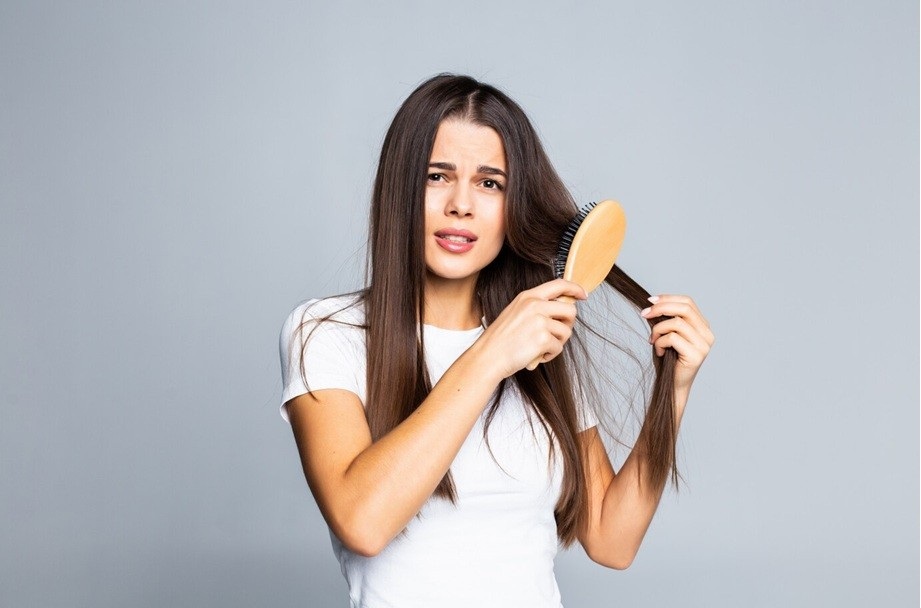
Before we dive into the impact of stress on hair loss, it’s important to understand the hair shedding cycle. This cycle refers to the natural process in which hair grows, rests, and eventually sheds. On average, people lose between 50 to 100 strands of hair a day as part of this cycle, and it is completely normal. However, several factors, including stress, can disrupt this process, leading to more noticeable hair loss.
Hair grows in three stages: anagen (growth), catagen (rest), and telogen (shedding). During the anagen phase, hair is actively growing, and the catagen phase represents a resting period where hair stops growing and detaches from the follicle. The telogen phase is when the hair sheds and falls out, making room for new hair to grow.
When stress enters the equation, it can cause an imbalance in this cycle. Stress is known to push more hair into the telogen phase prematurely, leading to excessive hair loss in a short period. This condition is known as telogen effluvium, a temporary form of hair loss caused by stress or other disruptions in the body’s normal processes.
Does Stress Cause More Hair Shedding?
When we experience stress, our bodies undergo a variety of physical and emotional responses. Stress triggers the release of cortisol, a hormone that plays a significant role in the body’s fight-or-flight reaction. Elevated cortisol levels can interfere with the normal functioning of the hair follicles, causing them to enter the telogen phase prematurely, resulting in increased shedding. This explains why high levels of stress can lead to noticeable hair loss.
In addition to triggering a physical response, stress can also lead to unhealthy habits, such as poor diet, lack of sleep, and neglect of self-care routines, all of which can exacerbate hair shedding. Long-term stress can create a cycle of hair loss that may persist until the underlying stressors are addressed.
Symptoms of Hair Loss Due to Stress
Hair loss caused by stress can manifest in various ways, and recognizing the symptoms early on can help you address the underlying stress before it leads to more significant shedding. One of the most common signs of stress-related hair loss is increased shedding—you may notice more hair than usual in your comb or brush, or find it in your shower drain after washing your hair.
Other symptoms of hair loss due to stress include patchy or uneven hair thinning. In some cases, stress may cause certain areas of the scalp to lose hair more rapidly, leading to bald spots or thinning patches. Telogen effluvium, the condition often triggered by stress, pushes hair follicles into the shedding phase prematurely, resulting in noticeable thinning, especially along the crown or hairline.
Another symptom is brittle or dry hair. As stress takes a toll on your body, it can also affect your hair’s texture, causing it to feel weaker, drier, or more fragile. You may also notice that your hair becomes more difficult to manage, and styling may become challenging as a result of the stress-induced changes in texture.
If you’re experiencing any of these symptoms, it’s crucial to address the root cause of your stress, as managing it can help restore the health of your hair and stop further shedding. Consulting with a healthcare professional can also help you identify other potential causes of hair loss.
Does Hair Grow Back After Falling Out from Stress?
One of the most common questions people have after experiencing stress-related hair loss is whether their hair will grow back. The good news is that, in many cases, hair loss due to stress is not permanent. When hair shedding occurs as a result of stress, it is often a temporary condition known as telogen effluvium. This condition happens when the body’s response to stress forces more hair follicles into the shedding phase of the hair cycle.
The good news is that once the underlying stress is addressed, the hair growth cycle can return to normal, and hair can grow back over time. However, the speed at which hair regrows can vary from person to person. For some, it may take a few months to notice visible regrowth, while for others, it may take longer. In most cases, the hair will regrow naturally without any need for medical intervention, as long as the stress is managed effectively.
If you’re noticing sudden or patchy hair loss, or if you’re losing more hair than usual while combing or washing it, it’s essential to speak with a healthcare provider or dermatologist. They can help determine the cause of your hair loss and guide you toward effective solutions. Managing your stress through therapy or lifestyle changes can also significantly support your hair regrowth journey.
How Many Strands of Hair Do You Lose a Day When Stressed?
On average, the body loses about 50-100 strands of hair a day under normal circumstances. However, if you’re experiencing high levels of stress, this number can significantly increase. Some people may notice that their hair is thinning or falling out in larger quantities, especially when they experience emotional or physical stress.
If you’re wondering, how many strands of hair do you lose a day during stressful periods, you might find that the number exceeds the typical range. In extreme cases, people under chronic stress may lose hundreds of strands daily. This is often temporary, but it can be concerning when it occurs.
It’s also worth noting that the texture of your hair may change as a result of stress. If you notice that your hair is becoming thinner or more brittle, it could be a sign that stress is affecting its health. Stress-related hair loss may also become more noticeable when combing or washing your hair, as you might find more strands than usual on your brush or in the shower.
Does Long Hair Shed More Than Short Hair?
Many people with long hair wonder if they experience more shedding than those with shorter hair. The answer is not entirely straightforward. While long hair can seem to shed more because it’s more visible, hair loss is not necessarily more common in people with longer hair. However, long hair may make hair shedding more noticeable due to the increased length.
Hair shedding is largely determined by the condition of your scalp and the health of your hair follicles. If you’re experiencing stress, the shedding cycle can affect both long and short hair in the same way. However, long hair may take longer to show the effects of shedding, and the strands that fall out are often longer, making the hair loss more noticeable.
How Long Does It Take to Stop Hair Loss from Stress?
Stress is a well-known trigger for hair loss, particularly in the form of telogen effluvium, a condition where hair follicles prematurely enter the shedding phase. While this can lead to noticeable hair loss, the good news is that it is usually not permanent. Once the stress is managed and resolved, the hair growth cycle can return to normal.
Typically, it can take about 6 months for hair to start growing back after the stress has been reduced or eliminated. This timeframe allows your body to recover from the effects of stress and for hair follicles to resume their normal growth patterns. However, the exact length of time can vary from person to person, depending on factors such as the severity of the stress, how long it lasted, and your overall health.
It’s important to note that while the hair may start to regrow after about 6 months, it can take longer for hair to fully return to its previous thickness and volume. If you’re concerned about persistent hair loss or if the shedding continues, it’s advisable to consult a healthcare provider or dermatologist to explore further treatment options. Managing stress through therapy, relaxation, and self-care can significantly help accelerate the recovery process.
The Impact of Chronic Stress on Hair Health
Chronic stress can have a significant impact on both your physical and mental health. When stress persists over a long period, it can create a series of health issues, including hair loss. Chronic stress can also affect your immune system, metabolism, and sleep, all of which play important roles in the health of your hair.
In addition to triggering telogen effluvium, chronic stress can also lead to other forms of hair loss, such as alopecia areata, an autoimmune disorder where the body attacks the hair follicles, causing bald patches to form. The exact connection between stress and alopecia areata is still under research, but many individuals report flare-ups after experiencing stressful events.
Managing Stress to Improve Hair Health

If you’re struggling with hair loss due to stress, the good news is that managing your stress levels can help prevent further shedding and even restore your hair’s health. Here are some strategies that may help:
1. Stress Management Therapy
Learning how to cope with stress is essential for reducing its impact on your health. Working with a stress management therapist in NYC can help you identify the root causes of your stress and teach you practical techniques for managing it. Techniques such as mindfulness, breathing exercises, and relaxation strategies can help lower cortisol levels and reduce the amount of hair loss you experience.
2. Cognitive Behavioral Therapy (CBT)
CBT is a type of therapy that focuses on changing negative thought patterns and behaviors. If your stress is related to anxiety, depression, or trauma, CBT can help you reframe these thoughts, allowing you to respond to stressful situations in a healthier way. CBT can be especially helpful in managing stress that affects your physical health, including hair loss.
3. Therapy for Anxiety and Depression
Anxiety and depression are common emotional responses to chronic stress. If these issues are contributing to your hair shedding, it may be helpful to seek out an anxiety therapist in NYC or a therapist for depression in NYC. By addressing the root causes of your emotional distress, you can improve your mental health and reduce the physical impact of stress on your body, including your hair.
4. Mindfulness and Relaxation Techniques
Incorporating mindfulness practices into your daily routine can help reduce stress levels and promote relaxation. Meditation, yoga, and deep breathing exercises are excellent tools for calming the mind and reducing stress, which can help improve the health of your hair.
5. Support from a Trauma Therapist
For individuals dealing with past trauma, it’s important to address these issues with a qualified trauma therapist in NYC. Trauma can exacerbate stress and lead to long-term health consequences, including hair loss. Therapy can help you process these experiences and learn how to cope with them in a healthy way.
6. Prolonged Exposure Therapy
If you’re dealing with the lingering effects of traumatic stress, Prolonged Exposure Therapy can help. This therapy focuses on gradually exposing individuals to the memories and situations that trigger their anxiety or trauma, helping them process and manage their emotions. Reducing trauma-related stress can have a positive impact on your overall well-being and hair health.
Understanding the Connection Between Stress and Hair Loss
In conclusion, if you’ve been asking how many strands of hair do you lose a day, it’s important to understand that hair shedding is a natural part of the hair cycle. However, stress can significantly impact this process, leading to excessive shedding and thinning hair. Understanding the role of stress in hair health, as well as how to manage it, is crucial for maintaining a healthy scalp and hair.
If you’re experiencing increased hair loss due to stress, seeking help from a mental health professional can make a big difference. Services such as stress management, anxiety therapy, and therapy for depression can help you address the underlying causes of stress and improve your overall health. In addition, treatments like Cognitive Behavioral Therapy, Prolonged Exposure Therapy, and Psychodynamic Therapy can help reduce the impact of stress on your body, including your hair.
For more resources and support, visit us at Uncover Counseling, where we provide services to help individuals manage stress, anxiety, and other mental health concerns that may be affecting their overall well-being. By taking proactive steps to manage stress and prioritize your mental health, you can help reduce the impact of stress on your hair and promote healthier hair growth. Book an appointment today.