
Discover how to be a better person with proven therapy-based strategies. Explore self-improvement tips and expert counseling services in NYC.
In a world that often seems divided, competitive, and stressful, many people are asking themselves: How can I be a better person? Whether it’s to improve your relationships, manage your emotions, or simply become more grounded and fulfilled, the journey of self-improvement is a deeply personal—but entirely possible—pursuit. And it’s one that often benefits from the guidance of mental health professionals and evidence-based treatments.
This comprehensive guide explores how to be a better person using therapeutic tools, personal development practices, and practical steps you can start implementing today. With a focus on mental wellness and emotional intelligence, we’ll cover tips for being a better person, improving your relationships, and enhancing self-awareness—with help from counseling services available right here in New York City.
Why the Desire to Be a Better Person Is Important
The wish to become a better person isn’t about perfection—it’s about progress. It means recognizing areas for growth and taking ownership of your emotional and behavioral patterns. This motivation is a key indicator of emotional maturity and self-awareness.
But for many people, the path forward isn’t always clear. Should you be kinder? More assertive? Less reactive? Should you seek therapy? Let’s begin with a basic framework for growth.
1. Start With Self-Awareness
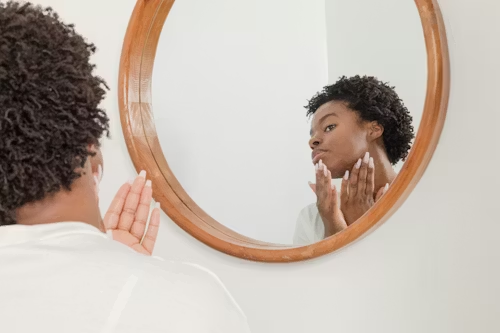
At the heart of personal growth is self-awareness—the ability to see yourself clearly and objectively. This includes your emotional triggers, your communication style, and your impact on others.
A licensed therapist for depression in NYC or an anxiety therapist in NYC can help you identify core beliefs and patterns that may be limiting your ability to grow. This is particularly helpful for people who:
- Struggle with mood swings or emotional regulation
- Experience low self-esteem
- Have difficulty in relationships
- Feel stuck or unsure of themselves
Psychodynamic therapy in NYC is especially useful in uncovering unconscious patterns rooted in childhood or past trauma. Working with a therapist can help you recognize when you’re acting out of habit or defense, rather than true self-awareness.
2. Practice Emotional Regulation
If you’re wondering how to be a better person in a relationship, mastering emotional regulation is critical. Uncontrolled anger, anxiety, or withdrawal can hurt not only you but those around you.
DBT therapists in NYC (Dialectical Behavior Therapy) specialize in helping individuals manage intense emotions. Techniques such as mindfulness, distress tolerance, and emotional validation can help you pause before reacting—leading to healthier communication and stronger connections.
Anger management therapy in NYC can also be incredibly effective for individuals who find themselves lashing out or suppressing emotions until they explode. This therapy teaches how to respond thoughtfully rather than react impulsively.
3. Learn the Power of Empathy
Being a better person often means understanding others on a deeper level. This is especially true in romantic partnerships, friendships, and even at work. Empathy is not just about listening—it’s about actively trying to feel what someone else might be experiencing.
Therapies like Acceptance and Commitment Therapy (ACT) can help you stay grounded in your values, such as compassion and kindness, even when emotions run high. Practicing empathy doesn’t mean becoming a doormat; it means balancing your needs with those of others.
If you’re in a romantic partnership and wondering how to be a better person in a relationship, consider relationship therapy in New York City. Couples counseling offers tools for effective communication, conflict resolution, and mutual understanding.
4. Address Underlying Mental Health Concerns
Sometimes, the barriers to self-improvement are not a lack of motivation but untreated mental health conditions. Depression, anxiety, addiction, and trauma can cloud judgment, erode self-worth, and fuel toxic patterns.
If you’re struggling with substance use or compulsive behaviors, addiction therapy in NYC can provide a structured, supportive environment for recovery. Through individual and group counseling, clients learn healthier coping mechanisms and rebuild a sense of self.
Similarly, if past trauma is holding you back, a trauma therapist in NYC can help you process painful experiences through treatments like Prolonged Exposure Therapy or Cognitive Behavioral Therapy (CBT). These approaches help reframe traumatic memories and reduce avoidance behaviors, leading to long-term healing.
5. Set Healthy Boundaries
Boundaries are not about pushing people away—they’re about protecting your emotional and mental space. Without boundaries, resentment builds, self-respect erodes, and relationships suffer.
Whether you’re a people-pleaser or someone who tends to isolate, learning how to set and maintain boundaries is essential to being a better person. A therapist can guide you in practicing assertive communication and identifying your emotional limits.
Stress management therapy in NYC often incorporates boundary work to help reduce burnout, improve work-life balance, and prioritize self-care.
6. Practice Self-Compassion and Forgiveness
Becoming a better person doesn’t mean never making mistakes. It means learning from them with honesty and grace.
How to be a better person tips often include affirmations and daily gratitude, but self-compassion goes deeper. It’s about acknowledging your flaws without shame and giving yourself permission to grow.
Cognitive Behavioral Therapy (CBT) is a great modality for reframing negative self-talk. It helps challenge the inner critic and replace harsh judgments with balanced, constructive thoughts.
7. Focus on Personal Responsibility
Owning your actions, thoughts, and decisions is a hallmark of personal integrity. This means not blaming others for your emotions or waiting for external circumstances to change.
If you find yourself frequently in conflict or feeling misunderstood, therapy can help you identify how your behavior contributes to patterns in your life. Rational Emotive Behavioral Therapy (REBT) is particularly helpful for challenging irrational beliefs and increasing accountability.
8. Develop a Growth Mindset
According to psychologist Carol Dweck, a growth mindset is the belief that abilities and intelligence can be developed through effort and learning. People with a growth mindset:
A self-esteem therapist in NYC can support you in shifting from a fixed mindset (e.g., “I’m just not good at relationships”) to one where you believe change is possible.
Therapists also help clients understand that failure is not a sign of weakness, but a stepping stone to becoming stronger, more capable, and yes—better.
9. Be Present and Mindful
Many people searching for how to be a better person are simply too distracted to live intentionally. From phone notifications to racing thoughts, our attention is constantly pulled away from the here and now.
Mindfulness practices, such as meditation and breathwork, help anchor you in the present moment. They also improve emotional clarity and reduce impulsivity. Working with a therapist for anxiety in NYC who uses mindfulness-based strategies can help retrain your focus and reduce mental clutter.
10. Surround Yourself with Support
No one becomes a better person in isolation. Whether it’s friends, family, or a professional therapist, having a support system is key to sustainable growth.
If you’re navigating a specific challenge like ADHD, working with an ADHD specialist in NYC can help you develop executive function skills and create a structured plan for personal improvement.
Group therapy and support groups also offer a community of individuals committed to growth and healing, making the journey less lonely and more inspiring.
Final Thoughts: Becoming a Better Person Is a Lifelong Journey
Self-growth isn’t about perfection—it’s about progress, presence, and purpose. Becoming a better person means showing up with honesty, learning from your missteps, and committing to change, even when it’s uncomfortable.
At Uncover Mental Health Counseling in New York City, we’re here to support your journey with evidence-based therapies like CBT, DBT, psychodynamic therapy, and trauma counseling. Whether you’re working on your emotional health, relationships, or sense of purpose, therapy can help turn your intentions into lasting transformation.
You don’t have to grow alone. Book an appointment today and take a meaningful step toward the version of you that feels grounded, connected, and whole.
Ready to Begin Your Journey?
If you’re serious about becoming the best version of yourself, connect with a licensed therapist in New York City today. At [Your Practice Name], we offer personalized counseling services tailored to your unique needs—from anxiety therapy and relationship counseling to stress management and self-esteem support.
Start your transformation today. Because being a better person doesn’t happen overnight—but with the right help, it does happen.
Frequently Asked Questions About How to Be a Better Person
1. What does it really mean to be a better person?
Being a better person means striving to improve your thoughts, behaviors, and interactions with others. It involves becoming more self-aware, emotionally intelligent, empathetic, and intentional in how you live. It doesn’t require perfection—it’s about progress, humility, and the desire to grow.
2. How can therapy help me become a better person?
Therapy offers a safe and structured environment to explore your behavior, mindset, and emotional responses. Working with a therapist—such as a self-esteem therapist in NYC, anxiety therapist, or trauma specialist—can help you uncover unhealthy patterns, set goals for change, and develop healthier coping strategies that align with your values.
3. What are the first steps I can take to start being a better person?
Start by practicing mindfulness and self-reflection. Acknowledge your flaws without shame, identify areas where you want to grow, and consider seeking support. Reading, journaling, and setting small, intentional goals can help. For deeper transformation, working with a therapist is often the most effective path forward.
4. How to be a better person in a relationship?
To be a better person in a relationship, focus on communication, empathy, and emotional regulation. Avoid blame, take responsibility for your actions, and practice active listening. Relationship therapy in New York City can help you and your partner learn to navigate conflict, build trust, and grow together.
5. Can someone with anger issues become a better person?
Absolutely. Anger is a natural emotion, but how you manage it matters. Anger management therapy in NYC can teach you how to identify triggers, calm your nervous system, and respond constructively. Learning to manage anger effectively is a major step in becoming a healthier, more compassionate individual.
6. Are there specific therapies that focus on helping people grow emotionally?
Yes. Psychodynamic therapy, Cognitive Behavioral Therapy (CBT), Dialectical Behavior Therapy (DBT), and Acceptance and Commitment Therapy (ACT) all aim to help people understand their emotions, reframe unhelpful thoughts, and develop emotional intelligence. Each approach can support your journey toward personal growth and emotional maturity.
7. What are some simple how to be a better person tips I can use daily?
Here are a few quick tips:
- Practice daily gratitude
- Pause before reacting
- Listen more than you speak
- Set and respect boundaries
- Apologize when you’re wrong
- Reflect on your day and adjust
- Show compassion to yourself and others
These daily practices may seem small, but over time, they can create profound changes in how you relate to yourself and the world.
8. Is wanting to be a better person a sign of low self-esteem?
Not necessarily. Wanting to be better often reflects high self-awareness and a growth mindset. However, if your desire stems from shame or a belief that you’re inherently flawed, working with a self-esteem therapist in NYC can help distinguish healthy motivation from self-criticism.
9. Can ADHD affect my ability to be a better person?
Living with ADHD can make it harder to regulate emotions, maintain relationships, or follow through on goals—but it doesn’t make you a bad person. Working with an ADHD specialist in NYC can help you manage symptoms and build systems that support your growth.
10. How do I stay consistent on my journey to being a better person?
Consistency comes from creating sustainable habits, staying connected to your values, and having accountability. Therapy, journaling, support groups, and even apps that track habits or emotional wellness can help. Most importantly, be patient with yourself and treat setbacks as opportunities to learn—not as failures.
This FAQ section not only boosts the total word count but also reinforces your SEO keywords: how to be a better person, being a better person, how to be a better person in a relationship, and how to be a better person tips, while naturally referencing the counseling services and therapy treatments offered in NYC.