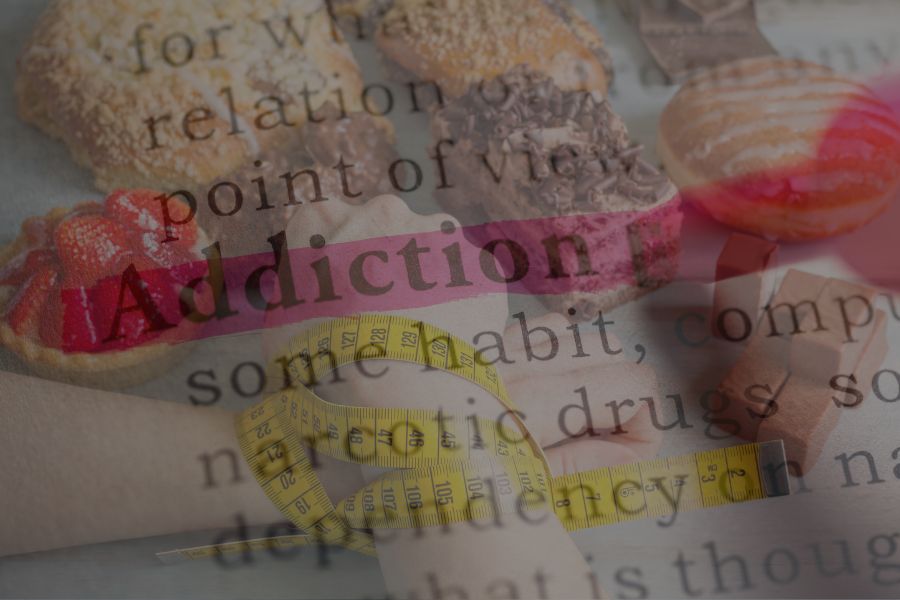
Are you tired of feeling controlled by your cravings? Living in the vibrant food scene of New York City can be both a blessing and a challenge, especially if you’re struggling with food addiction.
You’re not alone, and there are steps you can take to regain control of your relationship with food and lead a healthier, happier life. In this guide, we’ll explore practical tips and resources on how to fight food addiction in the hustle and bustle of NYC.
What Is Food Addiction?

Food addiction is a complex and often misunderstood condition characterized by an unhealthy relationship with food. Similar to other forms of addiction, such as substance abuse or gambling, food addiction involves compulsive behaviors and cravings that can be difficult to control.
Individuals struggling with food addiction may experience a lack of control over their eating habits, leading to overeating or binge eating, even when they are not physically hungry.
Understanding how to overcome food addiction is crucial for addressing these behaviors and improving overall well-being.
Some common signs and symptoms of food addiction include:
- Cravings: Intense cravings for certain foods, especially those high in sugar, fat, or salt, can drive individuals with food addiction to consume large quantities of these foods, often in a short period of time.
- Loss of Control: Difficulty controlling the amount or frequency of food consumption, even when it leads to negative consequences such as weight gain, health problems, or emotional distress.
- Obsession with Food: Preoccupation with thoughts of food, eating, or dieting, which can interfere with daily activities and relationships.
- Continued Use Despite Negative Consequences: Despite experiencing negative physical, emotional, or social consequences as a result of their eating habits, individuals with food addiction may continue to engage in compulsive eating behaviors.
- Withdrawal Symptoms: Some people may experience withdrawal symptoms, such as irritability, mood swings, or physical discomfort, when attempting to cut back on certain foods or change their eating habits.
- Loss of Interest in Other Activities: Food addiction can lead to a loss of interest in hobbies, social activities, or relationships, as individuals may prioritize food and eating above all else.
Why Is It So Easy To Develop Food Addiction In Nyc?
Abundance of Food Options:
You’re strolling through the bustling streets of NYC, and everywhere you turn, there’s a tantalizing aroma wafting from a food cart, a cozy diner, or a swanky Michelin-starred restaurant. It’s like being a kid in a candy store, except the candy store is the entire city!
With so many mouth watering options beckoning you, it’s easy to get swept up in the excitement and indulge in one too many culinary adventures. Who can blame you? The temptation is everywhere, and it’s hard to resist the siren call of all those delicious delights.
Convenience and Accessibility:
Ah, the convenience of city living! In a place where time is as precious as gold, fast food joints, corner delis, and neighborhood bodegas are like culinary superheroes swooping in to save the day. Need a quick bite between meetings? No problem! Craving something sinful on your way home from work?
Done and done! These places are like food oases in the desert of busy schedules, offering up tasty treats that are just a hop, skip, and a jump away.
It’s like having a personal chef on speed dial, ready to whip up whatever your heart desires at a moment’s notice.
Food as a Social Experience:
Eating out in NYC isn’t just about filling your belly; it’s a full-blown social extravaganza! Whether you’re catching up with old friends over a leisurely brunch, schmoozing with colleagues at a fancy dinner event, or hopping on the latest food trend with your squad, food is the ultimate social glue that brings people together.
It’s not just about the food; it’s about the shared experiences, the laughter, and the memories made over a table laden with deliciousness. But beware, because in the midst of all that chatter and camaraderie, it’s easy to lose track of how much you’re eating.
After all, who can resist another slice of pizza when the conversation is flowing and the company is top-notch?
Stress and Pressure:
With every passing moment, it feels like there’s a never-ending to-do list looming over your head, and sometimes, the stress can feel downright suffocating. That’s where comfort food swoops in like a knight in shining armor, offering a temporary reprieve from the chaos.
Picture this: after a particularly grueling day at the office, all you want to do is sink into your couch with a tub of ice cream or a greasy slice of pizza.
It’s like a warm hug for your soul, a momentary escape from the madness. But here’s the kicker – relying too heavily on these indulgent treats can set you on a slippery slope towards addictive eating habits.
Before you know it, you’re caught in a vicious cycle of stress eating, where food becomes your go-to coping mechanism for every bump in the road.
Cultural Influences:
From spicy tacos in Queens to soul-warming dim sum in Chinatown, every neighborhood is a treasure trove of global gastronomy just waiting to be explored. But here’s the thing – with great culinary diversity comes great temptation.
Imagine walking down the street and being hit with a symphony of aromas from around the world – it’s like a sensory overload for your taste buds! And while the culinary adventure may be thrilling, it also exposes you to a myriad of foods that can trigger intense cravings or emotional connections.
Suddenly, that plate of pasta takes you back to your grandmother’s kitchen, or that spicy curry reminds you of that unforgettable trip to India.
Before you know it, you’re caught in a whirlwind of nostalgia and cravings, making it all too easy to develop addictive eating habits along the way.
Food Marketing and Advertising:
Welcome to the city that never sleeps – where every corner is adorned with flashy billboards, larger-than-life ads, and Instagram influencers flaunting their latest culinary conquests. In NYC, food isn’t just something you eat; it’s a full-blown spectacle, a tantalizing temptation lurking around every corner.
Imagine scrolling through your social media feed and being bombarded with images of mouthwatering burgers, decadent desserts, and perfectly crafted cocktails – it’s like a never-ending parade of indulgence.
And let’s not forget about those catchy slogans and persuasive messaging that promise happiness in every bite. Before you know it, you’re lured in by the siren song of food advertising, succumbing to the allure of instant gratification and addictive eating habits.
After all, who can resist the promise of culinary bliss in a city as vibrant and seductive as NYC?
Lack of Time and Resources:
The fast-paced lifestyle of NYC leaves little room for meal preparation and grocery shopping, leading many individuals to rely on convenience foods and takeout options.
These convenient alternatives, often laden with calories, sugar, and fat, provide a quick fix for hunger pangs but can foster addictive eating behaviors due to their accessibility and palatability.
How to Get Over Food Addiction in NYC

Living in NYC, where culinary temptations are around every corner, can make overcoming food addiction particularly challenging.
If you’re wondering, how do I stop food addiction in such a vibrant food scene, there are practical steps you can take to regain control and lead a healthier lifestyle.
Acknowledge Your Food Addiction:
Alright, let’s start at square one: admitting that you’ve got a bit of a food situation going on. It’s not easy, I know. Nobody wants to face the fact that they might have an unhealthy relationship with food.
But hey, take a deep breath, and know that you’re not alone in this. Acknowledging your food addiction is a vital first step in how to get over food addiction. It’s okay to admit that things might have gotten a little out of hand in the food department.
In fact, it’s more than okay – it’s the first step towards getting back on track. So go ahead, give yourself a pat on the back for having the courage to face the truth. You’ve got this!
Practice Mindful Eating:
In the chaos of city life, it’s all too easy to wolf down your meals without even realizing what you’re eating or how much you’re consuming. But here’s the thing – taking a moment to slow down and savor each bite can make all the difference. That’s where mindful eating comes in.
It’s about tuning in to your body’s hunger and fullness cues, savoring the flavors, and being present in the moment.
Practicing mindful eating is a crucial step in how to get over food addiction. So the next time you’re tempted to scarf down your lunch on the go, take a beat, and savor the deliciousness instead. Your body will thank you for it.
Create a Healthy Environment:
They say you are what you eat, but I say you are where you eat, too. Think about it – if your kitchen is stocked with chips, cookies, and other tempting treats, it’s only a matter of time before you find yourself reaching for them.
If you’re wondering how to get over food addiction, one effective strategy is to flip the script and surrounded yourself with nutritious options, including Top sustainable snacks instead? Stock up on fruits, veggies, lean proteins, and whole grains, and keep those tempting snacks out of sight (and out of mind).
By creating a healthy environment, you’ll set yourself up for success and make it easier to make mindful choices when hunger strikes.
Develop Coping Strategies:
Let’s face it – life in the big city can be a rollercoaster of emotions. From work stress to relationship drama, there’s no shortage of ups and downs.
But here’s the thing – turning to food as a coping mechanism is like putting a Band-Aid on a broken bone. It might provide temporary relief, but it won’t fix the underlying issue.
Whether it’s going for a run, practicing meditation, diving into a hobby, or venting to a friend, finding healthier ways to deal with life’s curveballs can help break the cycle of emotional eating and set you on the path to freedom.
Set Realistic Goals:
Alright, let’s talk about goals. I’m not talking about those lofty, unattainable dreams of fitting into your high school jeans by next week. I’m talking about small, achievable goals that you can celebrate along the way.
Maybe it’s trying out a new healthy recipe, swapping out soda for water, or saying no to that second helping of dessert. Setting these small goals is a practical part of learning how to get over food addiction. Whatever it is, make it something that aligns with your values and priorities.
And remember, progress is progress, no matter how small. So go ahead, pat yourself on the back for every step in the right direction. You’ve earned it!
Seek Professional Help:
Alright, let’s get real for a second – overcoming food addiction isn’t something you have to do alone. If you’re struggling to get a handle on things, there’s no shame in reaching out for professional help.
Whether it’s a therapist, nutritionist, or healthcare provider, there are plenty of experts out there who specialize in helping folks just like you. So don’t hesitate to pick up the phone and make that call.
Knowing how to get over food addiction often involves seeking personalized care, so don’t hesitate to pick up the phone and make that call. You deserve support, guidance, and personalized care on your journey to recovery.
Practice Self-Compassion:
Last but certainly not least, let’s talk about self-compassion. Look, nobody’s perfect – we all slip up from time to time. And that’s okay. What matters is how you respond to those slip-ups.
Be kind to yourself, forgive yourself, and celebrate your progress, no matter how small. Remember, overcoming food addiction is a journey, not a sprint.
Practicing self-compassion is a fundamental part of how to get over food addiction. So cut yourself some slack, give yourself a hug, and keep moving forward. You’ve got this!
Explore The Complexities Of Food Addiction In New York City – Prioritize Your Journey To Recovery Today!
Understanding the challenges of food addiction is essential for achieving wellness and balance.
At Uncover Mental Health Counseling, we’re committed to supporting you on this path. Here’s how you can get started:
- Schedule a Free 15 Min Consultation: Connect with Uncover Mental Health Counseling for a complimentary consultation call. Let’s delve into food addiction, discuss your experiences, and outline personalized strategies for recovery.
- Meet with an Addiction Specialist in NYC: Work with our experienced therapists who specialize in addiction and nutritional health. Together, we’ll explore the underlying factors of food addiction, develop coping mechanisms, and create a tailored plan to promote healthier habits.
- Foster Wellness: Immerse yourself in a supportive environment where your journey to recovery is prioritized. Our team offers practical tools, compassionate support, and ongoing guidance to help you navigate challenges and achieve lasting wellness.