Are you or your loved ones struggling with shyness? It’s more common than you might think, affecting both children and adults alike. But the good news is, shyness doesn’t have to hold you back.
With the right approach and mindset, you can unlock your confidence and thrive in social situations.
In this blog post, we’ll explore practical tips and strategies to help you or your child overcome shyness and embrace a more fulfilling life.
Understanding Shyness
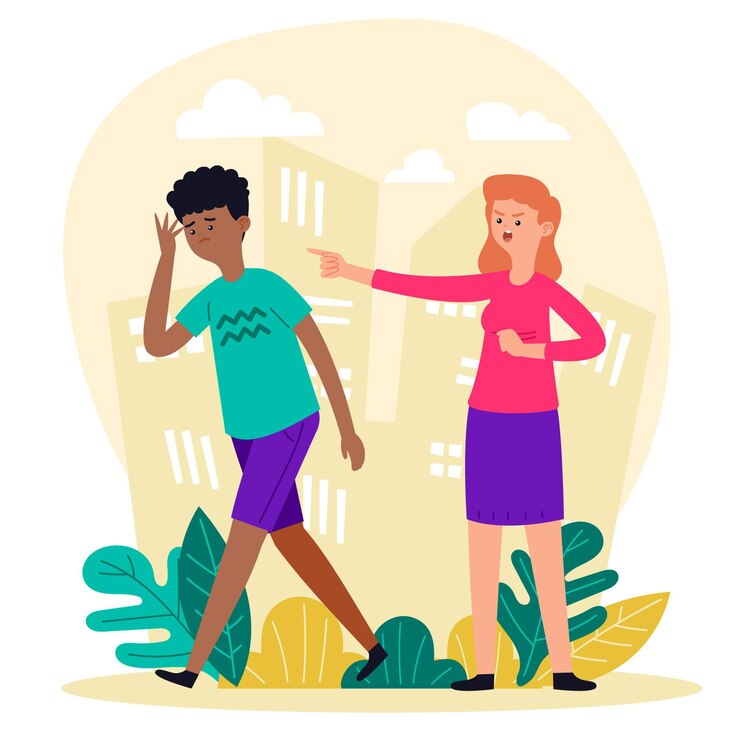
First, let’s take a moment to understand what shyness is all about. Shyness is often characterized by feelings of apprehension, self-consciousness, and discomfort in social situations.
It can manifest as avoidance of social interactions, difficulty speaking up, and a tendency to withdraw from others.
In children, shyness is a common phase of development, especially during early childhood and adolescence.
It can be triggered by new environments, unfamiliar faces, or a lack of confidence in social skills. For adults, shyness may stem from past experiences, low self-esteem, or fear of judgment.
Regardless of age, shyness can have a significant impact on various aspects of life, including relationships, career opportunities, and overall well-being.
But the good news is that shyness is not a fixed trait – it’s something that can be overcome with time and effort.
8 Tips for Overcoming Shyness in Child and Adults
Struggling with shyness in children & adults can be challenging, but it’s not insurmountable. Here are 8 effective tips to help both kids and adults overcome shyness and build confidence in social situations.
- Start Small: Often, the idea of socializing can feel overwhelming, especially for someone who is naturally shy. Starting small means taking gradual steps outside your comfort zone.
It could be as simple as smiling at a stranger, initiating a brief conversation with a neighbor, or asking a colleague about their weekend plans.
These small interactions may seem insignificant, but they serve as stepping stones towards building confidence in social situations. - Practice Positive Self-Talk: Our thoughts have a powerful impact on our feelings and behavior. For someone struggling with shyness, negative self-talk can be particularly detrimental.
Instead of dwelling on perceived shortcomings or potential pitfalls, challenge negative thoughts with positive affirmations.
Remind yourself of your strengths, achievements, and past successes. By shifting your focus to the positive aspects of yourself, you can gradually rewire your brain for confidence and self-assurance. - Set Realistic Goals: Setting goals gives you a sense of direction and purpose. When it comes to overcoming shyness in children & adults, it’s essential to set realistic and achievable goals for yourself.
This could involve attending a social event, joining a club or group, or participating in a team activity. Break down large goals into smaller, manageable steps to prevent feeling overwhelmed.
Celebrate each milestone along the way, no matter how small, as it signifies progress towards overcoming shyness. - Develop Social Skills: Social skills are like any other skill – they improve with practice. Building social skills involves honing your communication abilities, active listening, and empathy.
- Take opportunities to engage in conversations with others, whether it’s with friends, family, or acquaintances.
Pay attention to nonverbal cues, maintain eye contact, and show genuine interest in what others have to say. Remember, every social interaction is an opportunity for learning and growth.
If you often think, “My child is smart but socially awkward,” these steps can help them become more comfortable and confident in social situations. - Seek Support: It’s okay to ask for help when you need it. Don’t hesitate to reach out to friends, family members, or a mental health professional for support.
Talking about your feelings and experiences can provide valuable insights and encouragement.
Surround yourself with supportive individuals who uplift and encourage you on your journey to overcoming shyness in children & adults. - Embrace Rejection: Rejection is an inevitable part of life, and learning to cope with it is essential for personal growth. Instead of fearing rejection, see it as a natural aspect of the human experience.
Every rejection or setback is an opportunity to learn and grow stronger. Embrace rejection as a stepping stone towards success, rather than allowing it to hold you back. - Focus on the Present: Shyness often stems from worrying about past mistakes or future outcomes. To overcome this, practice mindfulness techniques to bring your focus back to the present moment.
Deep breathing exercises, meditation, and grounding techniques can help calm your nerves and improve your presence in social situations.
By staying grounded in the present, you can reduce anxiety and enhance your ability to engage with others authentically, which is beneficial for shyness in children & adults. - Celebrate Progress: Lastly, don’t forget to celebrate your progress along the way.
Overcoming shyness in children & adults is a journey, not a destination, and every step forward is worth acknowledging and celebrating.
Whether it’s initiating a conversation with a stranger or attending a social event alone, each achievement signifies your resilience and determination.
Take pride in how far you’ve come and use it as motivation to continue pushing yourself out of your comfort zone.
How To Help A Shy Child?
Helping a shy child navigate the social world with confidence requires patience, understanding, and support. Here are some tips for parents and caregivers on how to help a shy child:
- Create a Safe and Supportive Environment: Provide a nurturing and non-judgmental environment where your child feels accepted and valued.
Encourage open communication and let them know that it’s okay to express their feelings and concerns.
shyness in children & adults can often be alleviated when they feel secure and understood at home. - Respect Their Boundaries: Respect your child’s boundaries and avoid pushing them into social situations before they’re ready.
Allow them to take small steps at their own pace, and offer gentle encouragement and support along the way.
This respect helps shyness in children & adults be managed more effectively. - Lead by Example: Children often learn by observing the behavior of adults.
Model confident and assertive behavior in social situations, but also demonstrate empathy and understanding towards others.
Show your child that it’s okay to feel nervous or shy sometimes, but that they can still participate and engage with others. - Encourage Socialization: Provide opportunities for your child to socialize with peers in a low-pressure environment.
Arrange playdates, enroll them in group activities or clubs that align with their interests, and encourage participation in school or community events.
These experiences can help build social skills and confidence over time. - Practice Social Skills: Help your child develop essential social skills such as greeting others, making eye contact, and engaging in conversation.
Role-play different social scenarios with them and provide feedback and guidance on appropriate behavior. - Celebrate Their Strengths: Focus on your child’s strengths and encourage them to pursue activities that they enjoy and excel in.
Building confidence in areas where they feel competent can help offset feelings of shyness in other areas.
This approach is especially effective for a shy teen, as it can help them develop a positive self-image and reduce social anxiety. - Offer Reassurance and Support: Be a source of reassurance and support for your child when they’re feeling anxious or unsure.
Encourage them to talk about their feelings and offer validation and encouragement.
Let them know that it’s okay to make mistakes and that you’re there to support them no matter what.
Overcoming Shyness in Children and Adults – Empowerment and Confidence Building Starts Now!
Understanding how to overcome shyness in children & adults is key to fostering confidence and social skills in both children and adults. At Uncover Mental Health Counseling, we are dedicated to addressing this challenge. Here’s how you can take the first steps:
- Schedule a Free 15 Min Consultation: Connect with Uncover Mental Health Counseling for a complimentary consultation call. Let’s explore the roots of shyness, discuss its impacts across different ages, and uncover effective strategies for building confidence.
- Expert Guidance from a Licensed NYC Therapist: Work with our experienced mental health counselors in NYC who specialize in overcoming shyness and social anxiety. Together, we’ll delve into the causes of shyness, explore its effects on personal growth, and develop tailored approaches to enhance social skills and self-assurance.
- Build a Supportive Environment: Immerse yourself in a supportive atmosphere where overcoming shyness is approached with empathy and encouragement. Our team provides practical tools, educational resources, and ongoing support to empower individuals of all ages in overcoming shyness and thriving socially.