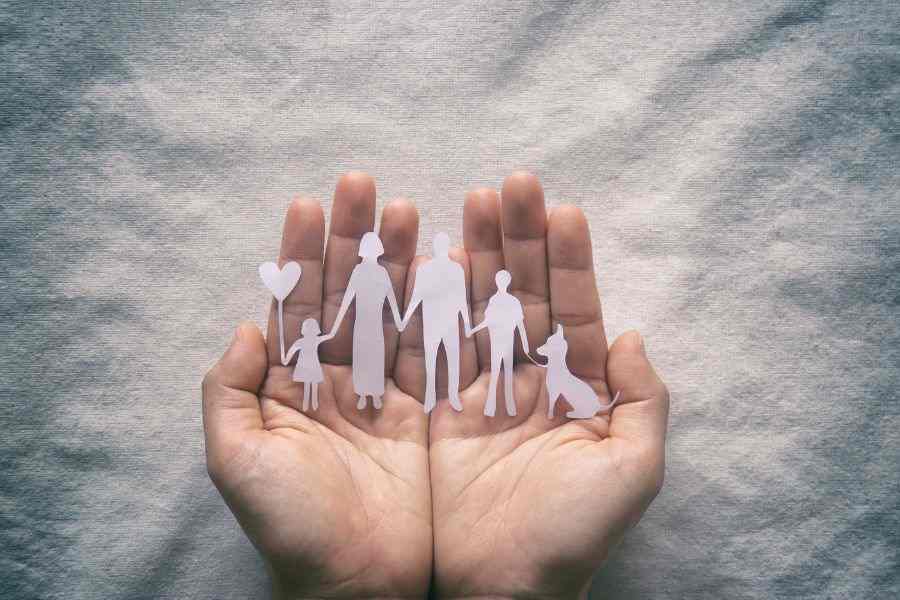
In the tangled mess of human relationships, family violence is like a dark cloud that hangs over everything, leaving scars that run deep. It’s something we can’t ignore, because its effects stretch way beyond just the surface.
So, let’s dig in and really understand how it messes with our heads and hearts. Let’s dive into the messy world of family violence and mental health and see how it screws with our mental well-being.
Understanding Family Violence
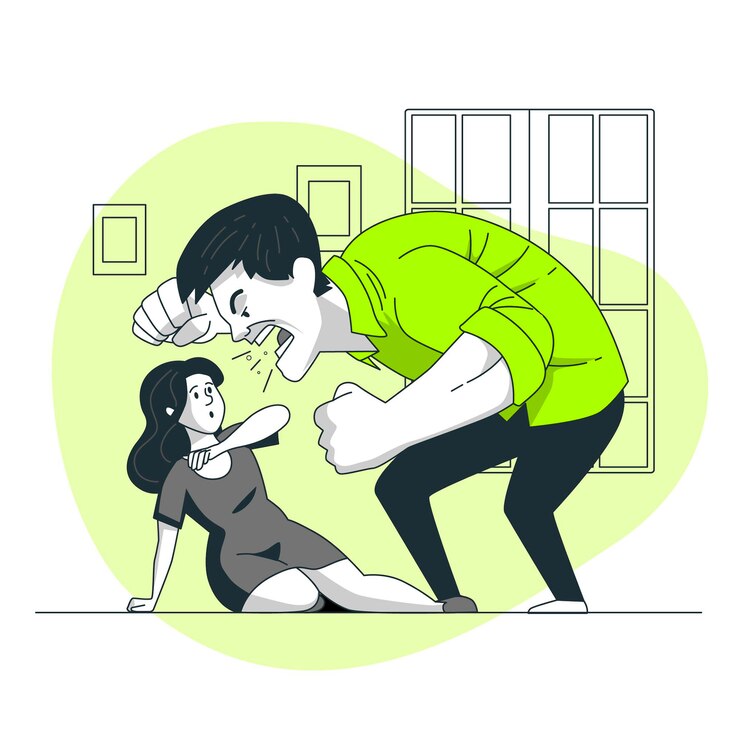
Family violence isn’t just a black-and-white issue; it’s a whole tangled mess of gray areas. It’s not just about the obvious stuff like punches and slaps – although that’s definitely part of it. It’s also about the sneaky ways someone can mess with your head, making you doubt yourself or feel worthless.
It’s about controlling every aspect of your life, from your finances to who you can talk to. And let’s not forget about the silent treatment or turning a blind eye when you’re in need – those are forms of violence too, even if they don’t leave physical scars.
And here’s the kicker: it doesn’t matter if you’re living in a mansion or a one-bedroom apartment, if you’re CEO or a janitor, if you’re straight or LGBTQ+, family violence can find its way into your life. It’s a problem that doesn’t discriminate – it’ll mess with anyone who’s unlucky enough to cross its path.
In the context of domestic relations, family violence can disrupt and damage the foundational dynamics of relationships, leading to severe emotional and psychological consequences.
So, when we talk about family violence, we’re not just talking about one thing. We’re talking about a whole messy web of behaviors that tear families apart and leave lasting scars on everyone involved.
The connection between domestic violence and mental health is critical to understand, as the trauma inflicted by such violence has profound and far-reaching impacts on mental well-being.
And that’s why it’s so important to shine a light on this issue and start having some real conversations about how to stop it.
The Mental Health Implications of Family Violence
The impact of domestic abuse on mental health goes way beyond just feeling sad or scared. It’s like dropping a rock in a pond – the ripples spread out and touch everything. Survivors of family violence can find themselves in a real mess, dealing with all sorts of emotional and psychological stuff:
- Anxiety and Fear: When you’re constantly on edge, waiting for the next blow to fall, it messes with your head big time. Threats, intimidation, and violence become your everyday reality, chipping away at your sense of safety and security.
- Depression: It’s like being stuck in a dark tunnel with no way out. Prolonged abuse can make you feel worthless, like you don’t matter at all. It sucks all the joy out of life, leaving you feeling empty and hopeless.
- Post-Traumatic Stress Disorder (PTSD): Imagine living through your worst nightmare over and over again. That’s what it’s like for survivors of family violence. Whether it’s physical assault or just witnessing violence, the memories haunt you day and night, triggering flashbacks, nightmares, and a constant state of hyper-alertness.
- Low Self-Esteem and Self-Blame: It’s hard not to believe the lies when you hear them every single day. Victims of mental health domestic violence often start to believe that they deserve the abuse, that they’re somehow to blame for what’s happening to them. It’s a toxic cycle that feeds on itself, leaving you feeling worthless and ashamed.
- Social Isolation: Ever feel like you’re all alone in the world, even when you’re surrounded by people? That’s what it’s like for survivors of family violence. Perpetrators use all sorts of tricks to cut you off from the people who care about you, leaving you feeling isolated and lonely.
Understanding the relationship between family violence and mental health is crucial in addressing these profound impacts. The mental health challenges faced by survivors are deeply intertwined with their experiences of violence, reinforcing the need for targeted support and intervention.
How Family Violence Perpetuates Mental Health Challenges
The relationship between family violence and mental health isn’t just a one-way street – it’s more like a twisted knot that’s hard to unravel. On one hand, family violence can make existing mental health problems even worse.
But on the other hand, struggling with mental health issues can also leave you more vulnerable to abuse. It’s like a vicious cycle that just keeps feeding into itself, fueled by a bunch of different factors:
Trauma Bonding:
Ever heard of Stockholm syndrome? It’s kind of like that. Victims of family violence can end up feeling weirdly attached to their abusers, even though they know they should get the heck out of there.
It’s like your brain gets all mixed up, making it super hard to break free from the cycle of abuse.
Learned Helplessness:
Imagine feeling like you’re stuck in quicksand, sinking deeper and deeper with every struggle. That’s what it’s like for survivors of family violence.
After a while, you start to believe that there’s nothing you can do to change your situation, so you just give up trying. It’s a crappy way to live, feeling like you have no control over your own life.
Coping Mechanisms:
When life gets to be too much, sometimes you’ll do whatever it takes to make the pain go away – even if it’s not the healthiest choice.
Survivors of mental health domestic violence might turn to stuff like booze or drugs or hurting themselves as a way to cope with all the messed-up stuff they’re dealing with.
It’s not a great solution, but when you’re drowning, you’ll grab onto whatever’s nearby to stay afloat.
Intergenerational Transmission:
Ever notice how stuff tends to run in families? Yeah, that’s true for family violence too. Kids who grow up seeing their parents beat the crap out of each other are way more likely to end up doing the same thing when they grow up.
It’s like the cycle just keeps repeating itself, passing down all that messed-up stuff from one generation to the next.
The cycle of abuse and its impact on mental health highlights the critical need to address the family violence and mental health connection comprehensively.
How to Recover From Family Violence
Even in the face of seemingly insurmountable challenges like family violence, there’s always a glimmer of hope shining through.
By tackling the root causes head-on, building up resilience, and offering unwavering support to survivors, we can pave a path toward healing and empowerment. Here are some key strategies to light the way:
- Access to Support Services: Imagine having a lifeline to grab onto when you’re drowning – that’s what comprehensive support services can be for survivors of family violence. From counseling and shelters to legal advocacy and crisis hotlines, these resources offer a way out of the darkness and into a brighter future.
Addressing the family violence and mental health connection through these services ensures that survivors receive the necessary support for both their emotional and psychological recovery. - Trauma-Informed Care: Picture walking into a room where everyone just gets it – where they understand what you’ve been through and are there to help you heal, not judge you for it. That’s the power of trauma-informed care. By creating safe and supportive environments within mental health and social service settings, survivors can finally feel seen, heard, and understood.
- Prevention and Education: It’s time to shine a spotlight on the stuff that nobody wants to talk about – like how messed up it is to hurt the people you’re supposed to love. By raising awareness, challenging societal norms that brush family violence under the rug, and teaching folks about healthy relationships, we can stop the cycle of abuse before it even starts.
- Empowerment and Advocacy: When you’ve been beaten down for so long, it’s easy to feel like you’ll never be able to stand up again. But guess what? You’re stronger than you think, and there are people out there who are ready to fight alongside you.
By empowering survivors to speak out, demand change, and take back control of their lives, we can break the chains of violence and create a world where everyone feels safe and valued. Advocacy efforts that address the intersection of family violence and mental health are crucial for driving systemic change and ensuring that survivors receive the support they need to reclaim their lives.
Gain Insight Into How Family Violence Affects Mental Health – Prioritize Understanding And Healing Today!
Understanding the connection between family violence and mental health is crucial for fostering healing and resilience. At Uncover Mental Health Counseling, we’re dedicated to guiding you through this exploration. Here’s how you can start:
- Schedule a Free 15 Min Consultation: Connect with Uncover Mental Health Counseling for a complimentary consultation call. Let’s explore how family violence impacts mental well-being, discuss your experiences, and develop personalized strategies for support and recovery.
- NYC Trauma Expert Guidance: Work with our experienced therapists specializing in trauma and family dynamics. Together, we’ll examine the effects of family violence, explore coping strategies, and create a personalized plan to promote healing and empowerment.
- Foster Strength: Immerse yourself in a nurturing environment where your journey towards understanding and healing is respected. Our team offers compassionate guidance, practical tools, and therapeutic techniques to help you navigate challenges and build emotional resilience.