
As parents, guardians, or caregivers, it’s natural to be concerned about the well-being of teenagers. Adolescence is a time of rapid change, both physically and emotionally.
Amidst this whirlwind of growth, it’s important to be vigilant about signs of mental health issues, including schizophrenia. While schizophrenia typically manifests in early adulthood, there are signs that may appear during the teenage years.
Understanding these signs can facilitate early intervention and support for teenagers experiencing symptoms of schizophrenia.
What is Schizophrenia?
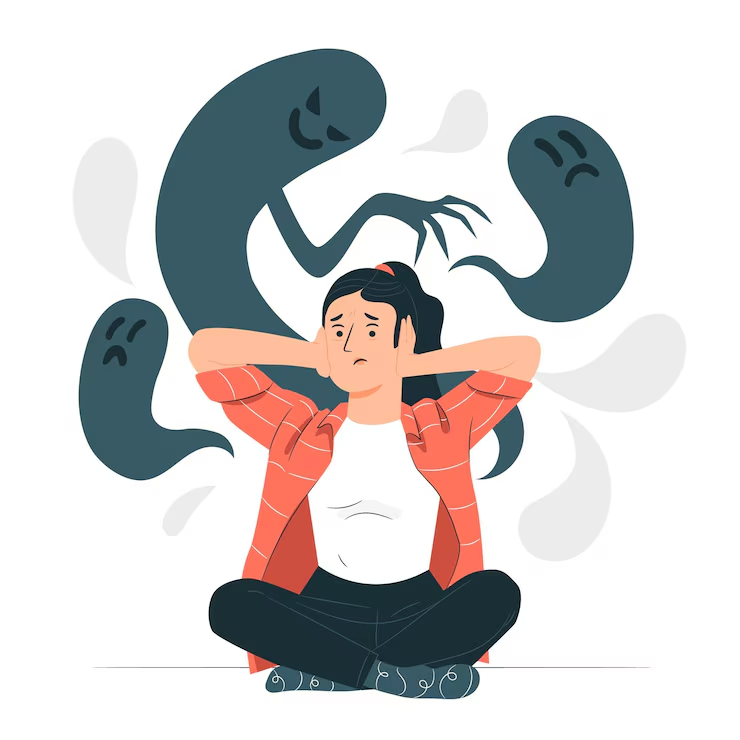
Schizophrenia is a complex mental health disorder characterized by a range of symptoms, including hallucinations, delusions, disorganized thinking, and impaired social functioning.
It can profoundly impact an individual’s perception of reality and ability to engage in daily activities. While the exact cause of schizophrenia is not fully understood, a combination of genetic, environmental, and neurobiological factors is believed to contribute to its development.
Early Signs of Schizophrenia in Teenagers
Social Withdrawal:
Adolescence is often characterized by social exploration and interaction. However, early signs of schizophrenia in teenagers may include gradually withdrawing from these social activities. They might no longer engage in hobbies or pastimes they once enjoyed.
Instead, they may opt to spend increasing amounts of time alone, avoiding social gatherings or family events.
This withdrawal can stem from a combination of factors, including discomfort in social situations, paranoia, or the onset of hallucinations that make social interactions overwhelming or distressing.
Decline in Academic Performance:
School is a crucial environment for teenagers, providing structure, socialization, and intellectual stimulation.
Therefore, a sudden decline in academic performance can raise concerns. Early signs of schizophrenia in teenagers may include finding it challenging to concentrate in class, leading to a decrease in grades.
Their ability to organize thoughts and follow instructions might diminish, impacting their overall academic achievement.
This decline is not indicative of laziness or lack of effort but rather reflects the cognitive challenges associated with schizophrenia.
Unusual Beliefs or Behaviors:
Parents and caregivers should be attuned to any shifts in their teenager’s beliefs or behaviors. These changes can be among the early signs of schizophrenia in teenagers.
For example, teens may start to exhibit unusual thoughts or ideas that seem disconnected from reality, such as paranoid beliefs that they are being watched or persecuted.
Additionally, their speech patterns may become disjointed or nonsensical, making it difficult for others to understand them.
They might also describe experiencing sensations or perceptions that others cannot comprehend, such as hearing voices or seeing things that aren’t there.
Changes in Mood or Emotional Expression:
Adolescence is a time of emotional volatility, but significant fluctuations in mood or emotional expression may signal underlying mental health concerns.
As early signs of schizophrenia in teenagers emerge, they may display intense and unexplained emotions, such as fear, anxiety, or agitation.
These emotions may surface without apparent cause or trigger, leaving both the teenager and their caregivers bewildered.
Conversely, they may also exhibit a blunted affect, appearing emotionally flat or unresponsive to stimuli that would typically evoke a reaction.
Difficulty Sleeping:
Sleep disturbances are common among individuals with schizophrenia and can appear as early signs of schizophrenia in teenagers.
Teens experiencing early signs of schizophrenia may struggle with insomnia, finding it challenging to fall or stay asleep.
Conversely, some may oversleep, spending excessive amounts of time in bed but still feeling fatigued upon waking.
These sleep disturbances can exacerbate other symptoms of schizophrenia, such as cognitive impairment and emotional instability, further impacting their overall well-being.
Strange Sensory Experiences:
Hallucinations are a hallmark symptom of schizophrenia and can manifest in various sensory modalities. Teens experiencing early signs of schizophrenia may report auditory hallucinations, hearing voices that others cannot hear.
These voices may offer commentary, engage in conversation, or issue commands, causing significant distress and confusion.
Additionally, they may experience visual hallucinations, seeing objects, people, or creatures that aren’t present in reality.
These sensory experiences can further contribute to social withdrawal and isolation as teens struggle to make sense of their perceptions.
Lack of Personal Hygiene:
Self-care habits, such as personal hygiene and grooming, can serve as indicators of an individual’s mental and emotional well-being.
A lack of personal hygiene can be one of the early signs of schizophrenia in teenagers. They may neglect basic self-care routines, appearing disheveled or unkempt, and may fail to bathe, brush their teeth, or change their clothes regularly.
This decline in personal hygiene reflects a broader impairment in their ability to engage in activities of daily living and may indicate underlying mental health concerns that require attention and intervention.
10 Ways to Cope with Early Signs of Schizophrenia in Teenagers

If you recognize any of these schizophrenia symptoms in teens,, it’s important to take proactive steps to ensure they receive the support and assistance they need. Here’s what you can do:
- Seek Professional Help: Schedule an appointment with a qualified mental health professional, such as a psychiatrist or psychologist, who specializes in adolescent mental health.
They can conduct a comprehensive evaluation to determine if the symptoms are indicative of schizophrenia or another mental health condition. - Open Communication: Approach the teenager with compassion and empathy. Encourage open dialogue about their thoughts, feelings, and experiences.
Let them know that you are there to support them and that seeking help is a positive step towards feeling better. - Educate Yourself: Learn more about schizophrenia and its symptoms. Understanding the condition can help you provide informed support and guidance to the teenager.
Additionally, educate other family members and caregivers about schizophrenia to create a supportive environment. - Encourage Treatment Compliance: If a diagnosis of schizophrenia is confirmed, work with the mental health professional to develop a treatment plan tailored to the teenager’s needs.
This may include medication, therapy, and support services. Encourage the teenager to adhere to their treatment plan and attend scheduled appointments. - Create a Supportive Environment: Foster a supportive and understanding environment at home. Encourage healthy habits, such as regular exercise, nutritious meals, and adequate sleep.
Maintain open lines of communication and be available to listen to the teenager’s concerns without judgment. - Explore Support Groups: Consider connecting with local support groups or online communities for individuals living with schizophrenia and their families.
Sharing experiences and coping strategies with others who understand can provide valuable support and encouragement. - Monitor Progress: Keep track of the teenager’s symptoms and progress over time. Communicate regularly with their mental health care team and adjust the treatment plan as needed.
Celebrate small victories and milestones along the journey towards recovery. - Take Care of Yourself: Supporting a schizophrenia teenager can be emotionally challenging. Remember to prioritize your own self-care and seek support from friends, family, or a therapist if needed.
Taking care of yourself enables you to better support the teenager in their recovery journey.
Recognizing Early Signs of Schizophrenia in Teens – Prioritize Awareness and Support Today!
Understanding the early signs of schizophrenia in teenagers is crucial for timely intervention and support. At Uncover Mental Health Counseling, we are committed to addressing this important issue. Here’s how you can get started:
- Schedule a Free 15 Min Consultation: Reach out to Uncover Mental Health Counseling for a complimentary consultation call. Let’s delve into the early signs of schizophrenia in teens, discuss their effects, and explore strategies for early detection and intervention.
- Expert Insight from a NYC Teen Specialist: Collaborate with our skilled counselors who specialize in adolescent mental health and early psychosis detection. Together, we’ll identify potential signs of schizophrenia, understand their impact on teens and their families, and develop proactive approaches for support and treatment.
- Provide Support: Engage in a nurturing environment where early signs of schizophrenia are met with understanding and action. Our team offers practical tools, educational resources, and ongoing support to empower teens, families, and educators in recognizing and addressing schizophrenia symptoms early on.