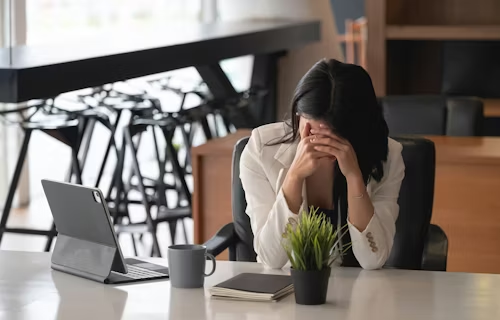
Anxiety is something we all experience at one point or another. But did you know that not all anxiety is the same? While some forms of anxiety, such as Generalized Anxiety Disorder (GAD), persist regardless of the situation, others are more context-specific. Situational anxiety, as the name suggests, arises in response to specific stressors, such as public speaking, job interviews, or large social gatherings.
If you’ve ever felt your heart race before giving a big presentation or your palms sweat during a first date, you’ve experienced situational anxiety. Unlike more pervasive anxiety disorders, this type of anxiety tends to dissipate once the situation has passed. However, that doesn’t mean it’s any less distressing when it happens. This blog will explore what situational anxiety is, its triggers, common symptoms, and most importantly, how to overcome it.
What is Situational Anxiety?

Situational anxiety refers to temporary feelings of fear or nervousness that occur in specific situations, typically those that involve performance, social interactions, or significant life changes. It’s a form of anxiety that is directly tied to certain events or conditions, and it often manifests with intense emotional and physical responses.
How is Situational Anxiety Different from Generalized Anxiety Disorder?
Many people wonder, which of the following is not an anxiety disorder? The answer is situational anxiety. Unlike Generalized Anxiety Disorder (GAD), which involves constant worry and stress regardless of external circumstances, situational anxiety is a temporary response to particular situations. Once the stressor is removed, the symptoms of situational anxiety often dissipate.
In contrast, those with GAD may worry excessively about various aspects of their lives, such as work, health, relationships, or finances, without any specific trigger. While situational anxiety is typically short-lived, it can be just as intense as more generalized forms of anxiety, making it critical to address.
Symptoms of Situational Anxiety
The symptoms of situational anxiety can vary depending on the individual and the specific situation they are facing. However, some of the most common symptoms include:
- Physical symptoms: Increased heart rate, sweating, trembling, dizziness, shortness of breath, and nausea.
- Emotional symptoms: Feelings of dread, fear, panic, or nervousness.
- Cognitive symptoms: Difficulty concentrating, negative thoughts, or catastrophic thinking (e.g., “I’m going to fail,” “Everyone will laugh at me”).
- Behavioral signs: Avoiding the triggering situation altogether, such as skipping a social event or declining to speak in public.
These symptoms typically appear when the individual is confronted with the stressful situation and fade once it has passed. However, in some cases, the anticipation of the event can cause just as much anxiety as the event itself.
Common Triggers for Situational Anxiety
Situational anxiety can be triggered by a wide range of circumstances, depending on the individual’s personality, experiences, and comfort levels. Let’s take a closer look at some of the most common triggers.
Work-Related Stressors
The workplace is one of the most frequent sources of situational anxiety. Many people experience anxiety around:
- Public speaking: Presenting in front of colleagues or clients.
- Deadlines: Tight work schedules that cause stress and fear of failure.
- Job interviews: The pressure to make a good impression in a high-stakes situation.
- Leadership roles: Being responsible for important decisions or managing teams can also create anxiety, especially when things don’t go as planned.
For individuals dealing with chronic work stress, anxiety therapy is often a helpful solution. Therapy can teach professionals how to manage their stress levels and improve their performance in challenging work environments.
Social Anxiety Triggers
Social interactions can also be a significant trigger for situational anxiety. Some individuals experience intense nervousness in situations where they have to:
- Meet new people: For those who struggle with self-esteem issues, socializing with strangers can be a daunting experience.
- Attend large gatherings: Parties, weddings, or conferences can cause anxiety, particularly for those who feel overwhelmed in crowded or noisy environments.
- Speak in public: Whether it’s giving a toast at a wedding or speaking up in a meeting, many people feel anxious about being the center of attention.
While situational anxiety in social settings is common, ongoing issues may indicate a deeper social anxiety disorder, which can be addressed through relationship therapy or self-esteem counseling.
Major Life Changes
Significant transitions in life, such as moving to a new city, starting a new job, or going through a divorce, can also trigger situational anxiety. These types of events often come with a lot of uncertainty, and for some individuals, the fear of the unknown can lead to feelings of anxiety and stress.
For example:
- Relocation: Moving to a new city can feel overwhelming, especially when it involves adjusting to a new job, home, or social circle.
- Divorce or breakups: These life-altering events can bring feelings of sadness, stress, and fear of being alone.
- Financial stress: Losing a job or facing significant financial hardship can create anxiety around the uncertainty of the future.
In such cases, working with a therapist who specializes in stress management or relationship therapy can help individuals process their emotions and develop strategies for coping with change.
Other Triggers
Other potential triggers for situational anxiety include:
- Health concerns: Waiting for medical test results or facing a serious diagnosis.
- Financial problems: Managing debt or facing financial instability.
- Family stress: Ongoing family issues, such as conflict with a partner, parents, or children, can lead to heightened anxiety.
People experiencing these triggers may benefit from therapies such as anger management, addiction counseling, or therapist for depression, which can address underlying emotional challenges.
How to Treat and Overcome Situational Anxiety

While situational anxiety is typically short-term, it can be distressing enough to interfere with daily life. Fortunately, there are a variety of therapeutic approaches and strategies that can help individuals manage and overcome their anxiety.
Cognitive Behavioral Therapy (CBT)
One of the most widely used treatments for situational anxiety is Cognitive Behavioral Therapy (CBT). CBT helps individuals identify the negative thought patterns and beliefs that contribute to their anxiety and teaches them how to replace those thoughts with more balanced, realistic ones.
For example, someone who is anxious about public speaking might believe, “If I make a mistake, everyone will think I’m incompetent.” Through CBT, they would learn to challenge that thought and replace it with something more rational, such as, “Everyone makes mistakes, and it’s unlikely anyone will remember.”
CBT is highly effective because it provides practical tools for managing situational anxiety in real-time. Over time, individuals can learn to control their anxiety and develop healthier responses to triggering situations.
Dialectical Behavioral Therapy (DBT)
Dialectical Behavioral Therapy (DBT) is another effective approach for individuals who experience intense emotional responses in specific situations. Originally developed to treat Borderline Personality Disorder (BPD), DBT has since been adapted to treat various forms of anxiety.
DBT focuses on four key areas:
- Mindfulness: Staying present in the moment and observing thoughts without judgment.
- Distress tolerance: Developing skills to tolerate discomfort in stressful situations.
- Emotional regulation: Learning to control and manage intense emotions.
- Interpersonal effectiveness: Improving communication and relationship skills.
For those with situational anxiety, DBT can be especially helpful in managing overwhelming emotions, such as fear, panic, or anger, during anxiety-inducing events.
Acceptance and Commitment Therapy (ACT)
While CBT and DBT focus on changing thoughts and behaviors, Acceptance and Commitment Therapy (ACT) takes a different approach. Instead of trying to eliminate anxiety, ACT encourages individuals to accept their anxiety and move forward with their lives regardless of it.
ACT emphasizes:
- Mindfulness practices: Being aware of and accepting anxious feelings without trying to control them.
- Values-based living: Committing to actions that align with personal values, even when anxiety is present.
- Cognitive defusion: Learning to separate from anxious thoughts and view them as temporary experiences, not reflections of reality.
ACT is particularly useful for individuals who feel stuck in their anxiety. By accepting that anxiety is a natural part of life, people can learn to live more fully, even in the face of difficult emotions.
Psychodynamic Therapy
For those whose situational anxiety may stem from unresolved emotional conflicts or past trauma, Psychodynamic Therapy can be a valuable tool. This type of therapy focuses on exploring unconscious thoughts and feelings that may be driving anxiety symptoms.
Psychodynamic therapy aims to uncover hidden patterns of behavior and emotional responses that developed early in life. By bringing these patterns to light, individuals can gain a deeper understanding of their anxiety and begin to make positive changes.
While psychodynamic therapy is often more long-term than other therapeutic approaches, it can provide lasting relief for those dealing with complex emotional issues related to situational anxiety.
Prolonged Exposure Therapy (PE)
For individuals whose situational anxiety is rooted in past trauma, Prolonged Exposure Therapy (PE) can be an effective treatment. PE is a form of Cognitive Behavioral Therapy (CBT) that helps individuals gradually confront and process traumatic memories in a safe, controlled environment.
Through repeated exposure to the trauma, either through imagery or real-life situations, individuals can reduce the intensity of their anxiety and regain control over their lives. PE is particularly useful for those with Post-Traumatic Stress Disorder (PTSD) or those whose situational anxiety is triggered by reminders of past traumatic events.
Situational Anxiety Medication
In some cases, situational anxiety medication may be necessary to help manage symptoms, especially when anxiety is severe or disabling. Medications can provide short-term relief from the physical and emotional symptoms of anxiety, allowing individuals to function more effectively in stressful situations.
Some common medications prescribed for situational anxiety include:
- Beta-blockers: These medications help reduce physical symptoms of anxiety, such as a racing heart, trembling, or sweating. They are often prescribed for performance-related anxiety, such as public speaking or job interviews.
- Benzodiazepines: While effective for short-term relief of anxiety, benzodiazepines are typically prescribed with caution due to their potential for addiction and dependency.
- Antidepressants: In some cases, antidepressants like selective serotonin reuptake inhibitors (SSRIs) or serotonin-norepinephrine reuptake inhibitors (SNRIs) may be prescribed to manage anxiety symptoms.
It’s important to note that medication should be used in conjunction with therapy for long-term management of situational anxiety. While medication can provide temporary relief, therapy offers the tools and strategies necessary to address the root causes of anxiety and prevent future episodes.
Coping Strategies for Situational Anxiety
In addition to therapy and medication, there are several self-help strategies individuals can use to manage situational anxiety in their daily lives. These techniques can help reduce anxiety in the moment and prevent it from escalating.
Mindfulness and Relaxation Techniques
Practicing mindfulness and relaxation techniques can help calm the body’s stress response and bring attention to the present moment. Some effective techniques include:
- Deep breathing: Taking slow, deep breaths can activate the body’s relaxation response and reduce symptoms like rapid heartbeat or shortness of breath.
- Progressive muscle relaxation: This involves tensing and relaxing different muscle groups in the body, which can help reduce physical tension associated with anxiety.
- Guided imagery: Visualizing a calming scene or place can help distract from anxious thoughts and create a sense of peace and relaxation.
Mindfulness exercises are particularly helpful for those who experience situational anxiety in high-stress environments, such as work or social settings. By staying grounded in the present moment, individuals can prevent their anxiety from spiraling out of control.
Healthy Lifestyle Habits
Maintaining a healthy lifestyle can also play a significant role in managing situational anxiety. Some key habits include:
- Regular exercise: Physical activity can help reduce stress and anxiety by releasing endorphins, the body’s natural mood enhancers.
- Balanced diet: Eating a nutritious diet that includes plenty of fruits, vegetables, whole grains, and lean proteins can help stabilize blood sugar levels and improve mood.
- Adequate sleep: Getting enough rest is essential for managing anxiety. Lack of sleep can exacerbate anxiety symptoms and make it harder to cope with stress.
By taking care of their physical health, individuals can build resilience to anxiety and improve their overall well-being.
Building a Support Network
Having a strong support system is crucial for managing situational anxiety. Whether it’s friends, family, or a therapist, having someone to talk to when anxiety strikes can provide comfort and reassurance.
For those who prefer professional support, online therapy can be a convenient and effective option. Uncover Mental Health Counseling offers comprehensive online therapy services, including anxiety therapy, anger management, relationship therapy, and therapist for depression. These services allow individuals to connect with licensed therapists from the comfort of their own homes, making it easier to access support when it’s needed most.
When to Seek Professional Help for Situational Anxiety
While many people can manage situational anxiety on their own, there are times when professional help is necessary. If anxiety starts to interfere with daily functioning—such as affecting job performance, relationships, or overall quality of life—it may be time to seek therapy.
At Uncover Mental Health Counseling, we specialize in helping individuals overcome situational anxiety and regain control over their lives. Our online therapy services are designed to meet the unique needs of each client, offering personalized support and evidence-based treatments.
Take the First Step to Overcome Situational Anxiety Today
If situational anxiety is preventing you from living your life to the fullest, it’s time to take action. With the right combination of therapy, coping strategies, and support, you can overcome the challenges associated with situational anxiety and build a more fulfilling life.
Whether you’re dealing with anxiety at work, in social settings, or during major life transitions, our team of experienced therapists at Uncover Mental Health Counseling is here to help. Don’t let anxiety hold you back—Book an appointment today and start your journey toward healing and self-confidence.