Tattoos have always been a way of expressing oneself, an act of defiance, or a means of demonstrating skill. However, in recent times, a larger group of individuals has started to look at tattoos as more than just beauty enhancers. They are considering them as icons of their personal growth, emotional healing, and support. This is the case of tattoos for mental health — the movement that combines the artist’s qualities and the person’s inner strength, providing the individual with a public way of sharing their story and being a part of the recovery process.
Through this blog, we will show you the relationships that exist among tattoos, mental health recovery, and awareness raising, as well as their role as deeply personal symbols of the human spirit’s power. If your emotional journey is in need of support, check out Uncover Mental Health Counseling and get your online therapy in New York City.
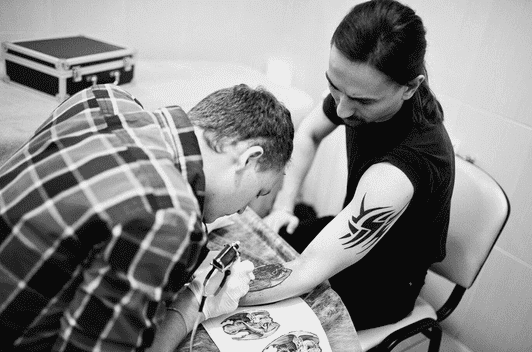
The Power Behind Mental Health Tattoos
Regarding mental health, tattoos are a powerful way to mark a personal journey and symbolise a battle won, or still being fought.
For anyone who has been affected by anxiety, depression, trauma, or recovery a mental health tattoo may serve as a reminder that they’re not alone, that they’ve come through a challenging period, and that they’ll always be fighting. Milestones in the recovery process can be marked with a mental health-related tattoo to provide a sense of closure and celebrate an emotional period in one’s life.
Coming from a completely different angle, mental health tattoos can also be about raising awareness and providing support. When they’re used to mark a loved one, mental health condition such as bipolar disorder, PTSD or ADHD they kickstart conversations and dispel stereotypes that remain about mental health.
Why People Choose Meaningful Tattoos for Mental Health
Concerning mental health, the process of getting a tattoo is intensely personal, and has nothing to do with being weak. People who choose to get a mental health related tattoo are doing so for a valid reason, and that’s to immortalise a very personal journey that has a meaning for them, often one of survival, growth and change.
Well-known symbols such as semicolons, lotus flowers, anchors, brain imagery and quotes that got them through the tough times are all part of the reason why these people are using a tattoo as a reminder.
Here are a few reasons why people seek meaningful tattoos for mental health:
Empowerment: They take back their stories by creating something beautiful out of their suffering. Each tattoo is not just another mark on the body but a way to confront stigmatization and a badge that they have survived and thrived.
Self-affirmation: One’s strength, identity, or value system can be bolstered by tattoos. Those struggling with anxiety, depression, or trauma, may find in a symbolic tattoo a constant reminder of their therapeutic methods, milestones, or the essence of their character.
Reminders: Visual aids can be very helpful in a person’s struggle. When anxiety is overwhelming or the pain from the past is becoming too strong, the sight of a significant tattoo can evoke tranquility or help one change the perspective of distressing thoughts.
Connection: Tattoos may be a great medium to initiate talk and thus breed a sense of community. Whether it is a symbol of recovery that only the addicts know, or a certain mental health phrase, tattoos can establish connections between total strangers that have experienced each others hardship and healing process.
Art as Therapy: The tattooing process itself can feel therapeutic. For some, the physical sensation of being tattooed feels cathartic—a symbolic release of pain or a ritual of reclaiming control over their body and story.
Common Symbols in Tattoos for Mental Health Recovery. Different symbols carry various meanings, and many are rooted in ancient or spiritual traditions. Here are some popular choices:
- Semicolon: Project Semicolon adopted this symbol to represent the idea of a pause rather than an ending. The symbol is greatly surfed among the people who have gone through the difficulty of suicide, depression, and addiction. It conveys that your tale is not finished yet.
- Lotus Flower: A symbol of renewal and development through struggle. The lotus plant comes up from the muddy waters and blooms thus representing how darkness can be fertile ground for beauty and strength.
- Butterfly: Change and liberation are what this creature stands for. The metamorphosis of the artist’s soul is symbolically expressed through this image by many who have withstood and overcome mental health issues.
- Anchor: A sign of support that has been frequently used in tattoo designs representing recovery from addiction or trauma. It is commonly associated with the triple notions of stability, strength, and perseverance in difficult times.
- Brain or Mind Imagery: Brain, neurons, or thought bubbles often appear as visuals suggesting the struggles and victories of cognition. They are commonly picked by individuals experiencing ADHD, anxiety, or mood disorders as acknowledgment of neurodiversity.
- Heartbeat Line (EKG): Life and perseverance are two of the most common things this line signals. It may denote the living conditions after a suicide attempt or it may just be a reminder to keep moving forward, one heartbeat at a time.
- Phoenix: In the form of a bird, this mythic entity is a quintessential symbol for people having undergone trauma. It portrays the might of rebirth and the one-time experienced resurrection after pain, loss, or hardship.
Tattoos for Mental Health Awareness: Starting a Talk
Starting a Talk
Besides being personal symbolic pieces, tattoos for mental health awareness are an important advocacy tool. Many times, mental health problems are not visible. If a person decides to show their mental health theatrics through body art, it would be the human experience and lastly break the shame; a mask is taken off.
Talking about a tattoo may be the first step of a conversation about mental illness. Someone with a semicolon tattoo on their wrist can easily explain that it is a reminder that they chose to live when they could have ended their life; the conversation can continue with the topic of suicide prevention and the importance of seeking help. In addition to supporting the person who got the tattoo, the tattoo also serves as an educational tool in the community.Deeply personal tattoos for mental health awareness act as a powerful catalyst for stigma. When celebrities and ordinary folks who have their tattoo proudly talk about their meaning, it creates a ripple effect of empathy and understanding.
Combining Tattoos and Therapy: A Whole Person Way to Healing
On top of that, some people may find that tattoos have a very special meaning to them. However, in no way, shape or form, are they a replacement for professional mental health care. Their greatest potential is realized when they are accompanied by therapy, community support, and changing one’s lifestyle.
We at Uncover Mental Health Counseling recognize the challenges individuals face in dealing with anxiety, trauma, depression, etc. We offer the following services:
- Anxiety Therapist NYC: Develop skills to manage worrying too much, panic attacks, and overthinking along with techniques that bring about calm and focus.Therapist for
- Depression in NYC: Through therapy that is aimed at goals and supportive, tackle persistent sadness, lack of energy, and emotional numbness.
- Anger Management Therapy in NYC: Discover the reasons for anger and find out how to communicate it and control it in a healthy manner.
- Relationship Therapy New York City: Communication problems, disagreements and emotional separation can be dealt with, be it a partner, a family member or a friend.
- Addiction Therapy NYC: Recognize the situations that lead to relapse, develop different ways to handle the situation and take a look at the emotional side that drug, using and gambling habits serve inside.
- ADHD Specialist NYC: Learn about your attention span and get help with organization, time keeping, and mood control.
- Stress Management NYC: Learn how to deal with the pressures of life in such a way that you will not only feel a lot less stressed but also be more resilient and have more inner balance.
- Self, Esteem Therapy in NYC: Establish a good relationship with yourself once again.
- Trauma Therapist NYC: Process past trauma safely and gently so that it no longer dictates your present or future.
We additionally present scientifically validated therapies for psychological recovery and personal development:
- Psychodynamic Therapy: This method of treatment delves into your past, particularly early childhood experiences, and unconscious behaviors that influence your present, and aids you in getting a full understanding of the emotional struggles you face repeatedly, thus, it is a good choice for those who want to comprehend their feelings.
- Cognitive Behavioral Therapy (CBT): CBT is based on the interaction among thoughts, emotional states and actions. It leads you to detect the non-constructive thoughts (such as “I am worthless”) and substitute them with more realistic and balanced ones, thereby, being very effective for managing anxiety, depression and self-assertion.
- Dialectical Behavioral Therapy (DBT): DBT was first created to help people with borderline personality disorder, but it is very effective for those who experience emotions extremely. The therapy focuses on teaching four key skills areas: to be aware and present in the moment (mindfulness), tolerance of pain and distress without trying to escape it (distress tolerance), understanding and modifying emotional responses (emotion regulation), and developing and maintaining good relationships (interpersonal effectiveness). In case you frequently feel that life is too much to handle or have trouble with people around you, DBT will probably provide you with some awesome tools to use.
- Acceptance and Commitment Therapy (ACT): ACT is a therapy that helps you stop fighting with your inner experiences and start accepting them as normal parts of life. Mindfulness and value, based actions are ways through which it guides a person to find a fulfilling life even when things are tough. This kind of therapy works particularly well in cases of anxiety, depression, and chronic stress.
- Rational Emotive Behavioral Therapy (REBT): Rational Emotive Behavior Therapy (REBT) is one of the earliest incarnations of CBT and it assists in identifying, challenging, and changing irrational beliefs that can lead to emotional distress. It also encourages one to develop a more adaptable and stronger inner self. If you are someone who easily falls into very strict thinking patterns (like “I must be perfect”) that create emotional distress, then this is the therapy for you.
- Prolonged Exposure Therapy: This therapy, which is supported by scientific research, is aimed at helping patients with PTSD and other trauma, related issues. By a controlled, safe exposure to the memories, emotions, and situations that the person has been avoiding, the therapy brings down the level of fear and helps the person take control of their life again. It is a well, organized, caring way of dealing with the trauma instead of being frozen in it.
When integrated with a comprehensive mental health plan, tattoos can serve as a very strong and uplifting symbol of one’s journey towards healing and growth.

Considerations prior to a mental health tattoo
Before making the permanent decision of getting a tattoo, it is considerate and even necessary to deeply contemplate its present and future meanings for you. To assist with the mental processing, here are some points to ponder:
- Choose wisely: Selecting a tattoo’s design and site on your body that vividly expresses your current emotions, is what this step means. Dispose of signs that can be misinterpreted or that might trigger unpleasant recollections tomorrow at the latest.
- Choose an expert: Sourcing an artist who is highly skilled but also grasps the importance of the tattoo is what this step entails. The tattoo artists’ sphere is vast and includes those adept at doing recovery and trauma, informed tattoos and providing you with insights throughout the process.
- Consider the time: During a breakdown of mental health don’t opt for permanent solutions. Better to be mentally balanced and self-assured ready to go through the well thought-out, non-impulsive decision-making process than to be swept off your feet by an emotional outburst.
- Consider the significance: Tell your therapist about the ideas the tattoo represents, share Feedback. This way the tattoo is personalized as its meaning is confirmed and a stronger bond to it is built.
Healing can come with tattoos but this shouldn’t be a reason for impetuosity. When they are carefully selected, they may become beautiful symbols of a person’s journey. Some people even include their tattoo experience in their therapy history, portraying recovery times, anniversaries, or breakthroughs.
Real Stories: How Tattoos Helped Others Heal
- Maria, 29, NYC: After a long struggle with depression, Maria got a small lotus tattoo on her ribcage. “It reminds me that I grew out of the mud,” she says. “No matter how low I feel, I know I’ve come a long way.”
- Darren, 35, Brooklyn: A recovering alcoholic, Darren marked one year of sobriety with a phoenix tattoo. “It felt like a rebirth,” he shares. “The ink sealed my commitment to a new life.” Darren also credits Addiction Therapy NYC and group support as key parts of his recovery.
- Jin, 24, Queens: Diagnosed with ADHD and anxiety, Jin chose a colorful brain design. “It’s a reminder that my mind is unique and beautiful, even when it’s chaotic,” they say. Working with an ADHD Specialist NYC helped Jin develop coping tools and self-acceptance.
- Kavita, 32, Manhattan: A trauma survivor, Kavita got a heartbeat tattoo after completing Prolonged Exposure Therapy. “That little line is my life. I’m here. I’m alive. That’s everything,” she explains.
- Leo, 41, Bronx: Leo’s semicolon tattoo helped him share his story of depression with his teenage children. “It sparked a conversation we’d never had before,” he says. Leo also found support through Cognitive Behavioral Therapy and Self-Esteem Therapy in NYC.
These real-life examples reflect how tattoos for mental health recovery can become a deeply personal part of one’s healing process. When paired with consistent mental health support, they represent not just where someone has been, but who they are becoming.
Bringing Tattoos for Mental Health
No matter what the reason might be (such as dealing with anxiety, living with a mental illness, going through the process of recovery from addiction, or giving moral support to others), it is very common that mental health-related tattoos become a mirror that shows your inner strength and the reasons you are not giving up. The tattoos become symbols of much more than simple skin decoration; they are the signs of survival, self-identity, and belief.
In case you are considering to go for a tattoo that could narrate your mental health journey, it is good to have a professional artist by your side. Both psycotherapy and tattoos can be the healing process for you and a means of expressing your inner feelings.
Uncover Mental Health Counseling is where you will find compassionate and customized therapy. Your journey to wellness is deserving of being acknowledged, whether that acknowledgment comes from the scars on your skin or the story of your life. Schedule a session today.