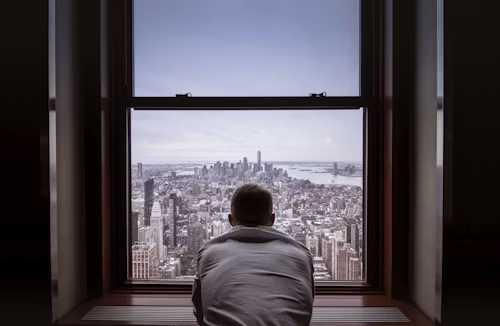
For many high-income professionals living in Brooklyn Heights, the daily rhythm of life follows a familiar pattern. Mornings start with ambition and urgency. Days are filled with meetings, deadlines, creative demands, or the pressure to perform. And evenings become a race toward recovery a moment to catch your breath as you step off the subway and walk past the quiet brownstones that line the neighborhood.
Even though Brooklyn Heights is known for its charm, safety, and breathtaking promenade views, countless professionals still struggle privately with stress, anxiety, burnout, or relationship tension. Long Manhattan commutes, competitive work culture, demanding creative careers, and the responsibility of providing for a family can all take an emotional toll. This is where therapy Brooklyn Heights becomes more than support it becomes a lifeline for those trying to feel grounded again.
In this blog, we explore the subtle emotional pressure of the Brooklyn Heights lifestyle, how the evening commute shapes mental health, and how therapy can help busy professionals decompress and reconnect with themselves.
The Pressure Behind the Brooklyn Heights Lifestyle
Brooklyn Heights attracts high-achieving residents for a reason. The neighborhood is beautiful, walkable, and close to everything yet its residents carry enormous responsibilities. Executives who spend their days in Midtown boardrooms. Creative professionals navigating the relentless pace of media, art, and tech. Parents working demanding jobs while raising children in one of the most competitive cities in the world.
Even with privilege and success, emotional strain is real.
Many clients describe feeling:
- Mentally overloaded after long commutes
- Disconnected from family or partners due to exhaustion
- Guilty for not being “present enough”
- Irritable in the evenings
- Emotionally numb from constantly pushing through
This pressure often shows up as stress, anxiety, or burnout, and sometimes as deeper depression, self-esteem issues, or relationship conflict. Some residents cope through overworking, shutting down, lashing out in anger, drinking more than usual, or slipping into avoidance patterns that keep them stuck.
If you’ve ever walked toward the Brooklyn Heights Promenade hoping the skyline view might calm your racing thoughts only to realize the tension is still there you’re not alone.
Therapy offers a space to regulate, release, and reset.
The Commute as a Stress Cycle
Leaving Manhattan at the end of the day should feel like a transition into rest but it often becomes another mental marathon.
Many Brooklyn Heights professionals say the commute is when their thoughts finally catch up to them. The subway becomes a place where stress bubbles up rather than unwinds. Ruminating about work. Replaying conversations. Thinking about the next day’s obligations. Feeling the weight of expectations.
Even for those who walk home from DUMBO, Fort Greene, or Downtown Brooklyn, the movement gives just enough space for tension to surface without giving time to process it.
This “transition stress” often leads to:
- Overthinking
- Emotional overwhelm
- Irritability with partners or kids
- Shutting down the moment you get home
- Feeling detached or on autopilot
Therapy helps break this cycle by giving you tools to regulate during the commute, check in with your needs, and arrive home more grounded.
Evening Therapy Routines That Support Decompression
For many high-achieving professionals, evenings are the only pocket of time left for emotional care. That’s why therapy Brooklyn Heights often means integrating intentional decompression habits into daily life.
Here are therapy-inspired practices that help clients transition out of “work mode” and reconnect with themselves:
A Mindful Commute Home
Therapists often teach grounding skills that you can use during your commute.
These techniques can be part of CBT or DBT strategies and may include:
- Sensory grounding
- Breathing exercises
- Thought reframing
- Naming emotional states without judgment
These practices shift your nervous system out of fight-or-flight, so you arrive home more present.
A 10-Minute Reset Before Walking In the Door
If you have kids or a partner waiting at home even a small break can prevent irritability or emotional withdrawal.
This reset might include light stretching, a short walk around the block, or quietly sitting on the Promenade before heading inside.
Evening Journaling to Process the Day
This helps reduce mental load and supports emotional clarity. Journaling is also helpful for those managing depression, anxiety, ADHD, or self-esteem concerns.
Relationship Check-ins
For couples navigating communication issues or emotional distance, therapists often recommend brief nightly check-ins. This can reduce tension and prevent stress spillover from work.
Healthy Emotional Expression
For those struggling with anger, addiction, or unresolved trauma, therapy helps build emotional tolerance and teaches safer, more compassionate ways to process overwhelming feelings.
These habits make evenings restorative rather than draining.
Why Brooklyn Heights Professionals Choose Therapy

High-achieving professionals often question whether they “really need” therapy, especially if life appears successful from the outside.
But therapy isn’t about falling apart. It’s about learning how to live with more ease, awareness, and emotional stability.
Many Brooklyn Heights residents seek therapy because they want to:
- Manage work stress more effectively
- Improve relationships
- Build healthier self-esteem
- Break burnout cycles
- Set boundaries around work
- Address anxiety driven by competitive work culture
- Process family-of-origin wounds that influence adult patterns
- Heal from trauma that resurfaces under pressure
Whether through Psychodynamic Therapy, CBT, DBT, ACT, REBT, or Prolonged Exposure Therapy, clients learn how to understand their emotional patterns, rewrite old narratives, and strengthen their capacity for resilience.
Uncover Mental Health Counseling
Uncover Mental Health Counseling supports high-achieving professionals across Brooklyn Heights and all of New York State through compassionate, thoughtful, and flexible virtual therapy.
Clients choose Uncover because sessions fit seamlessly into demanding schedules. Whether you’re commuting from Manhattan, traveling for work, juggling parenting duties, or navigating creative industry deadlines, online therapy offers:
- Evening availability
- Confidential sessions from home or office
- No commute
- Consistent support for unpredictable schedules
Our therapists understand the emotional landscape of high-powered NYC careers. Whether you’re navigating stress, anxiety, depression, relationship struggles, anger, ADHD, addiction, self-esteem issues, or unresolved trauma, we help you build insight, reduce overwhelm, and reconnect with your sense of self.
Virtual therapy brings relief directly to you regardless of where your day takes you.
Book an Appointment
If you’re ready to decompress more effectively, feel more emotionally grounded, and bring more ease into your evenings, Uncover Mental Health Counseling is here to support you. Our virtual therapy services are available across New York State so you can meet with a therapist from home, from your office, or even during less crowded hours of your commute.
Therapy can help you break patterns of stress and burnout, strengthen your relationships, and build greater emotional resilience no matter how busy life becomes.
Book your appointment today and take the first step toward balance, clarity, and a calmer end to every workday.
FAQs: Therapy Brooklyn Heights
Is virtual therapy as effective as in-person therapy for Brooklyn Heights professionals?
Yes. Virtual therapy provides the same therapeutic depth and emotional support without the added commute. Many Brooklyn Heights residents prefer online sessions because they fit easily into busy schedules and help with consistent attendance.
Can therapy help with stress caused by long Manhattan commutes?
Absolutely. Therapy helps you develop emotional regulation tools, stress-management strategies, and grounding techniques that make your commute less overwhelming. It also supports broader lifestyle balance so you’re not carrying the day’s stress into your home or relationships.
Can therapy help with balancing work, family, and personal time in Brooklyn Heights?
Yes. Many high-achieving professionals and parents in Brooklyn Heights struggle with overwhelm. Therapy helps you set boundaries, manage your energy, and create healthier routines that support both productivity and personal wellbeing.
Is therapy useful for creative burnout or performance pressure?
Definitely. Brooklyn Heights is home to many creatives working in demanding fields. Therapy can help you navigate perfectionism, creative blocks, self-doubt, and industry pressure while building habits that protect your emotional and creative capacity.
How quickly can I see progress with virtual therapy?
Progress varies, but many clients notice meaningful shifts within a few weeks. The convenience of virtual therapy often leads to more consistent sessions, which helps accelerate emotional clarity, stress reduction, and overall improvement in wellbeing.