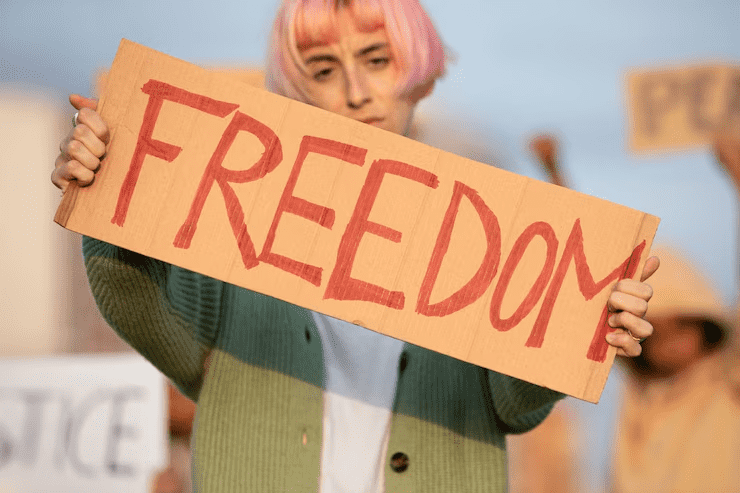
Explore Trump Syndrome and what TDS stands for. Learn about Trump Derangement Syndrome, its mental health implications, and therapy options in NYC.
In today’s highly polarized political climate, conversations around mental health and politics are intersecting in new and often unexpected ways. One term that has emerged in both pop culture and clinical discussions is Trump Syndrome—more colloquially known as Trump Derangement Syndrome (TDS).
This blog post will unpack the definition of Trump Syndrome, examine what TDS stands for, explore the psychology behind Trump derangement, and discuss how professional mental health support—like working with an Anxiety Therapist NYC or DBT Therapist NYC—can help individuals navigate the emotional turmoil that political stress may cause.
What Does TDS Stand For?
TDS stands for Trump Derangement Syndrome. It’s a term that originated during Donald Trump’s presidency to describe an extreme or irrational reaction to his presence, actions, or policies—whether in favor or opposition. While the term is often used pejoratively in political discourse, its implications for mental health are worth serious consideration.
Some psychologists and therapists note that people experiencing symptoms of TDS may display:
- Obsessive preoccupation with Trump-related news
- Heightened anxiety or anger
- Polarized or black-and-white thinking
- Social withdrawal due to political disagreement
While not a medically recognized diagnosis, Trump Syndrome may intersect with treatable mental health conditions like anxiety, depression, PTSD, or anger management challenges.
Origins and Popularization of Trump Derangement Syndrome
The phrase Trump Derangement Syndrome was first coined by conservative commentators to describe what they saw as irrational hostility toward Trump. Over time, however, the term has been adopted across the political spectrum to denote extreme reactions—both positive and negative.
Some examples of this phenomenon:
- People experiencing constant outrage over Trump-related news
- Family conflicts or broken friendships due to political views
- Obsessive consumption of political media
- Despair or paranoia over government policies
From a clinical standpoint, these are symptoms that can severely impact mental well-being and quality of life.
Psychological Mechanisms Behind Trump Syndrome
1. Cognitive Dissonance
Cognitive dissonance occurs when one holds two conflicting beliefs. For example, a person may value kindness and empathy but perceive Trump’s actions as contrary to those values. This dissonance can create psychological stress.
2. Confirmation Bias
People with strong feelings—pro or con—about Trump may only seek information that confirms their views, reinforcing emotional reactions and deepening Trump Derangement Syndrome.
3. Groupthink and Tribalism
Political identity has become intertwined with personal identity for many. Being part of a “tribe” can heighten in-group loyalty and out-group hostility, leading to extreme behavior.
4. Emotional Dysregulation
Those with underlying anxiety or unresolved trauma may find that political content triggers emotional dysregulation. This is particularly common among individuals dealing with political trauma, where news cycles reactivate stress responses.
Trump Syndrome and Its Mental Health Consequences
Let’s look at how Trump Syndrome may manifest in terms of diagnosable conditions:
- Anxiety Disorders: Constant worry over political outcomes and personal safety.
- Depression: Feelings of hopelessness, especially regarding the future of the country.
- PTSD-like Symptoms: For marginalized communities, Trump-era policies may have reactivated trauma.
- Anger Management Issues: Inability to tolerate opposing views without aggression.
If you or someone you know is struggling with these symptoms, connecting with a qualified Therapist for Depression in NYC, Anger Management Therapy in NYC, or a Trauma Therapist NYC can be crucial.
The Role of Therapy in Addressing Trump Syndrome
Mental health professionals aren’t political pundits—they’re trained to help clients navigate strong emotions, unresolved conflict, and harmful behavior patterns. Here’s how therapy can help with Trump Derangement Syndrome:
🧠 Cognitive Behavioral Therapy (CBT) NYC
CBT helps individuals identify and challenge irrational thoughts, reduce catastrophizing, and develop healthier thought patterns.
💬 Dialectical Behavior Therapy (DBT) Therapist NYC
DBT is especially useful for emotional regulation. It teaches clients how to tolerate distress and manage interpersonal relationships, even in polarizing environments.
🧘 Acceptance and Commitment Therapy NYC
ACT promotes psychological flexibility by helping clients accept uncomfortable thoughts and focus on value-driven actions.
🧩 Psychodynamic Therapy NYC
This approach explores how past experiences influence present emotional responses—ideal for unpacking long-standing political or authority-related trauma.
⚙️ Rational Emotive Behavioral Therapy
REBT helps challenge irrational core beliefs, such as “Everyone who disagrees with me is evil,” which may arise during heated political times.
🔁 Prolonged Exposure Therapy
This is especially useful if the person experienced trauma related to political policies, protests, or systemic discrimination during the Trump era.
Practical Coping Tips for Managing Trump Syndrome
If you’re noticing symptoms of Trump Syndrome or Trump derangement, consider these strategies:
- Set Media Boundaries – Limit news consumption to once or twice daily.
- Engage in Mindfulness – Meditation, journaling, and yoga can help regulate your nervous system.
- Seek Safe Conversations – Talk with those who respect different viewpoints.
- Therapy – Work with a licensed therapist in NYC to process your emotions.
- Exercise & Nutrition – Both play a critical role in emotional well-being.
Who is Most at Risk?
People with pre-existing mental health conditions, marginalized identities, or histories of trauma are more likely to experience severe reactions to political events. Individuals deeply invested in activism may also suffer from burnout or compassion fatigue—an issue Self-Esteem Therapy in NYC and Stress Management NYC can address effectively.
The Intersection of Politics and Identity
Trump Syndrome reveals a deeper societal trend: the blurring of political identity and personal identity. For many, views about Trump are not just opinions—they’re tied to self-worth, moral values, and community belonging. This overlap can make political conflict feel like a personal attack, escalating symptoms of anxiety, depression, or interpersonal stress.
When to Seek Help
If you find yourself:
- Losing sleep over political news
- Having panic attacks during news cycles
- Feeling hopeless about the future
- Avoiding loved ones due to political disagreement
- Unable to focus on daily life due to political stress
…it may be time to consult a mental health professional.
Our NYC-based practice offers comprehensive care tailored to your unique experiences. Whether you need help with Addiction Therapy NYC, ADHD Specialist NYC, or Relationship Therapy New York City, our team of licensed therapists is here to support you.
Final Thoughts: When Politics Affects Your Peace of Mind
“Trump Syndrome” isn’t just a media term—it reflects the very real emotional toll that political stress can have on your mental health. Whether you’re dealing with anxiety, anger, or emotional exhaustion, these reactions are valid—and treatable.
At Uncover Mental Health Counseling in New York City, we provide a supportive, nonjudgmental space to help you process intense emotions, challenge harmful thought patterns, and rebuild a sense of inner stability. From Anxiety Therapy to Stress Management, our licensed therapists are here to support your well-being.
Your peace of mind is worth protecting. Book an appointment today and take the first step toward emotional resilience and clarity in uncertain times.
Frequently Asked Questions About Trump Syndrome
❓ What does TDS stand for?
TDS stands for Trump Derangement Syndrome. It’s a colloquial term used to describe extreme emotional or psychological reactions—positive or negative—toward former President Donald Trump. Though not a medically recognized diagnosis, the emotional intensity surrounding Trump has prompted mental health discussions around stress, anxiety, and polarized thinking.
❓ Is Trump Syndrome a real mental health condition?
Trump Syndrome is not listed in the DSM-5 or formally recognized by psychological organizations. However, many of the symptoms attributed to it—such as anxiety, obsessive thinking, emotional dysregulation, and social withdrawal—are genuine mental health concerns. Mental health professionals, especially those trained in Cognitive Behavioral Therapy NYC or Psychodynamic Therapy NYC, can address these symptoms effectively.
❓ Can Trump Derangement Syndrome affect both supporters and critics?
Yes. While the term is often used to mock Trump critics, Trump Derangement Syndrome can manifest in both supporters and opponents. Supporters may display extreme devotion or paranoia about perceived threats to Trump, while opponents may experience rage, hopelessness, or obsessive fear. In both cases, therapy—such as working with an Anxiety Therapist NYC or DBT Therapist NYC—can help.
❓ How can I tell if I have Trump Syndrome?
Signs you may be experiencing Trump Syndrome include:
- Difficulty focusing on anything but political news
- Constant arguments about Trump with friends or family
- Feeling emotionally drained or unsafe due to politics
- Losing sleep or appetite because of political worry
- Believing people with opposing views are inherently bad
If these symptoms persist, consider reaching out to a Therapist for Depression in NYC or Self Esteem Therapy in NYC provider for support.
❓ What mental health treatments can help with political stress?
Effective treatments for political stress and Trump Derangement Syndrome include:
- Cognitive Behavioral Therapy (CBT)
- Acceptance and Commitment Therapy (ACT)
- Dialectical Behavior Therapy (DBT)
- Psychodynamic Therapy (PT)
- Rational Emotive Behavioral Therapy (REBT)
- Prolonged Exposure Therapy for trauma-related symptoms (PET)
Many NYC-based therapists incorporate these methods into their practice to help clients build emotional resilience.
❓ Is it unhealthy to care deeply about politics?
Not at all. Being politically engaged can be a healthy, meaningful expression of your values. However, when political events begin to dominate your emotional state, disrupt your relationships, or interfere with daily functioning, it may be time to seek help from professionals like those offering Stress Management NYC or Relationship Therapy New York City.
❓ Can therapy really help with political anxiety?
Yes. Therapists can offer tools for managing strong emotions, coping with uncertainty, and improving interpersonal communication. Working with a licensed Trauma Therapist NYC, Anger Management Therapy NYC, or ADHD Specialist NYC can be especially helpful if your emotional regulation or focus is affected by political stress.
❓ What are some self-care tips for managing Trump Syndrome?
Here are some strategies:
- Limit social media and news exposure
- Engage in mindfulness or meditation
- Exercise regularly and maintain a healthy diet
- Spend time with friends who uplift you
- Practice deep breathing or grounding exercises
- Seek professional help if symptoms worsen
❓ Is it possible to have healthy political discussions again?
Yes, but it requires empathy, listening skills, and emotional regulation. Therapists often work with individuals and couples—through Relationship Therapy New York City or Self Esteem Therapy in NYC—to rebuild communication skills and learn how to engage in respectful discourse
If you or someone you know is struggling with the emotional toll of politics, don’t hesitate to reach out. Our NYC-based therapy center is here to help you move forward with clarity, confidence, and emotional balance.