
Children, like adults, can experience a wide range of emotional ups and downs. However, when these mood fluctuations become severe, persistent, or interfere with daily life, they may indicate a mood disorder. In a bustling and high-pressure environment like New York City, children are particularly vulnerable to mood disorders due to various environmental stressors, academic pressure, and social challenges. As a parent, it is crucial to understand the types of mood disorders in children in NYC, recognize early warning signs, and seek professional support to manage these conditions.
In this blog, we’ll dive into the different types of mood disorders in children in NYC, the causes and symptoms, and explore available therapeutic options. With the right support and interventions, children can achieve recovery for mood disorders in children in NYC and thrive.
Understanding Mood Disorders in Children
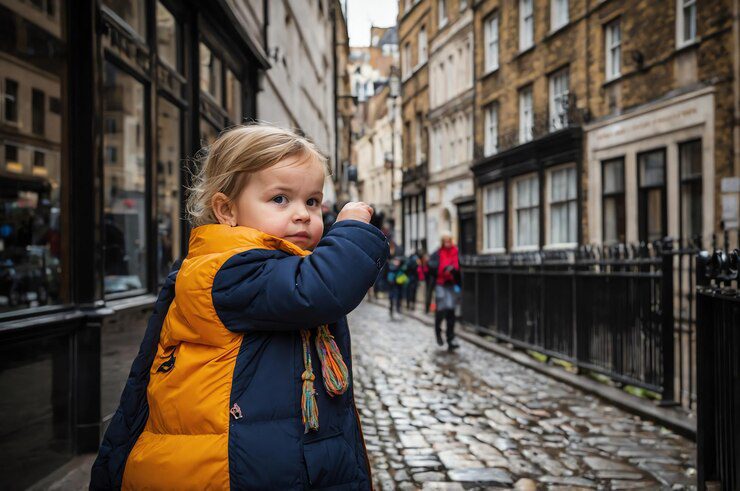
Mood disorders are mental health conditions that cause significant changes in mood, affecting a child’s emotional state, behavior, and ability to function. These disorders are not just occasional mood swings but are more intense, persistent, and can significantly impact a child’s ability to participate in school, interact with peers, and maintain family relationships.
While many people may think of mood disorders as something that only affects adults, children are also susceptible. Recognizing the mood disorders in children in NYC is critical for early intervention and treatment. Early diagnosis and appropriate therapy can prevent these conditions from worsening over time, improving the child’s overall quality of life.
Common Types of Mood Disorders in NYC Children
Understanding the specific types of mood disorders in children in NYC can help parents identify symptoms early on. Here are some common mood disorders children may experience:
1. Major Depressive Disorder (MDD)
Major Depressive Disorder, commonly referred to as depression, is characterized by persistent feelings of sadness, hopelessness, and a loss of interest in activities that once brought joy. Children with MDD may exhibit changes in appetite, sleep disturbances, difficulty concentrating, and withdrawal from friends and family. In NYC, where life can be fast-paced and stressful, children may experience unique environmental pressures that exacerbate depression.
2. Bipolar Disorder
Bipolar disorder involves extreme mood swings that alternate between depressive lows and manic or hypomanic highs. During a manic episode, a child may exhibit hyperactivity, talkativeness, impulsive behaviors, and excessive energy. These highs are often followed by severe depressive episodes, which can be emotionally draining. Recognizing the signs of bipolar disorder early is crucial, especially in a busy urban environment like NYC, where heightened stress can trigger mood changes.
3. Disruptive Mood Dysregulation Disorder (DMDD)
DMDD is a relatively new diagnosis characterized by severe irritability, anger, and frequent temper outbursts that are out of proportion to the situation. Children with DMDD may struggle with intense emotions and have difficulty managing frustration. This disorder can interfere with their school life and social interactions, particularly in high-stress environments like New York City, where the pressure to succeed can be overwhelming.
4. Persistent Depressive Disorder (Dysthymia)
Persistent Depressive Disorder, also known as dysthymia, is a long-term, chronic form of depression. Children with dysthymia may experience a low mood for an extended period—often for two years or more. While the symptoms are not as severe as Major Depressive Disorder, the persistence of these feelings can hinder a child’s ability to lead a fulfilling life. It is crucial for parents to recognize this condition and seek support for mood disorders in children in NYC.
Early Signs and Symptoms Parents Should Watch For
It can be challenging to distinguish between normal mood fluctuations and mood disorders, especially in children. However, there are some common signs and symptoms that parents should be aware of:
- Changes in Behavior: If your child starts withdrawing from social activities, stops engaging in hobbies, or avoids spending time with friends and family, this may indicate a mood disorder.
- Academic Decline: Mood disorders can affect a child’s concentration and focus, leading to a noticeable decline in school performance.
- Irritability or Anger: While children often experience irritability, frequent outbursts of anger or prolonged periods of irritability could be signs of a mood disorder like DMDD or depression.
- Sleep and Appetite Changes: Significant changes in a child’s sleep patterns or appetite, either an increase or decrease, may indicate underlying emotional distress.
- Lack of Energy or Motivation: Children with mood disorders often experience fatigue, low energy, and a lack of interest in activities they once enjoyed.
If you notice any of these signs, it’s essential to consult a professional, such as a therapist for depression or a specialist in anxiety therapy. Early diagnosis and treatment are vital to ensure the best possible outcomes for your child.
Causes and Risk Factors for Mood Disorders in NYC Children
There are several factors that can contribute to the development of mood disorders in children in NYC. Some of these factors include:
1. Genetic Factors
Mood disorders often run in families, and children with a family history of depression, bipolar disorder, or other mood disorders may be at higher risk. Parents with a history of mental health conditions should remain vigilant about their child’s emotional well-being.
2. Environmental Stressors
New York City is known for its fast-paced lifestyle, high expectations, and competitive atmosphere. These environmental stressors can contribute to the onset of mood disorders in children. Academic pressures, social competition, and the urban environment can exacerbate feelings of stress, anxiety, and depression in children.
3. Trauma and Stress
Trauma, including experiences of loss, bullying, family conflict, or abuse, can significantly impact a child’s mental health. Children who have experienced trauma may develop mood disorders as a response to their distress. Trauma therapy can be an essential part of the recovery process.
4. ADHD and Co-occurring Disorders
Children with Attention Deficit Hyperactivity Disorder (ADHD) are more likely to experience mood disorders. The impulsivity, hyperactivity, and emotional dysregulation associated with ADHD can lead to frustration, low self-esteem, and, eventually, depression or anxiety. Parents should be aware of how co-occurring conditions like ADHD may interact with mood disorders.
Support for Mood Disorders in NYC Children
Once a mood disorder is identified, seeking support for mood disorders in children in NYC is essential. Fortunately, various evidence-based therapeutic approaches can help children manage their symptoms and achieve recovery.
1. Cognitive Behavioral Therapy (CBT)
Cognitive Behavioral Therapy (CBT) is one of the most effective treatments for mood disorders in children. CBT helps children identify negative thought patterns and replace them with healthier, more positive thoughts. It also teaches children practical coping skills to manage their emotions.
2. Dialectical Behavioral Therapy (DBT)
Dialectical Behavioral Therapy (DBT) is particularly useful for children with mood dysregulation, such as those with DMDD or bipolar disorder. DBT focuses on teaching emotional regulation, mindfulness, and distress tolerance skills, helping children manage intense emotions and reduce emotional outbursts.
3. Psychodynamic Therapy
Psychodynamic Therapy helps children explore their unconscious thoughts and feelings. This form of therapy can be especially beneficial for children dealing with unresolved emotional trauma or long-term stressors that contribute to mood disorders. By uncovering these underlying issues, children can gain insight into their emotional struggles and develop healthier ways to cope.
4. Acceptance and Commitment Therapy (ACT)
Acceptance and Commitment Therapy (ACT) is another effective approach that encourages children to accept their emotions rather than trying to suppress them. ACT helps children commit to positive behavioral changes, even in the face of emotional discomfort. This approach can be particularly useful for children with chronic depression or anxiety.
Recovery and Management of Mood Disorders in NYC Children

Recovery from mood disorders is not a one-size-fits-all process, and it often requires ongoing management and support. Fortunately, with the right therapeutic interventions and family involvement, children can achieve recovery for mood disorders in children in NYC and lead healthy, fulfilling lives.
1. The Importance of Early Intervention
The earlier a mood disorder is diagnosed and treated, the better the chances of recovery. Early intervention can prevent mood disorders from worsening or becoming chronic. Children who receive treatment early on are more likely to develop healthy coping strategies that will serve them throughout their lives.
2. Role of Family Support
Family support is a crucial component of managing mood disorders in children. Parents and caregivers play a vital role in their child’s recovery by providing a stable, supportive environment, being involved in therapy sessions, and reinforcing positive coping strategies at home.
3. Managing Stress and Triggers
Children in NYC face unique stressors, from academic pressure to social dynamics in a bustling urban environment. Teaching children how to manage stress through mindfulness practices, healthy routines, and therapy can help prevent mood disorder symptoms from resurfacing. Prolonged Exposure Therapy may be beneficial in helping children confront and overcome specific traumatic experiences that contribute to their mood disorders.
How Uncover Mental Health Counseling Can Help
At Uncover Mental Health Counseling, we understand the challenges that come with managing mood disorders in children in NYC. Our team of experienced therapists offers a range of evidence-based treatments, including Cognitive Behavioral Therapy (CBT), Dialectical Behavioral Therapy (DBT), and Psychodynamic Therapy, all available through online therapy sessions. This allows families in NYC to access high-quality mental health care from the comfort of their own homes.
Whether your child is struggling with depression, anxiety, or any other mood disorder, our compassionate team is dedicated to providing the support and resources necessary for their recovery.
1. Tailored Treatment Plans
We recognize that each child is unique, and so are their experiences. Our therapists will work closely with your family to create personalized treatment plans that cater to your child’s specific needs and goals. By focusing on individual strengths and challenges, we can promote a positive therapeutic experience that fosters healing and growth.
2. Flexible Online Therapy
In today’s digital world, online therapy offers flexibility and convenience, particularly for families navigating the busy lifestyle of NYC. Our virtual sessions ensure that your child receives consistent support without the added stress of travel. With a secure and confidential online platform, we can provide high-quality therapy from the comfort of your home.
3. Ongoing Support and Resources
At Uncover Mental Health Counseling, we believe in the importance of ongoing support for both children and their families. We provide resources, workshops, and support groups to help parents understand mood disorders better and connect with other families facing similar challenges. This sense of community can be invaluable in the recovery journey.
The Path to Recovery for Mood Disorders in NYC Children
The journey to recovery from mood disorders is often nonlinear, with ups and downs along the way. However, with early intervention and appropriate therapeutic support, children can learn to manage their emotions effectively and develop resilience. Here are some key aspects of the recovery process:
1. Monitoring Progress
Regular check-ins with a mental health professional can help parents monitor their child’s progress and make necessary adjustments to their treatment plan. It’s essential to communicate openly with your child about their feelings and experiences to facilitate this process.
2. Reinforcing Healthy Coping Strategies
Encouraging your child to practice healthy coping strategies is critical for long-term recovery. Whether through mindfulness exercises, journaling, or engaging in physical activities, these practices can empower children to manage stress and emotional challenges effectively.
3. Building a Supportive Environment
Creating a nurturing and understanding home environment can make a significant difference in your child’s recovery journey. Open communication, emotional support, and positive reinforcement can foster resilience and help children feel more secure as they navigate their emotions.
Understanding and Supporting Your Child’s Mental Health
Navigating the complexities of mood disorders in children in NYC can be challenging for parents. However, by educating yourself about the types of mood disorders in children in NYC, recognizing early signs, and seeking support for mood disorders in children in NYC, you can make a significant difference in your child’s life.
At Uncover Mental Health Counseling, we are committed to helping families access the care and resources they need. If you notice signs of a mood disorder in your child, do not hesitate to reach out for professional support. Together, we can help your child achieve recovery for mood disorders in children in NYC and develop the tools they need to thrive.
If you are concerned about your child’s mental health, book an appointment with us today to start the journey toward understanding and recovery. Your child’s well-being is our priority, and we are here to help every step of the way.