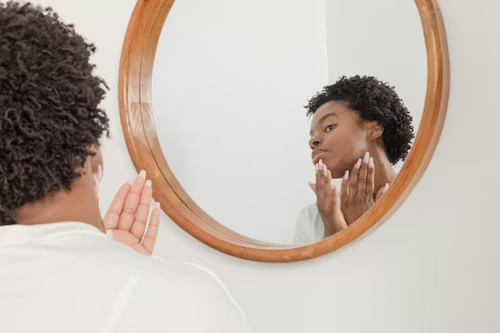
Aging is an inevitable part of life, yet many people struggle with the fear of aging and the uncertainties it brings. The thought of getting older can trigger anxiety, concerns about health, and even existential dread. However, aging does not have to be a fearful experience. By understanding the root causes of this fear and implementing strategies to foster a positive mindset, we can learn to embrace aging with grace and confidence. In this blog, we will explore the fear of aging, its psychological impact, and practical ways to shift our perspective.
The Psychological Impact of the Fear of Aging
The fear of aging and death is deeply rooted in human psychology. For many, it is associated with loss—loss of youth, independence, health, and even social connections. Some individuals experience heightened anxiety due to cultural perceptions that equate aging with decline. These fears can lead to stress, avoidance behaviors, and even depression, affecting one’s overall quality of life.
Common Causes of the Fear of Aging:
- Loss of Independence – Many people fear losing the ability to care for themselves and becoming dependent on others for basic needs.
- Declining Health – Chronic illnesses, reduced mobility, and cognitive decline are major concerns as people grow older.
- Running Out of Money – Financial insecurity is a significant fear, as medical expenses and the cost of living continue to rise.
- Not Being Able to Live at Home – The thought of moving into a nursing home or assisted living facility can be unsettling.
- Death of a Partner or Family Member – Losing loved ones is an inevitable part of aging and can lead to feelings of loneliness and grief.
- Inability to Manage Daily Activities – Simple tasks like dressing, cooking, and bathing may become difficult, leading to frustration.
- Not Being Able to Drive – Losing the ability to drive can limit independence and access to social activities.
- Isolation and Loneliness – Many older adults worry about losing social connections and feeling alone.
- Cognitive Decline – Memory loss, dementia, and other cognitive issues are significant sources of anxiety.
- Fear of Being a Burden – Many people worry about placing stress on their family members due to aging-related issues.
Although these fears are common, they can be managed with proper planning, a strong support system, and a proactive approach to health and wellness.
What Is the Fear of Aging Called?
The fear of aging is known as gerascophobia, a condition in which individuals experience excessive anxiety about growing older. This fear can stem from various factors, including societal pressures, personal experiences, and cognitive influences. People with gerascophobia often worry about losing their independence, declining health, or becoming socially isolated. In some cases, this fear becomes overwhelming, leading to avoidance behaviors or emotional distress.
Gerascophobia is not just a general discomfort with aging—it can significantly impact mental health and daily life. Many individuals with this phobia struggle with negative thoughts about physical changes, career limitations, or the perception that aging diminishes their value. These concerns are often reinforced by cultural messages that associate youth with beauty, success, and vitality.
The causes of gerascophobia vary. For some, past experiences, such as witnessing a loved one’s struggles with aging, may contribute to their fears. Others may develop anxiety due to personal insecurities or underlying mental health conditions. Treatment options like Cognitive Behavioral Therapy (CBT) or Acceptance and Commitment Therapy (ACT) can help individuals manage and overcome these fears. By addressing negative thought patterns and fostering a more positive outlook on aging, people can lead more fulfilling and less anxiety-ridden lives.
How to Get Over the Fear of Aging: Mindset Shifts That Help
While it’s normal to experience anxiety about aging, there are ways to reframe these fears into something positive. How to get over fear of aging starts with changing the way we perceive it. Below are some practical steps to cultivate a healthier relationship with growing older.
1. Reframe Aging as Growth
Aging is not just about loss—it’s about gaining wisdom, experience, and a deeper understanding of life. Instead of viewing it as a decline, see it as a journey of self-discovery and growth. Many people find greater self-acceptance and inner peace as they age.
2. Focus on What You Can Control
Worrying about aging won’t stop the process, but taking proactive steps can help ease fears. Prioritizing physical health, maintaining an active lifestyle, and practicing self-care can make aging feel more empowering.
3. Build Strong Social Connections
One of the biggest concerns tied to aging is social isolation. Nurturing relationships and engaging in community activities can help combat loneliness and provide a support system during life transitions.
4. Seek Professional Support
If the fear of aging and death becomes overwhelming, seeking therapy can be incredibly beneficial. Services such as Anxiety Therapy NYC, Therapist for Depression in NYC, and Self Esteem Therapy in NYC can help individuals work through their fears and develop healthier coping mechanisms. Techniques like Cognitive Behavioral Therapy (CBT) and Acceptance and Commitment Therapy (ACT) are particularly effective in managing anxiety related to aging.
How to Deal with the Fear of Aging Through Healthy Habits
Our daily habits play a crucial role in how we perceive aging. By adopting a healthy lifestyle, we can foster a positive outlook and minimize the negative effects associated with growing older.
1. Prioritize Physical Health
- Maintain a balanced diet rich in nutrients to support overall well-being.
- Engage in regular exercise to keep the body strong and agile.
- Get regular health check-ups to stay proactive about potential issues.
2. Practice Mindfulness and Stress Management
Mindfulness and meditation can help reduce anxiety and promote acceptance of aging. If stress becomes overwhelming, Stress Management NYC services can provide effective coping strategies.
3. Engage in Lifelong Learning
Challenging yourself intellectually can keep the mind sharp and provide a sense of purpose. Taking up new hobbies, reading, or learning new skills can make the aging process exciting rather than intimidating. Keeping the brain active reduces cognitive decline and enhances mental resilience.
4. Challenge Negative Thoughts
Therapies like Rational Emotive Behavioral Therapy (REBT) and Dialectical Behavioral Therapy (DBT) can help individuals challenge and reframe negative thought patterns about aging, making it easier to embrace change with a positive mindset.
5. Embrace Self-Care and Confidence
Taking care of oneself is essential in shifting the perception of aging. Whether it’s dressing in a way that makes you feel good, maintaining a skincare routine, or simply prioritizing relaxation, self-care can help boost confidence and reduce the negative emotions associated with aging.
At What Age Do You Start to Feel Old?
The perception of aging varies from person to person, but research suggests that people generally start to feel old around the age of 57. A study involving adults aged 24 to 96 found that this was the average age when individuals began noticing significant physical changes.
Several factors contribute to this feeling, including reduced stamina, decreased muscle strength, and less flexibility. Additionally, external influences like societal expectations and comparisons to younger generations can amplify the awareness of aging.
However, feeling old is not solely determined by age. Lifestyle choices, mindset, and overall health play a crucial role in how people experience aging. Regular exercise, a healthy diet, and staying mentally engaged can help individuals feel younger for longer. While the number on the calendar may change, adopting a proactive approach to well-being can delay the effects of aging and enhance overall quality of life.
How Can We Solve Aging Problems?
Aging is a natural part of life, but it comes with challenges that can affect physical, cognitive, and emotional well-being. Many people experience concerns about declining health, loss of independence, or social isolation. While aging cannot be stopped, adopting healthy lifestyle habits can help manage and reduce its negative effects, allowing individuals to maintain a high quality of life as they grow older.
One of the most important aspects of healthy aging is taking care of cognitive health. The brain, like any other muscle, requires regular exercise to stay strong and functional. Engaging in mentally stimulating activities—such as reading, writing letters, solving puzzles, or playing strategy-based games—can help improve memory, focus, and overall cognitive function. This not only keeps the mind sharp but also promotes mental agility.
Physical health also plays a crucial role in aging well. Engaging in at least 150 minutes per week of moderate- to vigorous-intensity exercise, such as walking, swimming, or yoga, helps maintain mobility, strength, and cardiovascular health. Avoiding harmful habits, like smoking and excessive alcohol consumption, significantly reduces the risk of age-related diseases.
Diet is another key factor. A high-quality, Mediterranean-style diet rich in fruits, vegetables, whole grains, healthy fats, and lean proteins provides essential nutrients that support brain and body function. Proper hydration and balanced nutrition can prevent chronic conditions such as heart disease, diabetes, and osteoporosis, helping individuals feel more in control of the aging process.
Additionally, social engagement is essential for emotional well-being. Building strong social connections, joining community activities, and maintaining relationships can combat feelings of loneliness and depression that often accompany aging. These connections provide emotional support and reassurance, reducing anxiety and the fear of aging.
While aging presents challenges, proactive lifestyle choices can significantly improve overall well-being. By prioritizing cognitive health, physical activity, balanced nutrition, and meaningful social interactions, individuals can lead fulfilling and active lives well into their later years.
How Do You Help Someone Who Is Struggling With Aging?
Supporting someone who is struggling with aging requires empathy, patience, and a willingness to engage in meaningful conversations. The aging process can be challenging, as it often brings physical limitations, changes in independence, and emotional struggles such as grief or depression. To help, start by fostering open and honest discussions about their concerns. Many seniors may fear losing their autonomy, so listening to their worries with compassion can reassure them that their feelings are valid.
Encouraging them to express their wishes and preferences will not only make them feel respected but also help you understand how best to support them. Additionally, emotional struggles are common as they may be coping with the loss of loved ones, changes in their social circles, or feelings of loneliness. Providing companionship, encouraging participation in social activities, and seeking professional support when needed can greatly improve their well-being.
If they are experiencing signs of depression or heightened anxiety, therapy can be an invaluable resource. A trained professional can help them navigate their emotions and develop coping strategies. Above all, offering consistent emotional support, maintaining patience, and reminding them of their value and significance can make a meaningful difference in their quality of life.
The Role of Therapy in Overcoming the Fear of Aging
Professional therapy provides valuable tools for managing the fear of aging and addressing the underlying anxieties that come with it. At Uncover Counseling, we offer a variety of specialized treatments, including:
- Psychodynamic Therapy: Helps explore deep-rooted fears and past experiences that contribute to anxiety about aging.
- Cognitive Behavioral Therapy (CBT): Aids in identifying and reframing negative thought patterns.
- Dialectical Behavioral Therapy (DBT): Assists in managing intense emotions related to aging and change.
- Prolonged Exposure Therapy: Beneficial for those who have deep-seated fears associated with aging and mortality.
- Acceptance and Commitment Therapy (ACT): Encourages acceptance of aging and focuses on creating a meaningful life.
These approaches, combined with personalized care, can help individuals shift their perspective and lead fulfilling lives, regardless of age.
Embracing Aging with Confidence
The fear of aging is a common experience, but it doesn’t have to control your life. By understanding the fear of aging, learning how to deal with the fear of aging, and implementing mindset shifts, you can embrace the process with confidence and peace. Whether through self-care, positive lifestyle changes, or seeking support from professionals, it is possible to redefine what aging means to you.
If you’re struggling with anxiety related to aging, therapy can be a powerful tool. At Uncover Counseling, we offer specialized services, including Anxiety Therapy NYC, Trauma Therapy NYC, and Self Esteem Therapy in NYC, to help you navigate this journey with resilience and self-acceptance.
Aging is not something to fear—it’s a new chapter filled with opportunities, wisdom, and growth. With the right mindset, you can embrace it fully and live a meaningful life at any stage. Book an appointment today!