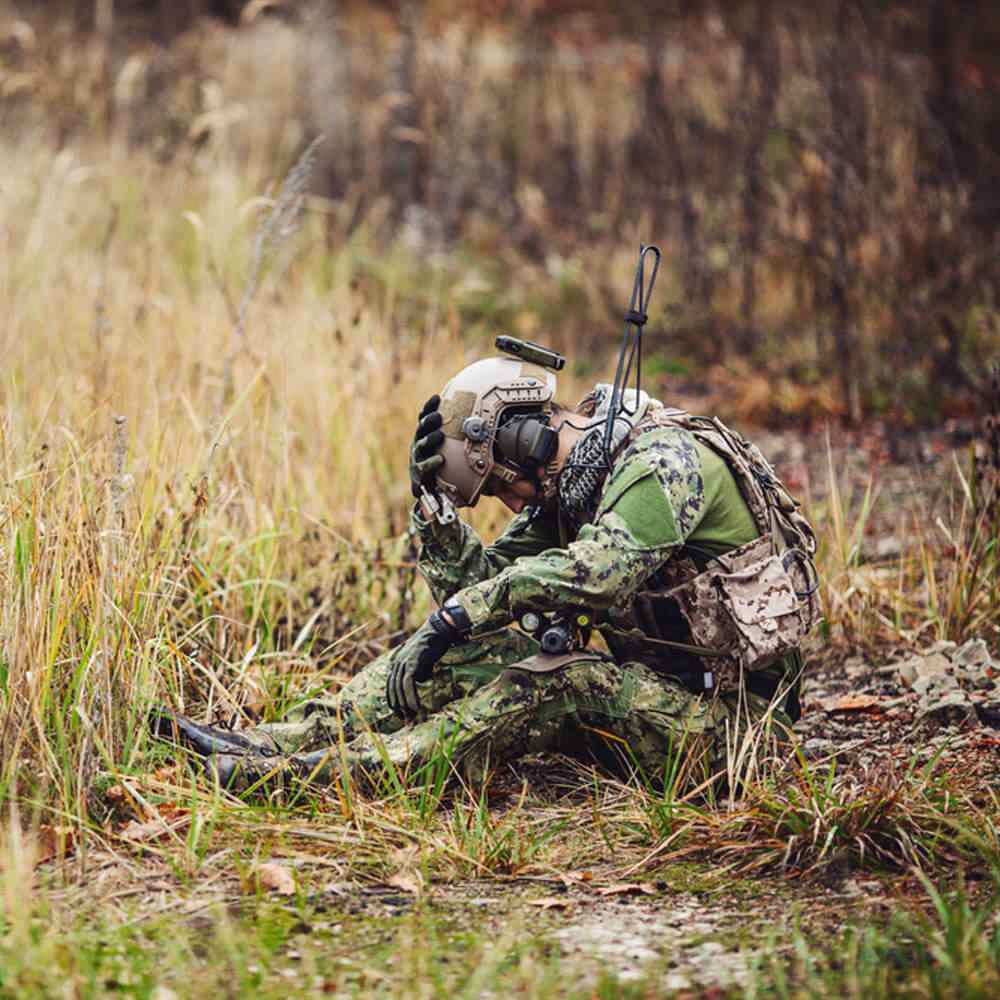
The body’s stress response is kind of one of the most primal, survival mechanisms we have, meant to keep us safe when danger is right there. It’s an automatic reaction that kicks off a whole chain of physical changes, like a faster heart rate, quickened breathing, and this more intense sense of awareness, all aimed at helping you either confront the threat or get away from it. In real, life-threatening situations, this can genuinely be lifesaving, no doubt about it.
But when the stress response doesn’t shut off, it starts working more like a weight than a help. You might even catch yourself thinking, “why is my fight or flight always on?” That constant high-alert state of hyperarousal can make it really hard for your body to drop back into calm. And then it can turn into chronic stress, anxiety, or even physical problems, like fatigue, headaches, and digestive troubles. Over time, the body’s inability to deactivate this survival mode can put both emotional pressure and physical strain on you, for longer than it should.
There are a bunch of reasons this can happen. Unresolved trauma, ongoing stressors, or hormonal imbalances can keep the nervous system stuck in that heightened mode. Then you get this vicious loop where your body stays braced, as if something bad is coming, even when the situation is actually safe. That’s how you end up stuck in fight or flight symptoms, which end up showing up in both your mood, and your body ,and it can feel exhausting.
In this blog, we’ll look at why you might feel stuck in fight or flight, how it affects your overall well-being, and what you can do to regain balance. We’ll also talk about the role of professional therapy, including evidence-based approaches like the ones offered at Uncover Mental Health Counseling, because having the right support can help you break out of the cycle and get real, lasting relief.
What Is the Fight-or-Flight Response?

The body’s stress response is like an automatic physiological reaction , meant to help you survive what it thinks are perceived threats. This old mechanism comes from our evolutionary past, so it helped early humans confront or flee predators or other life-threatening situations. Still, even though it’s a crucial survival tool, when it kicks in during normal non-life-threatening, everyday stressors , it can cause real difficulties, and that’s especially true if the body stays in that same “mode” for prolonged periods.
How It Works
The fight or flight response kind of kicks off in the brain, and then it’s run through a chain of changes involving hormones plus the nervous system, kind of like everything happening at once , but with a few steps mixed in:
- Perception of Threat: It really starts when your brain spots a threat, real or maybe just imagined. For example, a car swerving kind of suddenly, a deadline that feels looming , or even a painful, traumatic memory that won’t fully let go.
- Activation of the Hypothalamus: Then the hypothalamus , which is small but important, sends a signal to the adrenal glands so they can start the stress response right away.
- Release of Stress Hormones: After that, adrenaline and cortisol surge through your body, causing physical shifts that are meant to prime you for what comes next, for action:
- Increased heart rate and fast breathing: your heart beats more quickly so oxygen rich blood reaches your muscles , and your lungs push harder so more oxygen gets delivered.
- Dilated pupils: your sight becomes more focused , so you can evaluate what’s happening better.
- Suppressed digestion and immune function: the systems that aren’t essential for the moment temporarily slow down or pause, so energy is conserved for survival.
Why It Can Become a Problem
These changes can be life-saving in emergencies, but they get nasty if they keep going. Your body is basically stuck in fight or flight mode, and even when the danger is gone, it still stays on full volume, like nothing changed. For example :
- Ongoing job pressure, money concerns, or unresolved trauma can keep this whole system running.
- When you’re stuck in fight or flight, it can turn into long term stress, physical exhaustion ,and emotional strain, which can leave you more open to anxiety, depression, and physical problems like cardiovascular issues.
- Over time, the body and brain might have trouble telling when it’s actually safe to power down, so it turns into a loop that feels, really, hard to escape. You might catch yourself thinking, “why is my fight or flight always on,” even though there’s no real threat, and that’s basically your nervous system getting pinned in survival mode.
Getting a clear picture of how this mechanism works and what it does to your mind and body is the first step toward finding something that actually helps. Therapy options like Cognitive Behavioral Therapy (CBT), Dialectical Behavioral Therapy (DBT), and trauma-focused work can ease an overactive stress reaction, so you can slowly get back to equilibrium and a sense of control.
And if you’ve ever asked yourself, “why is my fight or flight always on?”, it may come from a mix of modern stressors, unresolved trauma, and other mental health struggles.
Chronic Stress in Modern Life
Unlike our ancestors, who got short bursts of danger, modern stressors—work deadlines, financial worries, and relationship troubles—just keep coming. This steady kind of exposure to stress keeps your whole body in a sort of heightened readiness, so you feel stuck in fight or flight,mode which is not very calming.
Unresolved Trauma
Trauma, from a car accident, or childhood abuse , or even a major loss can keep the nervous system sort of on edge all the time . People with PTSD often say they feel locked in fight or flight mode, like they can’t really drop the fear or the pressure connected to the traumatic event , even when things are calmer now.
Mental Health Challenges
Mental health conditions, like anxiety, ADHD, or depression can sort of make the fight-or-flight response stronger, and more intense. Like, for instance anxiety kind of primes the brain to read ordinary situations as threats, even when they’re not. So you end up stuck in this loop of always being in fight or flight, without much of a breather.
Biological and Physical Factors
Hormonal imbalances, long term illnesses, or even a less than great diet can make it harder for your body to sort out stress hormones. A body that is already dealing with physical strain tends to be more prone to remaining kind of stuck in that fight or flight mode.
Signs That Your Body Is Stuck in Fight-or-Flight
When your body stays in fight or flight mode for too long, it can show up in different ways, emotionally, physically, and even in how you act. Those signs are not only little warning signals, they are kind of a help call from your nervous system that is stuck in that cycle of fight or flight , and it really means you should work on getting your balance back, as soon as you can.
Emotional symptoms
- You might notice constant feelings of anxiety or dread, like this steady sense that something bad is about to happen, even if no real danger is actually there. Thoughts can just keep looping, almost annoyingly, and it’s hard to shake.
- Irritability or anger outbursts: when your body is basically running in overdrive, small little things can trigger big reactions . You might snap at loved ones, feel perpetually frustrated, or get “hot” for no obvious reason. In that kind of situation, anger management strategies or therapy can become pretty essential, not just optional.
- Difficulty concentrating or remembering: long-term stress tends to tug at the brain’s ability to focus and store information, so everyday tasks can suddenly feel heavy, like you’re wading through something.
Physical symptoms
- Chronic muscle tension and headaches: your muscles may stay clenched, especially around the neck , shoulders, and jaw, which can turn into frequent aches or even migraines.
- Insomnia or restless sleep: a hyper-alert nervous system often refuses to properly power down, so falling asleep, staying asleep, or getting restful sleep can all feel harder than they should be.
- Digestive issues, like bloating or stomach pain: stress can mess with the gut-brain connection. That’s why you might get nausea, irritable bowel syndrome (IBS), or unexplained gastrointestinal discomfort that seems to come out of nowhere.
Behavioral symptoms
- Avoiding social situations or responsibilities: you may pull back from friends, family, or obligations. It’s not always that you don’t want to, it’s more like you feel too overwhelmed or “on edge” to show up, or even start.
- Over reliance on unhealthy coping strategies, like substance use: to dull that nonstop tension, some people turn toward alcohol, drugs, or overeating. Recovery support and addiction therapy can be critical, if you want to stop that cycle before it tightens further.
- Struggles with self-esteem and self worth: being stuck in survival mode can make you feel inadequate, incapable, or kind of “not enough.” Over time that can lower confidence and distort your self-image, even when you’re trying your best.
If these symptoms feel familiar, then it’s probably that your body stays in fight or flight, which sorta underscores how important it is to do something about it. These kinds of signs can clarify why your fight or flight mode seems to never shut off, and also what you can try in order to begin rebalancing things again. Taking action sooner— with help from therapies such as Cognitive Behavioral Therapy CBT , Acceptance and Commitment Therapy ACT or trauma focused approaches— can make it easier to get your footing back and restore your well being.
The Science Behind Being Stuck in Fight-or-Flight
The Role of the Nervous System
The autonomic nervous system , that handles things you don’t really choose like heartbeat and digestion has a big part in the whole fight-or-flight response.
- Sympathetic Nervous System (SNS): kicks in, basically turning on that fight-or-flight mode
- Parasympathetic Nervous System (PNS): helps settle everything down, and supports recovery too
Hormonal Imbalance
Chronic stress leads to prolonged cortisol and adrenaline release. Over time, these hormones damage brain structures like the hippocampus, making it harder to regulate emotions and stress responses.
How to Break Free from Fight-or-Flight Mode
Escaping the cycle of being stuck in fight or flight requires a combination of immediate relief techniques and sustainable long-term strategies. This dual approach addresses both the symptoms and root causes, helping you regain control over your mind and body.
1. Immediate Coping Strategies
Immediate interventions can provide relief when you feel overwhelmed and help deactivate your stress response.
- Mindful Breathing: Mindful breathing is, like one of the fastest ways to tell your nervous system, to calm down a bit. When you activate the parasympathetic nervous system, PNS ,the deep breath stuff helps counteract that fight or flight response. For instance, you can test the 4-4-6 method: inhale for four counts, pause your breath for four counts, then exhale slowly for six counts. If you keep doing that for a couple minutes ,you might notice your heart rate steadies and the tension kinda eases too.
- Physical Activity: Moving your body is a really strong stress reliever. Things such as yoga, walking, or light jogging don’t just help your body burn off extra stress hormones like adrenaline. They also trigger endorphins, which can naturally lift your mood, and yeah it matters. Yoga specifically blends physical motion with mindfulness, so you get a kind of double help for stress management, almost like two tools at once.
- Grounding Techniques: Grounding exercises can break the stress loop by pulling your attention back into right now. Try this through your five senses, without overthinking it:
- Name five things you can see ,
- Four things you can touch,
- Three things you can hear ,
- Two things you can smell,
- One thing you can taste.
That sensory attention helps your brain understand, you are not facing immediate danger, so relaxation becomes easier.
2. Long-Term Strategies
For lasting relief , it really matters that you deal with what’s underneath the being stuck in fight or flight, not just the surface feelings. These longer-term strategies help build resilience and support healing , little by little, over time, so it doesn’t keep looping back.
- Therapeutic Interventions:
Therapy gives you more directed ways to retrain your nervous system and reach the mental origins of ongoing stress. At Uncover Mental Health Counseling, we use approaches that are evidence based, and we shape them around your needs , in a very practical way:
- Cognitive Behavioral Therapy (CBT): Lets you spot and shift unhelpful thinking habits that keep stress and anxiety going, even when you’d rather be calm.
- Dialectical Behavioral Therapy (DBT): Builds skills like mindfulness, distress tolerance and emotional regulation, so you can ride out intense feelings without getting completely swallowed by them.
- Prolonged Exposure Therapy: Works on processing and gradually desensitizing traumatic memories, the ones that basically keep you trapped in a stress mode.
- Acceptance and Commitment Therapy (ACT): Supports letting go of the struggle with difficult emotions, while you move toward actions that match your values , and your actual goals.
- Lifestyle Adjustments:
Little but steady tweaks to your everyday flow can make a huge difference when you’re trying to exit a hyperactive stress response, it’s not magic but it is real.- Prioritize Sleep: Sleep matters a lot for rebooting your nervous system. Try to get 7-9 hours of restful rest each night. Do this with a soothing wind-down routine and cut back on screen time before bed.
- Healthy Nutrition: Eat in a way that feeds the brain , choose foods that have omega-3 fatty acids, antioxidants, and mostly whole ingredients. This kind of nourishment helps brain health and can lower the inflammation linked to ongoing stress.
- Build Resilient Relationships: Social support acts like a natural shield against stress. Keep strengthening bonds with friends and family or consider relationship therapy if things feel tangled , it can help you handle hard moments and build healthier dynamics.
Getting unstuck from fight or flight isn’t instant, it’s more like a gradual journey that needs time and effort. When you blend quick comfort strategies with therapy, plus small lifestyle shifts , you can slowly drift toward a calmer, more centered state of mind. If you feel ready to try the first step, the compassionate therapists at Uncover Mental Health Counseling are here, to help you take it.
Benefits of Online Therapy with Uncover Mental Health Counseling

- Convenience: You can join sessions from the familiar comfort of your home, without dealing with all that commute stuff.
- Personalized Care: We shape the treatment plan around your own concerns, so it feels more relevant.
- Expert Therapists: Our team has specialized focus in anxiety therapy, trauma recovery , and depression management too.
Therapy basically gives you a secure space to work through hard feelings, try fresh coping mechanisms, and end up with steadier relief from that stuck in fight or flight feeling.
Real Stories of Recovery
Case Study: Overcoming Chronic Stress
A client struggling with being stuck in fight or flight for months due to workplace stress found relief through Cognitive Behavioral Therapy and mindfulness practices. After just a few sessions, they noticed reduced anxiety and better sleep.
Case Study: Healing Trauma
Another client, trapped in fight-or-flight mode after a car accident, benefited from Prolonged Exposure Therapy and Acceptance and Commitment Therapy. These interventions allowed them to process their trauma and regain control of their life.
Don’t Stay Stuck in Fight-or-Flight—Find Relief Today
You’re not alone if you find yourself asking all the time, “ why is my fight or flight always on ?” That kind of chronic state can feel really overwhelming—but honestly it is treatable.
Being stuck in fight or flight can start to feel like a nonstop conflict, like a never-ending skirmish, but you don’t have to walk through it solo. Whether you’ve been in this mode for months , or you’re only just starting to notice the signs, there’s support that can help.
At Uncover Mental Health Counseling we offer evidence-based ways of working that help quiet your nervous system , work through trauma, and rebuild your grit. Our online therapy services give you that kind of steady help, right from your own home, no fuss.
Start taking back your well-being. Book an appointment with Uncover Mental Health Counseling today and begin moving toward calm , recovery, and something like peace again.
Frequently Asked Questions About Being Stuck in Fight-or-Flight Mode
1. What does it mean to be stuck in fight or flight?
Being stuck in fight or flight means your body remains in a constant state of stress and hyperarousal, even when no real danger is present. Your nervous system continues to react as though there is a threat, which can lead to emotional, physical, and behavioral symptoms over time.
2. Why is my fight or flight always on ?
It can stay activated because of chronic stress, unresolved trauma, anxiety disorders, burnout, hormonal imbalance, or ongoing emotional pressure, that kind of stuff. When the nervous system never really makes it back to a calm place it can get kind of conditioned to stay on high alert.
3. What are common “stuck in fight or flight” symptoms ?
Some of the common symptoms are persistent anxiety, muscle tension, headaches, insomnia, digestive problems, irritability, emotional overwhelm, a rapid heartbeat, trouble focusing, and that feeling like you’re constantly “on edge” or just unsafe, even when nothing is really happening.
4. Can trauma cause the nervous system to stay stuck in fight or flight?
Yes. Trauma can train the nervous system to remain hypervigilant long after a threatening event has passed. People with PTSD or unresolved trauma may continue to experience fear, panic, or emotional distress because the brain and body still perceive danger.