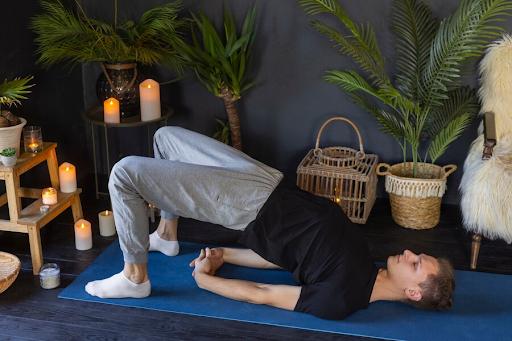
Stress and tension are common challenges in today’s fast-paced world, often leading to physical and mental strain. One effective solution gaining recognition is somatic exercises. These gentle, body-focused movements connect the mind and body, promoting relaxation and mental clarity. In this article, we’ll explore 10 easy somatic exercises to help relieve stress and tension while diving into their benefits for mental health.
What Are Somatic Exercises?

Somatic exercises are practices that focus on reconnecting the body and mind to release physical and emotional tension. Unlike traditional fitness routines, these exercises prioritize awareness and mindfulness over intensity. By focusing on movement and sensations, you can address deeply held stress and trauma in the body.
Many people turn to somatic exercises for trauma, as these movements can help release trauma stored in the body and support emotional healing. They are also highly beneficial for managing stress and anxiety, making them a powerful addition to treatments like anxiety therapy or anger management.
The Science Behind Somatic Practices
The effectiveness of somatic exercises lies in their ability to calm the nervous system. These practices engage the parasympathetic nervous system, which helps the body recover from stress. Research shows that somatic movements can reduce cortisol levels, improve body awareness, and foster emotional regulation.
Whether you’re managing trauma, anxiety, or chronic stress, these exercises provide a holistic way to support treatments such as Cognitive Behavioral Therapy (CBT) or Dialectical Behavioral Therapy (DBT).
Adding Depth to the 10 Somatic Exercises for Stress Relief
Each of the somatic exercises outlined above offers unique pathways to reduce stress and promote emotional and physical well-being. Let’s dive deeper into how these practices work, their significance, and how they can enhance your mental health journey.
1. Body Scanning
Body scanning serves as an excellent entry point into somatic exercises for trauma and stress relief.
- Why It Works: This practice encourages interoception, the awareness of internal bodily sensations, which helps regulate the nervous system. By observing tension spots, you develop a better understanding of how stress manifests physically.
- Pro Tips: Enhance the experience by combining body scanning with gentle music or a guided meditation app. This can deepen relaxation and make it easier to detect areas of discomfort.
- When to Use It: Ideal for winding down after a stressful day or preparing for therapy sessions like Acceptance and Commitment Therapy (ACT) or Psychodynamic Therapy.
2. Diaphragmatic Breathing
This exercise remains a cornerstone of somatic exercises for anxiety and stress management.
- Scientific Backing: Studies show diaphragmatic breathing can lower blood pressure and activate the parasympathetic nervous system, which is responsible for relaxation.
- Extra Tips: Pair breathing with a mantra like “I am calm” or “This too shall pass” to amplify its soothing effects.
- Mental Health Benefits: Regular practice helps reduce symptoms of panic attacks and chronic stress, making it a staple in Cognitive Behavioral Therapy (CBT) programs.
3. Grounding Techniques
Grounding is particularly effective for managing the “fight or flight” response.
- Why It’s Essential: By focusing on the sensations in your feet and their connection to the earth, grounding interrupts anxious thought loops.
- Practical Usage: Use grounding when feeling overwhelmed at work or during social situations to return to the present moment.
- Pair With Therapy: Therapists often recommend grounding for clients navigating trauma or engaging in Prolonged Exposure Therapy.
4. Progressive Muscle Relaxation (PMR)
PMR enhances your ability to identify and release tension.
- Why It’s Powerful: As you systematically tense and relax muscle groups, your brain gets a clear signal to let go of stress.
- Best Practices: Start with the smallest muscles, such as your toes, before progressing to larger muscle groups like the shoulders or jaw.
- Applications: PMR is excellent for those participating in anger management or sessions focused on reducing chronic tension.
5. Gentle Somatic Stretching
This movement-based approach is a fantastic way to reconnect with your body.
- Why Stretching Matters: It increases blood flow to muscles, eases stiffness, and promotes mindfulness.
- Bonus Insight: Combine stretches with aromatherapy, such as lavender or eucalyptus, to enhance the calming effects.
- Mental Health Relevance: This exercise can help boost self-esteem by fostering a sense of self-compassion and physical empowerment.
6. Somatic Meditation
This hybrid of mindfulness and somatic awareness sharpens your ability to notice and interpret body signals.
- Deeper Benefits: By focusing on a single body part, such as your hands, you bring attention to areas often overlooked.
- Advanced Tip: Incorporate visualization, imagining a warm light moving through the focused body part, for an added sense of healing.
- Therapeutic Synergy: A natural fit for Rational Emotive Behavioral Therapy (REBT) and CBT, somatic meditation aids in breaking repetitive negative thought patterns.
7. Shake and Release
One of the more dynamic somatic exercises, this practice is excellent for releasing pent-up tension.
- The Science Behind It: Shaking mimics the natural stress-release mechanisms found in animals, allowing humans to process stored trauma physically.
- How to Enhance It: Add upbeat music or rhythmic drumming to create a more engaging and therapeutic experience.
- Who Benefits Most: Particularly helpful for individuals undergoing trauma-focused therapy or those struggling with chronic stress.
8. Pelvic Tilts
Pelvic tilts are gentle movements that release tension from the lower back and pelvis.
- Why It Helps: These areas often store stress due to prolonged sitting or emotional suppression.
- Take It Further: Combine pelvic tilts with deep breathing to amplify relaxation.
- Relevance in Therapy: Supports overall body relaxation, aiding sessions focused on stress, addiction recovery, and trauma.
9. Mindful Walking
Mindful walking integrates movement and awareness, offering a meditative way to reduce stress.
- Why It Stands Out: Walking mindfully creates a full-body experience of presence, shifting focus from mental chatter to the rhythm of movement.
- Enhance the Practice: Practice in a park or natural setting to amplify the grounding effect.
- Therapeutic Value: A perfect complement to Dialectical Behavioral Therapy (DBT) and anxiety therapy, helping manage intrusive thoughts.
10. Somatic Dancing
Somatic dancing is about free movement that allows for emotional release.
- Why It’s Transformative: Movement facilitates self-expression, often tapping into emotions that words cannot articulate.
- Pro Tip: Experiment with different music genres to see how your body responds, from calming tunes to upbeat rhythms.
- For Whom It’s Ideal: Individuals exploring trauma recovery or dealing with emotional blockages often find this exercise deeply liberating.
Incorporating Somatic Practices Into Everyday Life

Adding these somatic exercises into your daily routine doesn’t require significant time or resources. Start small by dedicating 5–10 minutes to one or two exercises, gradually building your practice.
Pairing Somatic Exercises with Therapy
If you’re already engaged in therapy, integrating somatic practices can enhance the benefits. For instance, clients in CBT, ACT, or Prolonged Exposure Therapy often find that these exercises help solidify therapeutic progress by addressing physical manifestations of stress and trauma.
Customizing for Personal Needs
Choose exercises that resonate with you. For example, if you have a sedentary job, mindful walking or pelvic tilts can counteract the physical toll of sitting. For those experiencing intense emotions, shake and release or somatic dancing can provide an immediate outlet.
By exploring these somatic exercises, you empower yourself to take an active role in managing stress and promoting overall well-being. Combined with professional guidance from Uncover Mental Health Counseling, these practices can pave the way for profound healing.
Incorporating Somatic Exercises Into Your Daily Routine
Adding somatic exercises to your day doesn’t require significant time or effort. Here are some tips to make them part of your routine:
- Start Small: Begin with one or two exercises for 5–10 minutes daily.
- Pair with Therapy: These exercises work well alongside anxiety therapy, relationship therapy, or therapist for depression sessions.
- Make It Mindful: Focus on sensations and movements to deepen your mind-body connection.
For those with busy schedules, online resources and virtual therapy sessions can help you learn and practice these exercises effectively.
Who Can Benefit from Somatic Exercises?
Somatic exercises are an accessible and highly effective way to support mental and physical well-being. These practices tap into the mind-body connection, offering a holistic approach to stress relief, emotional regulation, and overall mental health improvement. They are suitable for anyone looking to reduce tension and improve self-awareness, but they are particularly beneficial for specific groups of people, including those dealing with anxiety, trauma, ADHD, self-esteem issues, and addiction. Here’s a deeper look at how somatic exercises can help these individuals.
1. Individuals Managing Anxiety, Stress, or Trauma
People experiencing anxiety or stress can significantly benefit from somatic exercises. These exercises activate the body’s natural relaxation response, which can counteract the physiological effects of stress and anxiety.
- Anxiety: Anxiety often manifests physically through tension, shallow breathing, and heightened alertness. Somatic practices like diaphragmatic breathing, body scanning, and grounding techniques help reduce physical tension, soothe the nervous system, and foster a sense of presence and calm.
- Stress: Chronic stress can lead to muscle tightness, headaches, and fatigue. Techniques like progressive muscle relaxation (PMR) and gentle somatic stretching promote relaxation by releasing built-up tension in the body, making it easier to manage day-to-day stress.
- Trauma: For those recovering from trauma, somatic exercises can be particularly beneficial. Trauma can get stored in the body, causing physical and emotional distress. Techniques like shake and release, pelvic tilts, and somatic dancing help release stored trauma energy, making these practices especially helpful for individuals undergoing trauma-informed therapies like Prolonged Exposure Therapy or EMDR (Eye Movement Desensitization and Reprocessing).
Somatic exercises can help those affected by trauma feel more connected to their bodies, reducing dissociation and promoting emotional healing. They provide a safe and gentle approach to reconnecting with the present moment without triggering overwhelming emotions.
2. People in Therapy for ADHD, Self-Esteem Issues, or Addiction
Somatic exercises are also beneficial for individuals who are in therapy for ADHD, self-esteem challenges, or addiction. These exercises can complement traditional therapies, helping to reinforce emotional regulation, grounding, and body awareness.
- ADHD: Individuals with ADHD often struggle with focus, attention, and impulse control. Somatic exercises like mindful walking, body scanning, and diaphragmatic breathing can help improve concentration, create moments of calm, and increase overall mindfulness. These exercises support the development of self-regulation skills and can help individuals with ADHD ground themselves when feeling overwhelmed.
- Self-Esteem Issues: Low self-esteem is often linked to negative body image, self-criticism, and a lack of connection with one’s physical self. Somatic exercises that involve gentle stretching, pelvic tilts, or somatic meditation help individuals reconnect with their bodies in a non-judgmental way. This connection fosters a sense of self-acceptance and can reduce feelings of worthlessness or insecurity.
- Addiction: Addiction recovery can involve intense emotional and physical struggles, and somatic exercises provide a way for individuals to release stress and emotional buildup. Practices like shake and release, progressive muscle relaxation, and somatic dancing help regulate emotions and clear emotional blocks. In the context of addiction recovery, somatic exercises can be particularly effective in promoting relaxation, easing cravings, and helping individuals stay connected to their bodies instead of relying on substances for comfort.
3. Those Seeking Complementary Practices for Treatments Like Prolonged Exposure Therapy or Psychodynamic Therapy
Somatic exercises are an excellent complement to more traditional therapeutic modalities, such as Prolonged Exposure Therapy (PE) or Psychodynamic Therapy. These therapies often focus on uncovering and processing deep-seated emotions and trauma, and somatic exercises can support this process by helping individuals stay grounded and regulated throughout their healing journey.
- Prolonged Exposure Therapy: In Prolonged Exposure Therapy, clients confront distressing memories or situations related to trauma. Somatic exercises like grounding techniques and body scanning can help individuals stay present and centered during these exposures. These exercises provide a sense of safety and stability, which is essential for successfully processing trauma-related memories.
- Psychodynamic Therapy: Psychodynamic therapy focuses on uncovering unconscious thoughts and unresolved emotions from the past. Somatic exercises can be beneficial during this type of therapy by helping clients become more aware of bodily sensations that may be linked to repressed emotions. Body-focused practices like somatic meditation or pelvic tilts can allow clients to tap into stored emotions and gain insight into how past experiences affect their present physical and emotional state.
Somatic exercises also promote relaxation and emotional resilience, helping individuals maintain emotional balance during deep psychological work. By integrating somatic practices with psychodynamic or trauma-focused therapy, individuals can facilitate more profound healing and build a stronger sense of emotional stability.
Additional Groups Who Can Benefit from Somatic Exercises
In addition to individuals managing anxiety, stress, trauma, ADHD, self-esteem issues, and addiction, other groups can also experience the benefits of somatic exercises. These include:
- Individuals with chronic pain: Somatic exercises like stretching, mindful walking, and gentle movement can alleviate tension in the body, providing relief from chronic pain conditions.
- People with sleep disorders: Somatic exercises, particularly relaxation-focused techniques like PMR and diaphragmatic breathing, can promote relaxation, reduce insomnia, and improve sleep quality.
- Those undergoing emotional healing: Anyone going through emotional upheaval, such as grief or major life changes, can benefit from the grounding and calming effects of somatic exercises. These practices provide a way to release pent-up emotions, promote emotional expression, and foster resilience.
Why Choose Uncover Mental Health Counseling for Online Support
Uncover Mental Health Counseling specializes in providing tailored online therapy services that incorporate evidence-based approaches and holistic practices like somatic exercises.
- Expert Care: Our therapists are experienced in treatments such as CBT, DBT, and ACT.
- Personalized Plans: We create strategies that address your unique needs, from trauma recovery to stress management.
- Convenience: Enjoy therapy from the comfort of your home.
Take the Next Step: Relieve Stress with Somatic Exercises and Online Therapy
Integrating somatic exercises into your routine can transform how you manage stress, anxiety, and tension. When paired with professional therapy services like anxiety therapy or trauma-focused approaches, these exercises become even more effective.
At Uncover Mental Health Counseling, we are committed to helping you achieve lasting relief and mental well-being. Book an appointment today to start your journey toward a calmer, healthier you.