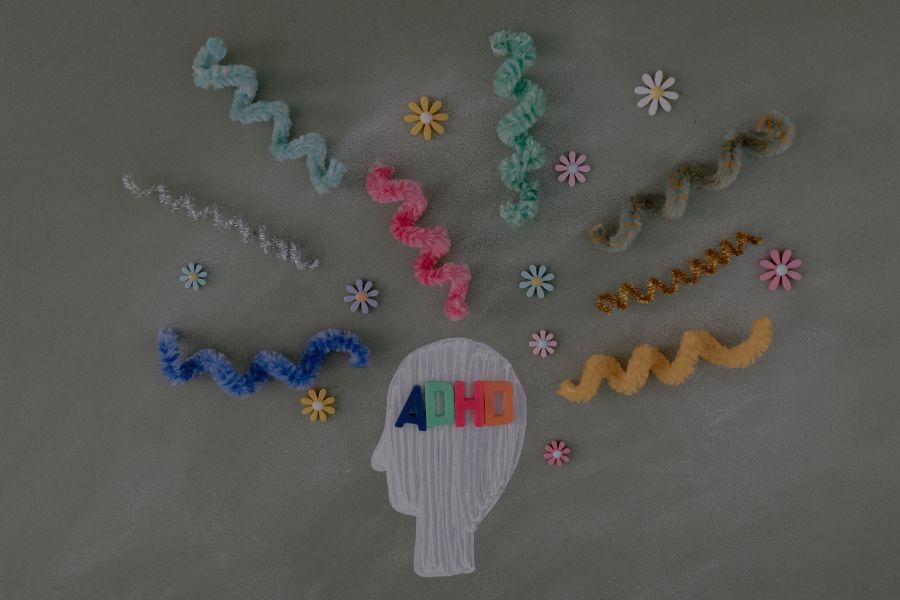
Do kids with ADHD have anger issues? It’s a question that many parents of children with Attention Deficit Hyperactivity Disorder (ADHD) find themselves asking. The short answer? Yes, they often do. But there’s more to it than just that. In this blog, we dive into this complex issue.
What is ADHD?
ADHD, or Attention Deficit Hyperactivity Disorder, is a neurodevelopmental disorder that commonly begins in childhood but can persist into adulthood. It’s characterized by a persistent pattern of inattention, hyperactivity, and impulsivity that interferes with daily functioning and development.
Here’s the three main subtypes of ADHD:
Predominantly Inattentive Presentation:
Individuals with this subtype primarily struggle with inattention. They may have difficulty sustaining attention on tasks, often seem forgetful in daily activities, and may struggle to follow through on instructions or organize tasks.
Predominantly Hyperactive-Impulsive Presentation:
This subtype is characterized by hyperactivity and impulsivity. Individuals may have trouble sitting still, frequently fidget, interrupt others, and act impulsively without considering the consequences.
Combined Presentation:
This subtype involves a combination of inattention, hyperactivity, and impulsivity. It’s the most common presentation of ADHD.
ADHD can impact various aspects of life, including academic performance, social interactions, and relationships. While the exact cause of ADHD is not fully understood, it’s believed to involve a combination of genetic, environmental, and neurological factors.
What is anger?
Anger is a natural and normal human emotion that everyone experiences at some point in their lives. It typically arises in response to perceived threats, frustrations, or injustices and can manifest in various ways, ranging from mild irritation to intense rage.
When we feel angry, our bodies undergo physiological changes, such as increased heart rate, elevated blood pressure, and the release of stress hormones like adrenaline. These changes prepare us for action, prompting the “fight or flight” response that evolved to help us confront or escape from threats.
However, anger becomes problematic when it is expressed inappropriately or excessively, leading to negative consequences for oneself or others. Uncontrolled anger can damage relationships, impair judgment, and contribute to health problems such as high blood pressure and cardiovascular disease.
Unpacking ADHD and Aggression
Unpacking the relationship between ADHD and anger reveals a multifaceted connection that extends beyond mere behavioral challenges. ADHD, or Attention Deficit Hyperactivity Disorder, represents a complex neurodevelopmental condition that profoundly impacts various facets of a child’s life.
While commonly recognized for its hallmark symptoms of inattention, hyperactivity, and impulsivity, it’s essential to understand that ADHD extends its influence far beyond these surface-level characteristics.
At its core, ADHD disrupts the intricate interplay between cognitive functions, emotional regulation, and behavioral control within the brain. This disruption often manifests as a significant impairment in a child’s ability to regulate their emotions and behaviors effectively.
While some children with ADHD may struggle primarily with attention deficits or hyperactivity, others grapple intensely with emotional dysregulation, which can manifest in various ways, including heightened levels of anger.
Imagine trying to navigate the tumultuous waters of childhood while simultaneously battling against a turbulent internal storm of emotions that surge and recede with unpredictable intensity.
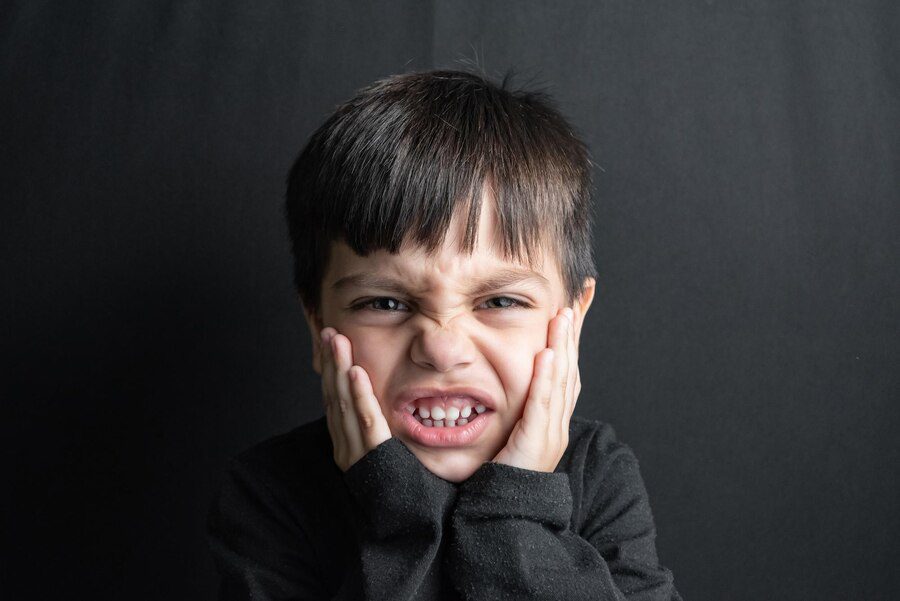
For children with ADHD, this metaphorical storm often takes the form of anger, a powerful and overwhelming emotion that can be triggered by seemingly innocuous events or circumstances.Parents and educators frequently ask, “Do kids with ADHD have anger issues?” because they notice these intense emotional responses.
The connection between ADHD and anger runs deep, intertwining with the disorder’s core characteristics and exacerbating the challenges already inherent in managing its symptoms.
Do kids with ADHD have anger issues more than their peers? Yes Frustration, a common companion to the struggles of ADHD, can quickly escalate into anger when tasks that others find straightforward become insurmountable obstacles for a child with ADHD.
Similarly, impulsivity, a hallmark feature of the disorder, can propel a child into fits of rage without warning, as the brakes on their behavior fail to engage in the face of escalating emotions.
Moreover, children with ADHD often contend with a heightened sensitivity to rejection or criticism, further fueling the flames of anger when they perceive themselves as being misunderstood or unfairly judged.
This sensitivity often leads parents and caregivers to question, “Do kids with ADHD have anger issues more often due to their emotional responses?” The constant barrage of stimuli bombarding their senses can overwhelm their ability to process and regulate emotions effectively, leaving them feeling helpless and out of control.
The Connection Between ADHD and Aggression
Children with ADHD may experience anger and aggression for a variety of reasons:
The connection between ADHD and Aggression runs deep, intertwining with the disorder’s core characteristics and exacerbating the challenges already inherent in managing its symptoms.
Frustration:
Frustration, a common companion to the struggles of ADHD, can quickly escalate into anger when tasks that others find straightforward become insurmountable obstacles for a child with ADHD. Children with ADHD often face a myriad of challenges in their daily lives, ranging from academic tasks to social interactions.
What may seem like simple tasks to others can become monumental hurdles for children with ADHD due to difficulties with attention, organization, and impulsivity.
As a result, they frequently encounter situations where they struggle to keep up or meet expectations, leading to feelings of ADHD frustration. This frustration can quickly escalate into anger, especially when they perceive themselves as failing or falling short compared to their peers.
Impulsivity:
Impulsivity is a hallmark characteristic of ADHD, characterized by a tendency to act without forethought or consideration of consequences. Children with ADHD may struggle to control their impulses, leading to impulsive outbursts of anger in response to perceived provocations or frustrations.
The inability to pause and think before acting can exacerbate conflicts and escalate minor disagreements into full-blown confrontations,, reinforcing the notion that kids with ADHD have anger issues tied to impulsivity.
Emotional Dysregulation:
ADHD can significantly impair a child’s ability to regulate their emotions, leading to intense and unpredictable bouts of anger. Children with ADHD may experience rapid shifts in mood and struggle to manage their feelings effectively.
This emotional dysregulation can make it challenging for them to navigate social situations and cope with stressors, leading to outbursts of anger as a maladaptive coping mechanism, prompting observers to note, do kids with ADHD have anger issues due to emotional dysregulation?
Rejection Sensitivity:
Children with ADHD often contend with a heightened sensitivity to rejection or criticism, further fueling the flames of anger when they perceive themselves as being misunderstood or unfairly judged. They may interpret neutral or even positive feedback as criticism, leading to heightened emotional reactions.
The constant barrage of stimuli bombarding their senses can overwhelm their ability to process and regulate emotions effectively, leaving them feeling helpless and out of control.
This rejection sensitivity can strain relationships and contribute to feelings of alienation and isolation, further exacerbating anger issues,, raising the question, do kids with ADHD have anger issues because of this sensitivity?
Signs of Anger in Children with ADHD
Recognizing anger issues in children with ADHD is crucial for providing appropriate support. Some signs to watch out for include:
- Frequent temper tantrums
- Difficulty calming down after becoming upset
- Aggressive behavior towards peers or siblings
- Verbal outbursts, such as yelling or swearing
- Physical manifestations of anger, such as clenched fists or pacing
- ADHD child hitting parents during moments of intense frustration
Understanding these signs can help in addressing the question, “do kids with ADHD have anger issues?” and provide the necessary support.
5 Strategies for Managing Anger in Children with ADHD

While dealing with anger issues in children with ADHD can be challenging, there are strategies that parents can employ to help their child cope. Understanding how to deal with ADHD aggression is crucial for providing effective support. Here are five strategies to consider:
Consistent Routine:
Children with ADHD thrive on structure and predictability. Establishing a consistent daily routine can provide a sense of stability and security, reducing stress and anxiety levels.
A structured routine helps children know what to expect and can prevent unexpected transitions or disruptions that may trigger anger outbursts. Consistency in meal times, bedtime routines, and daily activities can help regulate their emotions and behavior.
Teach Coping Skills:
Equipping children with ADHD with effective coping mechanisms is essential for managing their anger. Teach them strategies such as deep breathing exercises, progressive muscle relaxation, and visualization techniques to help them calm down when they feel overwhelmed or frustrated.
Encourage them to identify their emotions and express them in healthy ways, such as journaling or drawing. Providing a toolbox of coping skills empowers children to navigate challenging situations and regulate their emotions effectively.
Encourage Physical Activity:
Regular exercise is beneficial for children with ADHD as it helps them burn off excess energy, reduce restlessness, and improve mood. Encourage your child to engage in physical activities that they enjoy, such as biking, swimming, or playing sports.
Physical activity releases endorphins, which are natural mood lifters, and can help alleviate feelings of irritability and tension. Incorporating exercise into their daily routine can contribute to better emotional regulation and overall well-being.
Provide Structure and Boundaries:
Clear expectations and consistent consequences are essential for managing behavior in children with ADHD. Establishing rules and boundaries helps children understand what is expected of them and provides a framework for appropriate behavior
. Be consistent in enforcing rules and consequences, and offer praise and positive reinforcement for desirable behaviors. Setting realistic goals and breaking tasks into manageable steps can help children with ADHD feel more capable and in control, reducing frustration and anger.
Seek Professional Help:
If anger issues persist despite your best efforts, don’t hesitate to seek support from a mental health professional who specializes in ADHD. A qualified therapist or counselor can provide individualized strategies and interventions tailored to your child’s specific needs.
They can also offer support and guidance to help you navigate challenges and strengthen your relationship with your child. Seeking professional help is not a sign of weakness but a proactive step towards supporting your child’s emotional well-being.
Explore the relationship between ADHD and anger issues in children – gain insight today!
Understanding how ADHD can influence anger issues is crucial for effective support and management. At Uncover Mental Health Counseling, we’re here to provide guidance and clarity. Here’s how you can begin:
- Schedule a Free 15 Min Consultation: Connect with Uncover Mental Health Counseling for a complimentary consultation call. Let’s discuss the potential links between ADHD and anger issues in children, explore behaviors, and develop strategies to promote emotional well-being.
- NYC ADHD Specialist Insight: Work with our experienced therapists who specialize in ADHD and child behavior. Together, we’ll examine how ADHD symptoms may contribute to anger outbursts, and explore effective coping mechanisms and parenting strategies.
- Supportive Environment: Immerse yourself in a compassionate space where your concerns are understood and addressed holistically. Our team offers practical tools, unwavering support, and behavioral interventions to help your child navigate challenges and thrive.