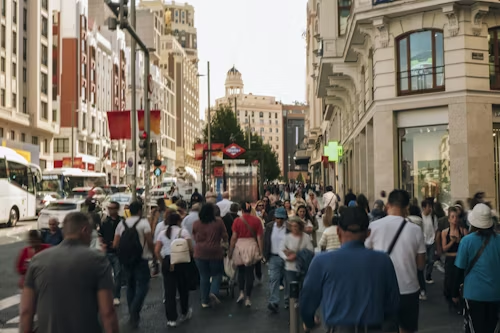
Introvert burnout is a condition that often goes unnoticed, as introverts tend to be more reserved in their struggles. Unlike extroverts, who may thrive on social interaction, introverts tend to recharge by spending time alone. But when the pressures of life, work, and social obligations pile up, introverts can experience a type of burnout that is unique to their personality. In this blog, we will explore what introvert burnout is, the signs and symptoms to look for, and most importantly, how to heal from it. If you are experiencing the effects of introvert burnout, there are effective strategies and therapeutic treatments that can help restore your balance and well-being.
What is Introvert Burnout?

Introvert burnout is a state of emotional, physical, and mental exhaustion that occurs when introverts are overwhelmed by constant social interaction and external demands. For introverts, who often find energy in solitude, prolonged exposure to high-stimulation environments—such as busy workspaces, social events, and demanding relationships—can lead to a depletion of their energy reserves. Over time, this exhaustion can manifest as both emotional and physical symptoms, severely affecting their quality of life.
While burnout can affect anyone, introverts experience a unique form of it that may not be immediately understood by others. The exhaustion that results from feeling overstimulated, drained, and disconnected from their inner world can be devastating.
The Neuroscience of Introverts
Introverts and extroverts experience the world differently, and these differences are reflected in their brain structures and functions. One of the most significant neurological distinctions between introverts and extroverts lies in the prefrontal cortex, a region of the brain responsible for high-level functions such as decision-making, problem-solving, and self-control.
Research has shown that introverts tend to have a thicker prefrontal cortex compared to extroverts. This increased thickness is believed to be linked to the introvert’s tendency to engage in more reflective thinking and deep contemplation. With more tissue in this area, introverts may be more attuned to internal stimuli, which could explain why they are more likely to enjoy solitary activities and have a rich inner life. This heightened brain activity in the prefrontal cortex also means that introverts often process information more slowly and deliberately, which can make them more cautious decision-makers.
On the other hand, extroverts tend to have more active dopamine pathways, which are associated with reward and pleasure. This makes them more drawn to external stimulation and social interactions. Introverts, in contrast, may feel overstimulated in busy or loud environments, preferring quieter, less overwhelming settings.
These neurological differences help explain why introverts may be more reflective, reserved, and cautious, while extroverts thrive in dynamic, social situations. Understanding the neuroscience of introversion not only sheds light on how personality traits are formed but also highlights the diversity in how individuals interact with the world around them.
Signs and Symptoms of Introvert Burnout
Recognizing the signs and symptoms of introvert burnout is essential in addressing it early and finding the appropriate coping mechanisms. The following introvert burnout signs and introvert burnout symptoms are common indicators that you may be experiencing burnout:
1. Emotional Exhaustion
One of the most prominent signs of introvert burnout is emotional exhaustion. This occurs when an introvert’s emotional reserves are depleted from constant social interactions and demands. Introverts may feel like they have nothing left to give, leaving them feeling empty, disconnected, and overwhelmed by even the smallest tasks.
2. Avoidance of Social Situations
Introverts who are burned out may feel the urge to withdraw from social events or interactions. Even those activities that once brought joy or comfort can become sources of anxiety and stress. This avoidance is often a way for introverts to preserve their energy and recharge, but it can lead to feelings of isolation or guilt.
3. Irritability and Mood Swings
As introverts become more drained, they may experience irritability, mood swings, or even anger. When pushed beyond their capacity to handle social interaction, introverts may lash out, become defensive, or withdraw further. These emotional reactions are often a defense mechanism against overstimulation.
4. Physical Symptoms
Introvert burnout doesn’t just affect the mind; it can take a physical toll as well. Symptoms such as headaches, fatigue, difficulty sleeping, and digestive issues may arise. The body responds to the stress of burnout, and when mental exhaustion becomes too much, it can manifest in physical ways.
5. Lack of Motivation and Decreased Productivity
Introverts who are experiencing burnout may find themselves unable to concentrate or complete tasks as efficiently as usual. Work, hobbies, and even simple household chores can feel overwhelming or impossible. This lack of motivation can be a sign that the individual is struggling to manage stress and exhaustion.
6. Increased Anxiety and Depressive Symptoms
For many introverts, burnout can trigger symptoms of anxiety and depression. The constant struggle to keep up with social demands, coupled with a lack of energy, can lead to feelings of hopelessness, sadness, and anxiety. An introvert may feel like they are failing or not living up to expectations, which can further intensify their burnout.
Is Introversion a Trauma Response?
Introversion is often viewed as a personality trait, but some have proposed that it could also be a trauma response. Trauma, by definition, refers to the emotional, psychological, or physical harm caused by past experiences, particularly those that are distressing or overwhelming. According to this perspective, introversion may develop as a coping mechanism for those who have experienced trauma.
For individuals who have faced difficult or harmful situations, retreating inwardly can provide a sense of safety and control. Introversion, in this case, may serve as a way to avoid overwhelming stimuli or social interactions that feel unsafe. Over time, an introverted tendency to seek solitude may become ingrained as a protective strategy, particularly if social environments have been associated with negative experiences in the past.
Similarly, extroversion, though typically seen as the opposite of introversion, could also stem from trauma. Some individuals may seek constant social interaction as a way to fill emotional voids or distract themselves from painful memories.
It’s important to note, however, that introversion is not always a product of trauma. Many people are naturally introverted without any past traumatic experiences. While trauma can shape one’s personality and coping mechanisms, introversion itself is a complex trait influenced by multiple factors, including genetics, environment, and personal experiences.
Understanding that introversion could be linked to trauma for some individuals highlights the importance of addressing past experiences in personal growth and healing, offering a deeper perspective on how we view personality traits.
What Causes Introvert Burnout?
Several factors contribute to introvert burnout, many of which stem from the mismatch between an introvert’s natural need for solitude and the external demands placed on them. Common causes include:
1. Overstimulation from Social Environments
For introverts, social environments can be draining. Whether it’s a busy workplace, family gatherings, or crowded events, too much external stimulation can overwhelm an introvert. This overstimulation can lead to cognitive overload, making it difficult for introverts to process their thoughts or manage their emotions.
2. Chronic Stress
Workplace pressure, personal responsibilities, or ongoing life challenges can contribute to high levels of stress, leading to burnout. Introverts may internalize stress more than extroverts, often bottling up emotions and failing to express their needs, which can worsen their feelings of exhaustion.
3. Lack of Personal Space
Introverts require solitude to recharge their mental and emotional batteries. When they lack sufficient alone time, they are more likely to experience burnout. Constant interaction with others—whether through work, family, or social commitments—can quickly deplete their energy reserves.
4. High Expectations
Introverts may place high expectations on themselves, feeling the need to meet societal or personal standards of productivity and social engagement. This pressure can contribute to burnout, as they struggle to balance their inner need for rest with external demands.
The Greatest Weakness of an Introvert That Can Lead to Burnout
One of the greatest weaknesses of introverts that can contribute to burnout is their sensitivity to external stimuli. While introverts often excel in focused, independent work, they are easily distracted by their environment. The constant presence of noise, interruptions, or chaotic surroundings can overwhelm their senses and hinder their ability to concentrate.
Although introverts are typically kind and reserved, they may not always express their frustrations when disrupted. They might tolerate constant interruptions or unsolicited social engagement, but over time, this can build up and lead to emotional exhaustion. The inability to maintain focus on tasks can make introverts feel unproductive, frustrated, and mentally drained.
This sensitivity to distractions can be especially challenging in workplaces or social settings that demand high levels of interaction or fast-paced decision-making. When introverts are forced to constantly shift their attention or deal with frequent disruptions, it can lead to cognitive overload and burnout.
To help prevent burnout, it’s important for introverts to establish environments where they can work or relax without unnecessary distractions. Setting clear boundaries and communicating their need for quiet or uninterrupted time can help introverts recharge and maintain their well-being. Understanding and respecting their need for focus can allow introverts to perform at their best without reaching a point of exhaustion.
How to Heal from Introvert Burnout

Healing from introvert burnout requires a combination of self-care, boundary-setting, and support from mental health professionals. Here are some strategies to help you recover and regain your sense of balance:
1. Prioritize Alone Time
To heal from introvert burnout, the first step is to make time for yourself. Set aside periods of solitude where you can unwind, engage in activities that replenish your energy (such as reading, journaling, or nature walks), and focus on self-reflection. This alone time is essential for restoring emotional equilibrium.
2. Set Boundaries
Learning to set boundaries is crucial for avoiding burnout in the future. It’s important to recognize when you’re overcommitting or overextending yourself socially. Politely decline invitations or requests for social interactions when you feel it will be too much. Setting clear boundaries allows you to protect your energy and avoid unnecessary stress.
3. Practice Mindfulness and Meditation
Mindfulness and meditation practices are powerful tools for calming the mind and reducing stress. Regular meditation can help introverts stay grounded, manage overwhelming thoughts, and create a sense of peace. Mindfulness also fosters greater self-awareness, which can help introverts recognize when they’re nearing burnout and need to take action.
4. Seek Professional Therapy
If introvert burnout is affecting your ability to function or causing significant emotional distress, seeking therapy can be incredibly helpful. Therapy provides a safe space to explore your feelings, identify the root causes of burnout, and develop strategies for managing stress.
- Anxiety Therapy NYC can help you address feelings of anxiety and stress that contribute to burnout.
- Therapist for Depression in NYC can provide support for feelings of hopelessness or sadness that often accompany burnout.
- Stress Management NYC can teach you effective coping techniques to manage overwhelming demands and restore balance.
5. Engage in Self-Care Practices
Engaging in self-care activities can significantly improve your mental and physical well-being. This can include exercising, getting enough sleep, eating nourishing foods, and engaging in hobbies that bring you joy. Incorporating regular self-care practices into your routine can reduce stress and prevent future burnout.
6. Cognitive Behavioral Therapy (CBT)
CBT is an effective treatment for introvert burnout, as it helps individuals identify and challenge negative thought patterns that contribute to burnout. Through CBT, you can learn how to reframe unhelpful beliefs and adopt healthier coping strategies for managing stress and social exhaustion.
Overcoming Introvert Burnout
Introvert burnout can be a silent struggle, but it is a challenge that can be overcome with the right tools and support. By recognizing the introvert burnout signs and introvert burnout symptoms, setting boundaries, practicing self-care, and seeking professional help, introverts can heal and regain their energy. Remember, taking time for yourself is not selfish—it’s necessary for your well-being.
If you’re struggling with introvert burnout, Uncover Counseling offers support through a range of services, including Anxiety Therapy NYC, Stress Management NYC, and Therapist for Depression in NYC. Therapies such as Acceptance and Commitment Therapy (ACT), Psychodynamic Therapy, and Cognitive Behavioral Therapy (CBT). Our team of therapists is here to help you navigate the emotional toll of burnout and develop strategies for healing and self-care.Book an appointment to learn more about how we can support your journey toward recovery.