In today’s fast paced world, teenagers are dealing with so many things, and it’s like an endless stream of obstacles that add to their stress. From school demands that pile up, to the whole task of handling social media, everyday pressures teens face are sometimes complicated, and multifaceted, like they come from everywhere at once. Figuring out what the key stress triggers for young people actually are is important, for parents, teachers, and teens too, if they want to manage the pressure of modern life in a more steady way. This blog sort of walks through the biggest stressors for teens, with some practical insights and strategies so they can respond effectively, not just endure it.
The Weight of Expectations: Schoolwork and Academic Pressure
Why Academic Pressure is a Leading Stressor
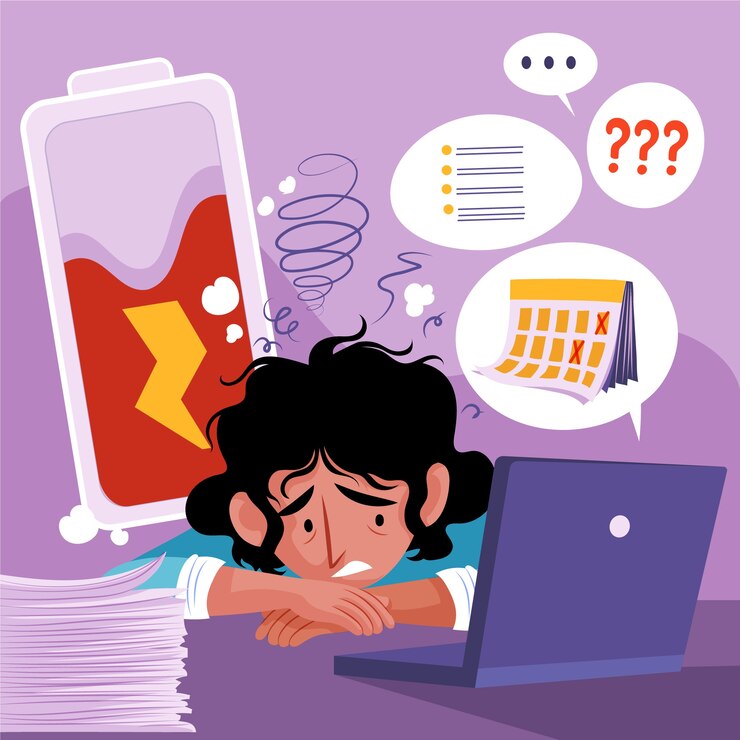
Academic pressure is, like, a leading stressor for a lot of teens. Academic performance can be a big source of strain, and honestly the competition keeps growing for college admissions, standardized tests, and the expectation to do really well in extracurricular activities too. That mix can easily become overwhelming anxiety and personal pressure, because you kind of feel like you have to keep up all the time.To help, some schools are now making quick, catchy awareness clips, using an AI video generator or an Instagram reel maker. They use modern AI video creation tools to walk students through practical stress-relief techniques. Also, one of the interesting facts about stress is that teens often say schoolwork is their top stressor, based on surveys, and that part shows up again and again..
Signs of Stress in Teens Related to Schoolwork
Parents and educators need to notice signs of stress in teens that are tied to school pressures, for example:
- Trouble focusing, even for a short time
- Grades that start to slip down
- Avoidance , of school related activities
- Physical hints like headaches or belly aches which can show up out of nowhere
Strategies to Alleviate Academic Stress
- Time management: teaches teens to decide what matters first and to steer their day plans, so they don’t feel like everything is crashing in at once.
- Encourage breaks: little pause moments during study stretches can sharpen attention and increase output, in a kind of steady way.
- Open communication: set up a space where teens feel safe enough to talk about their school hurdles , not just swallow them quietly.
Expanding on Academic Pressure
Different school systems and educational policies seem to matter a lot in how teen stress levels end up, kind of forming in the background. For example, teens in competitive private schools may feel this extra pressure to excel , while students in public schools often have to deal with larger class sizes and fewer resources overall. Those academic demands are among the common significant stressors for young people these days, even if it doesn’t always look obvious at first. Parents can help too, by suggesting calendar apps or task management software so teens can sort their workload in a more reasonable way. Also, talking with an Anxiety Therapist NYC can be a solid step, since it can help teens build coping strategies for school related stress , not just “study harder” and hope for the best.
The Double-Edged Sword of Social Media
Social Media: A big source of stress, not just “fun”
Honestly, social media can feel like a way to stay connected, but it’s also one of the major sources of stress for teens today. The nonstop pressure to keep up a carefully edited online self, that fear of missing out (FOMO) feeling , and getting exposed to cyberbullying all stack up and can really affect teen stress levels.
Some interesting facts about stress and social media
- Research shows that when social media use gets excessive, it tends to be tied to higher anxiety and depression levels in teens.
- Also, teens spend about 7 hours a day on screens, so they’re constantly running into content that can be stressful , or at least pretty triggering.
How to recognize social media stress, and not ignore it
Parents and teens should look out for signs that stress is getting tangled up with social media, like:
- Frequent mood swings , or sudden irritability
- Pulling away from in person activities
- Being overly focused on likes, comments, or followers
Ways to manage stress that social media can cause
- Set boundaries: cut down screen time and nudge more offline interaction.
- Build digital literacy: help teens learn how to judge the content they see, not just absorb it.
- Encourage real world connection: remind them that social platforms often show an idealized version of reality, not the full story.
Extra insight about social media stress
Platforms like Instagram and TikTok are especially known for reinforcing unrealistic standards of beauty and success. To make this less powerful, parents and educators can set up regular conversations about the gap between online portrayals and real life. And yes, mental health professionals who offer Stress Management NYC services can help teens develop calmer, healthier habits around social media too.
Peer Pressure and the Desire for Acceptance
How Peer Relationships Influence Stress
Peer relationships and stress kind of go together, because teen life isn’t just grades or home stuff, it’s also about who’s watching, who’s talking , and where you “fit.” Peer pressure counts as one more major piece of the everyday stress many teens feel. When they really want to fit in, or be accepted by the right crowd, it can push them toward risky choices, or make them bend their values, even if they don’t mean to.
10 things about Teenage stress and Peer pressure:
1. Teens often put peer approval before parental advice , like it’s the final answer
2. Constant social comparison can make feelings of inadequacy get louder
3. Peer pressure is a big driver behind substance abuse among teens
4. Teens who feel socially isolated tend to experience more stress
5. Supportive peer bonds can ease stress levels quite a bit
6. When peers accept you it can activate the brain’s reward system, which then makes it harder to refuse bad ideas
7. Negative peer influence can also cause academic slipping
8. Being left out can spark depression and anxiety, not just sadness
9. Teens who have smaller friend circles often report lower stress overall
10. Healthy and balanced peer relationships can build resilience over time
Spotting Peer pressure stress
Some signs show up, like:
- Sudden shifts in behavior
- Trying out risky activities
- Pulling away from family or longtime friends
- Less talking, more shutting down, stuff like that
Ways to cope with peer pressure
- Try encouraging assertiveness: teach teens to say no, and actually stick with what they believe.
- Build self esteem: help them develop a solid sense of personal worth, not just approval chasing.
- Offer steady support: be a reliable source of reassurance and guidance, so they don’t feel alone in it.
Peer pressure a little further, because it gets complicated
Social groups or cliques at school can have a real impact on teens, sometimes it makes stress worse, and sometimes it helps it calm down. That’s why schools should bring in programs that improve inclusivity and empathy among students. And for teens who are struggling with peer dynamics and all that emotional noise, Self Esteem Therapy in NYC can offer very practical and helpful support.
Family Dynamics: Stress at Home
The Role of Family in Teen Stress
Family stuff like parental conflict, super high expectations, or just a plain inability to talk openly can become a very common stress trigger for teens. When the home feels a bit tense, like constantly, it can mess with a teen’s mental health in a real noticeable way, not just emotionally but also day to day.
Signs of Stress in Teens That Come From Family Issues
- Teens may start avoiding family interactions, like they “don’t want to be around” anymore
- There can be more irritability or even sudden anger, than before
- Schoolwork might slip, so academic performance can drop
Ways to Reduce Family-Induced Stress
- Promote open dialogue: encourage teens to share what they’re feeling, without worrying about judgment or consequences
- Establish routines: when things follow a steady pattern, it can create a feeling of safety, it kinda anchors them
- Seek professional help: family therapy can help uncover deeper issues and also repair the flow between everyone
Deepening the Discussion on Family Stress
And then there’s the extra layer for teens from immigrant families, or first generation households. Cultural expectations can pile on more pressure, they turn into extra stressors for young people, even when everyone “means well.” In those cases, culturally aware support matters a lot, like counseling that actually gets the context. Options such as working with a Trauma Therapist NYC can be instrumental, because it helps bridge family dynamics with the teen’s own needs, even when the communication style is complicated.
The Pressure of Future Planning
Stress Over College and Career Choices
When teens start nearing adulthood , the whole idea of where to study, or which work direction to take starts to feel like a big weight. It’s kinda the uncertain future , that sort of vague “what if” that can really spark anxiety and self doubt.
Interesting Bits About Stress and Future Planning
- Over 70% of teens say they feel overwhelmed just thinking about choosing a career route.
- A lot of teens feel pushed to follow careers that match their parents expectations , not necessarily the things they actually want.
- When teens get exposed to career possibilities in middle school , it can lower the stress they’d later feel in high school.
- Some teens do better when they can join internships that match their interests , that real-world taste helps.
How to Manage Stress Linked to the Future
- Offer guidance : work with teens to check out their strengths and interests, in a practical way.
- Encourage flexibility : remind them career paths can shift over time, it’s not carved in stone.
- Lower the pressure : stress effort, growth, and learning more than any one specific result.
More Helpful Guidance for Future Planning
Vocational counseling , plus seeing a wider mix of job options , can reduce stress a lot. Schools and parents should also treat choices like gap years or vocational training as normal. Teens who feel stuck or unsure about what’s ahead might also benefit from meeting an ADHD Specialist NYC, to dig into their own strengths, and how they learn best.
Coping with Global and Societal Issues
The Growing Impact of Global Challenges
Honestly, from climate change to political unrest, these kinds of global and societal issues are showing up as pretty common stressors for teens. And it’s not just the events themselves, it’s also the constant exposure to news, plus social media that kinda keeps it in their face, all the time.
Spotting global stress in teens
You might notice things like :
- frequent feelings of helplessness or fear, like it never really ends
- pulling back from conversations about what’s happening
- getting stuck on global crises, almost obsessively, even when they try to stop
Balancing awareness with mental health
- Try to limit exposure: encourage teens to take short breaks from consuming news, even a day can help
- Then promote activism: help them turn worries into something useful, for example volunteering or community support
- Also support mental health: services like Therapist for Depression in NYC can give teens a safe space to sort through emotions and what’s happening inside their head, in a steadier way
The Hidden Toll of Sleep Deprivation

Sleep as a Stress Amplifier
Sleep loss is both a symptom, and a driver of stress and it kind of messes with everything, for teens mostly. When you do n’t get enough sleep, the usual stressors feel stronger too, and this shows up in mood , school results, and that general sense of well being.
10 Facts About Teenage Stress and Sleep
- Teens usually need 8-10 hours, but many end up with under 6 .
- Stress hormones seem to rise when sleep gets short, like it’s automatic.
- Not sleeping well is tied to a higher chance of depression and anxiety.
- Teens who are sleep-deprived are more likely to get irritated and swing in mood.
- Having a steady sleep routine supports academic performance, more than people think.
- Too little sleep hurts decision making, and it also weakens memory.
- The blue light from phones and screens delays melatonin, and that matters.
- Starting school early keeps pushing chronic sleep deprivation forward.
- Physical exercise helps improve sleep quality for teens, kind of steadily.
- Relaxation skills, like deep breathing, can make falling asleep easier.
Addressing Sleep-Related Stress
- Try a bedtime rhythm: set and keep a consistent sleep schedule, as much as possible.
- Cut down screen time before bed: blue light exposure can disturb sleep quality and timing.
- Support calming practices: mindfulness or similar techniques can help sleep.
- Get professional support: Acceptance and Commitment Therapy, or Cognitive Behavioral Therapy, can help teens build better sleep habits.
Effective Therapies for Stress Management in Teens
When teens are dealing with stress, there are effective therapies that can help , in a real practical way. Professional therapy often helps them form healthier coping skills and manage everything more smoothly, even if it feels messy at first.
Cognitive Behavioral Therapy (CBT): this one tends to help teens shift negative thought patterns that show up with stress, anxiety and that heavy academic pressure. It’s kind of like retraining the brain, gently but consistently.
Dialectical Behavioral Therapy (DBT): focuses on emotional regulation , mindfulness, and resilience during tough moments, even when emotions feel loud or confusing. It’s not just calm down it’s more, learn how to steer.
Psychodynamic Therapy: explores the deeper emotional stuff, including underlying issues and also family related stressors, so the teen can understand why certain feelings keep returning.
Acceptance and Commitment Therapy (ACT): encourages teens to accept difficult emotions rather than fighting them all day , and then move forward by choosing actions aligned with their personal values.
Rational Emotive Behavioral Therapy (REBT): challenges unhealthy beliefs that feed stress and perfectionism. Basically it targets the “must be perfect” idea that can quietly wreck everything.
Prolonged Exposure Therapy: supports teens experiencing trauma related stress, by helping them process difficult experiences safely, step by step, over time.
Empowering Teens to Handle Stress, kind of better than before
Getting to know the usual stressors for teens is the first step, in a way, to help them manage everything more effectively. Between academic pressures and social media, plus family dynamics, and the whole future planning thing, today’s teens deal with a whole bunch of stress triggers that really need steady, comprehensive support
When people notice the signals of stress in teens, and then try practical strategies to meet those pressures, parents, educators, and teens themselves can help build resilience and overall well-being. Also, here’s one of the more interesting pieces about stress, it’s often manageable when the right tools and support are there. So let’s work together to empower the next generation, so they can move through life’s difficulties with confidence, at Uncover Mental Health Counseling.
Book an appointment today, to help reduce stress and support healthy mental health.
Frequently Asked Questions About Common Stressors for Teens
What are the most common stressors for teens today?
A lot of teens deal with school pressure, social media stuff, peer push, family problems, not getting enough sleep , and worrying about what’s next, like the future , or whatever comes after.
How can parents notice teenage stressors in their kids?
Sometimes it shows up as sudden mood shifts, more irritability, pulling away, grades that start slipping, changes in sleep , or they keep saying they’ve got headaches and stomachaches.
Why is social media such a big stressor for teens?
Because it can keep feeding comparison all the time, plus cyberbullying, and that whole FOMO thing. It can also create unrealistic expectations and make anxiety start swelling, while self-esteem tends to sag a bit.
How do schoolwork and academics contribute to teen stress?
Exams, homework, college prep, and the pressure to do well, can feel like too much , and it can leave them overwhelmed, pretty quickly too.
What are healthy ways teens can cope with stress?
They can try to get enough rest, stay active, reduce screen time , do mindfulness, talk with trusted adults, and if things are really heavy, reach out for counseling, or therapy if it’s needed.