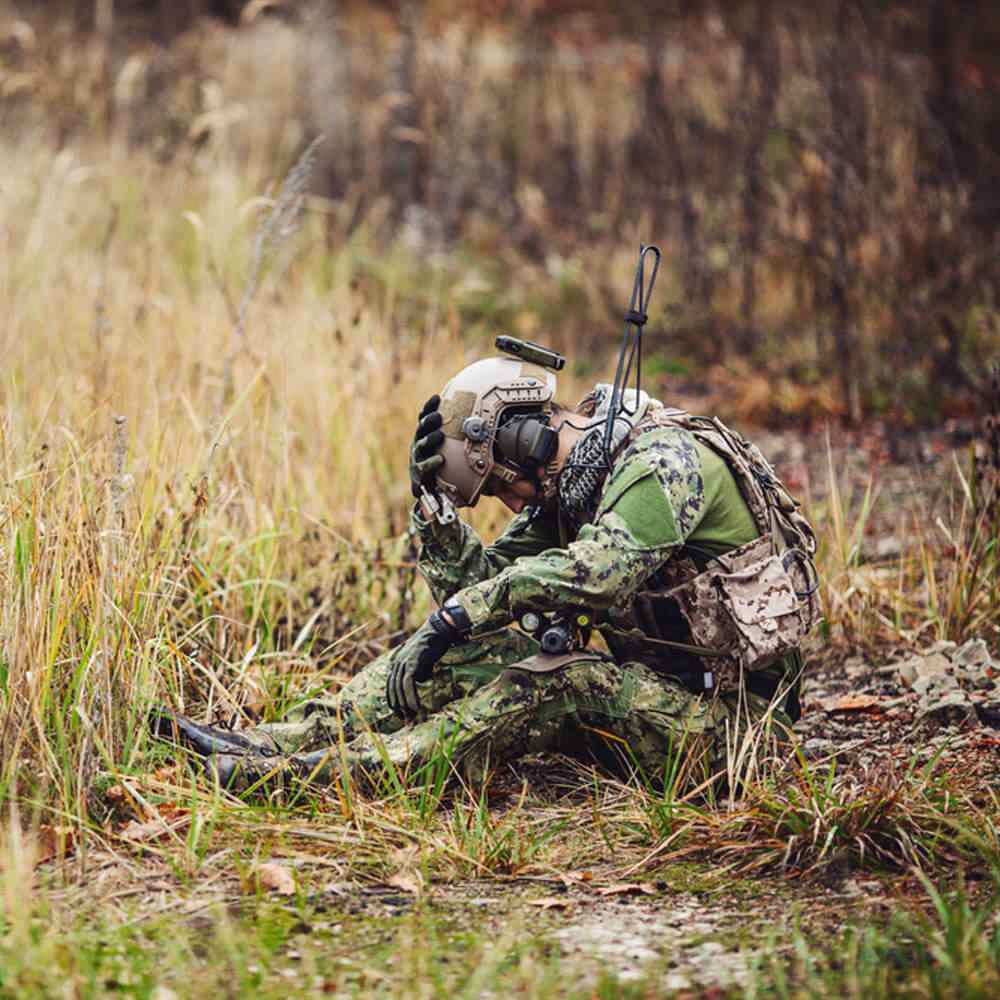
There is a specific kind of devastation that comes not just from what happened, but from who did it.
A partner’s infidelity. A parent who was supposed to protect you and chose not to. A close friend who took something private and made it public. A mentor who abused a position of trust. The harm itself is one layer. The fact that it came from someone you depended on, someone whose safety you had already decided, is another. And the two layers together produce something more disorienting than either would alone.
Betrayal trauma is a clinical concept, not just a colloquial description of hurt feelings. It refers specifically to trauma that occurs within relationships of dependency and trust, and it carries a particular set of consequences that require a therapist who understands what makes it distinct.
At Uncover Mental Health Counseling, we work with adults across New York City who are trying to find their footing after a betrayal that changed not just the relationship but their sense of what is real. Finding a therapist for betrayal trauma who understands this distinction is often the first step
What Makes Betrayal Trauma Different from Other Trauma
The term betrayal trauma was developed by researcher Jennifer Freyd to describe a specific form of trauma that occurs when someone who holds power over you, or whom you depend on for safety, is also the source of harm.
What makes this distinct is the bind it creates. With trauma from an external source, a stranger, an accident, a natural disaster, the mind can organize the threat as coming from outside. With betrayal trauma, the threat came from inside the relationship, from the person or people whose safety you had already incorporated into your sense of the world. That integration is precisely what makes the violation so destabilizing.

Research on betrayal trauma documents how this bind often produces a specific response: the mind minimizes or fails to fully process the betrayal, particularly when maintaining the relationship feels necessary for survival or wellbeing. This is not denial in the pejorative sense. It is an adaptive response to an impossible situation.
How betrayal trauma differs from other forms of trauma:
The source of safety is also the source of harm. This creates a fundamental disruption to the internal model of who is trustworthy. Other trauma is terrible. Betrayal trauma also breaks the instrument you use to evaluate safety.
It often involves a sustained period of not knowing. Many betrayals involve a period during which something was wrong but not yet visible. The discovery moment is traumatic, but so is the retrospective realization that the ground was shifting underneath you before you knew it.
It carries specific cognitive consequences. Questions like “what is real,” “what else don’t I know,” and “how did I not see it” are not rumination for its own sake. They are the mind trying to rebuild a coherent picture of reality after the previous one proved unreliable.
It produces a grief that is hard to name. You are grieving the relationship, the future you expected, the version of the person you thought you knew, and sometimes the version of yourself that trusted them. Disentangling those threads takes time and clinical support.
What Betrayal Trauma Can Look Like
Betrayal trauma does not always present as what people think of when they think of trauma. It is not always flashbacks or an inability to function. It can be quieter than that, and more insidious.
- A hypervigilance in relationships that was not there before, scanning for signs that it is happening again
- Difficulty trusting your own perceptions, second-guessing what you see and hear in ways that are new
- Intrusive memories or images that surface without warning, often at night or during quiet moments
- A numbness or emotional flatness where feeling used to be
- Intense emotional reactivity to things that seem small, because they connect to something much larger
- Difficulty being fully present, a sense of watching your own life from a slight remove
- Physical symptoms: disrupted sleep, appetite changes, chronic tension, a body that will not fully settle
- Oscillating between wanting to understand exactly what happened and needing to not think about it at all
As Kristie Tse, LMHC-D, describes it: “What I see most consistently in clients with betrayal trauma is a fractured relationship with their own perception. They knew something was wrong before they had evidence. They were told they were imagining it. When the truth came out, it confirmed not just that they had been harmed but that their reality had been actively managed. That is a specific kind of damage.”
The Gaslighting Layer
Many betrayals involve not just the harm itself but an active effort to conceal it, which often means the person being betrayed was made to doubt their own perceptions along the way.
Being told you are too sensitive, too suspicious, too jealous, when your instincts were in fact accurate is a form of harm that sits alongside the betrayal and compounds it. Therapy addresses both layers: the trauma of what happened and the erosion of self-trust that the concealment produced.
Rebuilding confidence in your own perception is often one of the most significant pieces of the work, and one of the most meaningful outcomes for clients who have been through this.
Types of Betrayal Trauma We Work With
Betrayal trauma is not limited to romantic infidelity, though that is one of the most common presentations. At Uncover, we work with clients across a range of betrayal experiences:
Infidelity and relational betrayal. Sexual or emotional infidelity, secret financial behavior, hidden addictions, and other forms of fundamental dishonesty within a partnership. The discovery of a double life, even a partial one, produces a specific kind of disorientation that requires targeted clinical support.
Family betrayal. Abuse, neglect, or boundary violations by parents or caregivers. Betrayal by a sibling. Being scapegoated within a family system. These betrayals are particularly complex because the relationship often cannot be cleanly ended, and the history is long.
Professional and institutional betrayal. Harassment or abuse by a mentor, supervisor, or colleague. Institutional betrayal, when an organization failed to protect you or actively covered up harm. This form is often underrecognized but carries the same clinical weight.
Friendship betrayal. The violation of a close friendship through disclosure of private information, disloyalty, or active harm. Friendship betrayal is often minimized socially, but its clinical impact can be significant, particularly when the friendship was a primary source of support.
How Therapy for Betrayal Trauma Works
Betrayal trauma requires a therapist who understands both the trauma dimension and the relational dimension, because the two are inseparable. Treating it as purely a trauma response, without addressing the relational rupture and the identity disruption, leaves the work incomplete. Treating it as purely a relationship problem, without addressing the trauma physiology, leaves the client stuck.
Stabilization first. Before processing the trauma narrative, effective treatment builds the capacity to manage the acute symptoms. This means developing tools for the intrusive memories, the hypervigilance, the sleep disruption, and the emotional volatility that make daily functioning difficult. Trying to process trauma content before the nervous system has enough stability often retraumatizes rather than heals.
Processing the trauma. Once stabilization is established, the work moves toward actually processing what happened. This may involve trauma-focused approaches such as EMDR, somatic therapy, or IFS, depending on what fits the client’s needs. The goal is not to stop thinking about what happened. It is to metabolize it, to move it from raw and intrusive to integrated and resolved.
Rebuilding the internal narrative. Betrayal trauma disrupts the story you were telling about your life. Therapy helps you construct a new narrative that is honest about what happened, that does not blame you for trusting, and that leaves room for a future that is not organized entirely around the loss.
Addressing the anxiety and hypervigilance. The scanning, the difficulty relaxing into relationships, the constant low-level monitoring for signs of danger, these are anxiety responses that develop in the wake of betrayal and require direct clinical attention alongside the trauma work.
Working through the grief. Betrayal trauma involves real losses and they need to be grieved: the relationship, the future, the version of the person, and often a version of yourself that existed before you knew. Trauma therapy that does not make room for this grief is doing only part of the work.
Betrayal Trauma in New York City
The specific context of New York shapes how betrayal trauma is experienced and processed in ways worth naming.
The city rewards self-sufficiency and makes it easy to stay functional through almost anything. Many clients with betrayal trauma are getting up, going to work, performing their lives entirely normally, and managing something internally that is genuinely destabilizing. The external competence makes it easy to tell yourself you are fine. It also makes it easy for the people around you to believe it.
The social layer adds complexity. In a city where social circles are dense and overlapping, a betrayal by a partner or close friend often means navigating shared spaces, mutual connections, and public-facing versions of the relationship at the same time as the private devastation. The expectation to manage the social fallout gracefully while actively in trauma is one of the more exhausting realities our clients describe.
The pace of the city also works against the kind of slow, spacious processing that betrayal trauma requires. New York does not offer much cultural permission to not be okay for an extended period. Therapy creates that permission structurally, in a container that holds the pace the work actually requires.
What to Look for in a Therapist for Betrayal Trauma
Trauma-specific training. Betrayal trauma is a clinical specialization, not a general life experience that any therapist can address. Look for explicit trauma training, familiarity with betrayal trauma theory, and experience with the specific presentations it produces.
Familiarity with complex relational dynamics. The most effective betrayal trauma therapists understand attachment, relational power dynamics, and the ways that love and harm coexist in complex relationships. This is not a simple story of victim and perpetrator, and the best clinical work does not treat it as one.
No agenda about outcomes. A good betrayal trauma therapist does not have a predetermined view about whether you should stay in or leave the relationship, reconcile or cut contact, forgive or not. Those are your decisions. The therapist’s job is to help you access your own clarity, not to substitute their judgment for yours.
Cultural competence. For clients whose betrayal is compounded by cultural expectations about family loyalty, the shame of disclosing private matters outside the family, or community contexts where leaving a relationship carries significant social cost, a therapist who understands those layers is essential. Many of our clients at Uncover carry both the betrayal and the cultural weight of what addressing it requires.
How We Work at Uncover Mental Health Counseling
Uncover Mental Health Counseling is a virtual private pay practice serving adults across New York State. We do not work with insurance, which means treatment is shaped entirely by clinical need.
Relationship therapy at Uncover draws on attachment theory, trauma-informed approaches, IFS, somatic work, CBT, and EMDR-informed techniques depending on what each client needs. The first step is a free consultation with no pressure to commit.
Frequently Asked Questions
Is betrayal trauma the same as PTSD?
Betrayal trauma can meet the clinical criteria for PTSD, and it often does. But it does not have to reach that threshold to warrant clinical support. The specific features of betrayal trauma, the disruption to self-trust, the relational complexity, the particular grief it produces, are worth addressing regardless of whether a formal PTSD diagnosis applies.
How long does healing from betrayal trauma take?
There is no honest universal answer. It depends on the severity and duration of the betrayal, what it connected to in the earlier history, how much support is available, and what goals feel complete. Some clients find significant resolution in a few months of focused work. Others are working through layered histories that take longer. A good therapist will give you an honest assessment early and revisit it as the work develops.
Do I have to decide what to do about the relationship before I start therapy?
No. Many clients come in the acute phase, before they have made any decisions, before they fully understand the scope of what happened, and before they know what they want. That uncertainty is not a barrier to starting. In many cases, therapy is exactly the place where that clarity eventually develops.
I keep minimizing what happened. Is that normal?
Yes, and it is consistent with betrayal trauma specifically. The research on betrayal trauma documents how the mind manages unbearable information, particularly when the betrayer was also a source of safety or dependency. Minimizing is not weakness. It is a protective response, and therapy works with it rather than trying to override it.
What if the person who betrayed me is also someone I still love?
That is one of the most common and most painful aspects of betrayal trauma: the coexistence of love and harm, of grief for the relationship and anger about what happened, of wanting things to have been different and knowing they were what they were. Good therapy holds all of that without demanding that you resolve the contradiction before you are ready.
Ready to Start Rebuilding after Betrayal Trauma in NYC?
Betrayal trauma does not heal on its own timeline just because you decide to move on. It heals through supported, intentional work with a clinician who understands what you are actually dealing with.
Uncover Mental Health Counseling connects you with a therapist for betrayal trauma, offering virtual care across New York State
Book a free consultation to get started with a therapist for betrayal trauma in NYC
About the Author
Kristie Tse, LMHC-D (NY License #009672) is the founder of Uncover Mental Health Counseling, a virtual private pay practice in New York State. She specializes in attachment, relationships, anxiety, and identity with high-achieving adults, and has a particular focus on Asian American adults, LGBTQ+ individuals, and first-generation Americans. Her work has been featured in HuffPost, Verywell Mind, Well+Good, and Bustle.