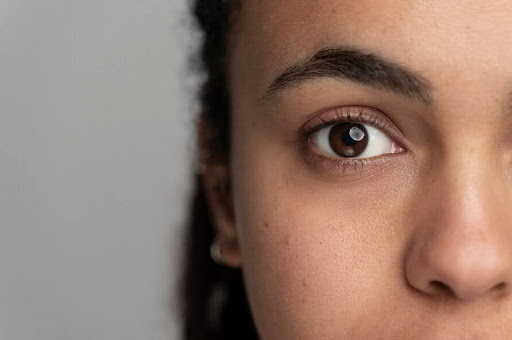
Depression dark circles eye concerns are common because depression can directly affect sleep, stress levels, and overall physical health. These changes often lead to visible dark circles under the eyes due to poor circulation, fatigue, and increased cortisol levels.
Depression eye bags and under-eye puffiness can also appear when depression disrupts normal sleep patterns and increases fluid retention in the body. Over time, these changes affect skin tone and make the under-eye area look darker and more tired.
Under-eye circles depression is often linked to more than just appearance, as depression can impact energy levels, appetite, and self-care habits. These factors combine to make the thin skin under the eyes more sensitive and prone to discoloration.
Dark circles under the eyes are often dismissed as a cosmetic issue, but depression dark circles eye symptoms can reflect deeper emotional and physical strain. Many people experiencing depression eye bags also report fatigue, stress, and difficulty maintaining regular routines.
There is a strong connection between depression, eye health, stress, and sleep, which makes under-eye circles depression a meaningful indicator of overall well-being. These changes are not just surface-level concerns but often signal internal imbalance.
In this guide, we explain why depression can cause dark circles and depression eye bags, how to address both emotional and physical symptoms, and when to seek professional support.
If depression is affecting your daily life, Uncover Mental Health Counseling offers virtual therapy across New York State, including NYC neighborhoods like Manhattan, Brooklyn, Queens, the Bronx, and Staten Island. Support is available online from home or anywhere with privacy and convenience.
Can Depression Cause Dark Circles and Eye Bags?
Yes. Depression can cause dark circles and eye bags due to poor sleep, increased stress hormones (like cortisol), fatigue, inflammation, and reduced self-care. These changes affect blood flow and skin health under the eyes, making the area appear darker, puffy, or more tired.
Dark circles linked to depression are not just cosmetic—they often reflect underlying sleep disruption and emotional stress.
Depression and Dark Circles: What’s the Connection?

Depression affects the body in ways that often show up physically, especially around the eyes. Because the under-eye area has very thin skin and sensitive blood vessels, changes in sleep, stress, and circulation can quickly become visible as dark circles or eye bags.
Poor Sleep Quality
Depression often disrupts normal sleep cycles—whether through insomnia, hypersomnia, or irregular sleep. Poor rest leads to:
- Thinner under-eye skin
- Visible blood vessels
- Puffiness from fluid retention
This makes dark circles more noticeable and harder to cover.
Emotional Stress & Anxiety
Chronic stress elevates cortisol, which:
- Reduces collagen production
- Increases inflammation
- Speeds up skin thinning
For many, this leads to darker, more pronounced under-eye circles.
Fatigue & Exhaustion
Even when sleep happens, depression-related fatigue strains the body. The muscles around the eyes become tired, and circulation slows—causing swelling, shadows, and eye bags.
Self-Care Changes
People struggling with depression may:
- Skip skincare routines
- Hydrate less
- Eat fewer nutrient-dense meals
- Wear more stress physically
When the body isn’t supported, the skin under the eyes shows it quickly.
Inflammation & Circulation Issues
Depression can:
- Slow circulation
- Increase inflammation
- Cause blood pooling under the eyes
This creates a deeper purple or blue tint, especially noticeable in thin or fair skin.
Why Depression Can Cause Dark Circles Under the Eyes
Depression affects both the brain and body, and these changes can show up physically in the under-eye area.
When someone is depressed, the body may experience:
- Increased cortisol (stress hormone), which affects skin elasticity
- Reduced blood circulation, leading to dull or shadowed skin
- Poor sleep quality, which prevents skin repair and recovery
- Lower energy levels, which can reduce daily self-care routines
The skin under the eyes is very thin, so even small changes in circulation, hydration, or fatigue can make dark circles more visible.
Causes of Dark Circles in Depression
Sleep Disruption
Lack of restorative sleep prevents the body from healing. Reduced collagen makes blood vessels more visible, creating the classic “tired eyes” look.
Nutritional Deficiencies
Low iron is especially linked to dark circles. When iron is low, blood oxygenation drops and the skin appears paler—making dark pigment stand out.
Dehydration
Not drinking enough water leads to:
- Dull skin
- Hollow or shadowed under-eye area
- Loss of elasticity
Genetics
Some people are predisposed to darker pigmentation under the eyes, and depression can intensify it.
Chronic Inflammation
Depression-related inflammation can cause blood pooling and discoloration beneath the skin.
Iron Deficiency & Dark Circles
Iron supports:
- Healthy blood circulation
- Oxygen flow
- Energy and cognitive function
When iron is low, symptoms may include:
- Fatigue
- Headaches
- Weakness
- Pale or dull skin
- Dark circles that appear deeper or more shadowed
Improving iron levels
- Eat iron-rich foods (spinach, beans, red meat, lentils)
- Pair iron with Vitamin C for absorption
- Consider supplements if recommended by a doctor
Improving iron can support better skin tone, energy, and mood.
How to Treat Depression-Related Dark Circles
A combination of emotional support and lifestyle changes makes the biggest difference.
Therapy
Working with a therapist can reduce depression symptoms that cause physical effects.
Common approaches used at Uncover Mental Health Counseling include:
- CBT – shifts negative thought patterns, improves sleep + coping
- DBT – emotion regulation for stress and self-destructive cycles
- ACT – reduces emotional avoidance and improves self-care
- Prolonged Exposure Therapy – addresses trauma-based depression
Virtual therapy allows New Yorkers to get treatment from home—ideal for busy professionals in Manhattan, Brooklyn, Queens, the Bronx, or anywhere in NYS.
Improving Sleep Hygiene
- Keep a consistent sleep schedule
- Avoid screens 1 hour before bed
- Create a dark, cool sleep space
- Try relaxing pre-bed routines (reading, stretching, meditation)
Good sleep reduces puffiness, inflammation, and fatigue-related eye circles.
Supportive Nutrition
- Eat antioxidant-rich foods (berries, leafy greens, nuts)
- Drink plenty of water
- Reduce caffeine and sugar if they worsen anxiety or sleep
- Consider collagen peptides to support skin elasticity
Stress Reduction
- Mindfulness practices
- Light exercise or walking
- Deep breathing exercises
- Limiting alcohol and nicotine
- Therapy for anxiety, relationships, anger, or trauma
Reducing stress helps both mood and skin.
When to Seek Professional Support
If dark circles come with depression symptoms such as:
- Persistent sadness or hopelessness
- Sleep issues
- Loss of energy or motivation
- Appetite changes
- Irritability or anxiety
- Withdrawal from people or activities
It may be time to reach out for help.
Uncover Mental Health Counseling provides virtual therapy throughout New York State—including NYC neighborhoods like Midtown, Chelsea, Harlem, Financial District, the Upper West Side, and surrounding boroughs. Support is private, convenient, and accessible.
FAQ: Depression, Dark Circles, and Virtual Therapy
1. Can depression cause dark circles under the eyes?
Yes. Depression can cause dark circles due to poor sleep, stress, inflammation, fatigue, and reduced self-care. These factors affect blood flow and skin health under the eyes, making dark circles more visible.
2. Can depression cause eye bags or puffy eyes?
Yes. Depression can lead to eye bags and puffiness due to poor sleep, fluid retention, fatigue, and increased stress. These changes can slow circulation and cause swelling under the eyes.
3. If I treat depression, will my dark circles improve?
In many cases, yes. When depression improves, sleep quality, stress levels, and energy often improve as well, which can help reduce dark circles and under-eye puffiness over time.
4. Do I need a therapist or dermatologist for dark circles caused by depression?
If dark circles are linked to depression, stress, or sleep issues, a therapist can help address the root cause. If they are caused by allergies, genetics, or skin conditions, a dermatologist may also help. Many people benefit from both.
5. Can virtual therapy help with depression symptoms?
Yes. Virtual therapy is effective for treating depression, anxiety, and stress-related symptoms. It provides convenient access to professional support from home, making care more flexible and accessible.
Start Feeling Better—Inside and Out
Dark circles are often a sign that your mind and body are tired—and you don’t have to face it alone.
If depression is impacting your mood, energy, confidence, or appearance, therapy can help you heal from the inside out.
Online therapy for New Yorkers statewide
Confidential, convenient, and flexible scheduling
Support for anxiety, depression, stress, trauma, and self-esteem.
Book an appointment with Uncover Mental Health Counseling to begin your path toward better mental health and improved self-care.