Anxiety doesn’t only live in the mind, it often shows up in the body first. A racing heart, shaking hands, sweating, and feeling short of breath are some of the more common physical signals people notice when anxiety or panic starts. One medication that sometimes comes up for easing those physical symptoms is Propranolol.
At Uncover Mental Health Counseling in New York State, we help clients make sense of how a medication like propranolol might fit into the bigger picture of an anxiety treatment plan, where therapy is involved and lifestyle strategies plus emotional regulation skills play a role too.
What Is Propranolol for Anxiety?
Propranolol is a beta-blocker that was originally made for cardiovascular conditions, like high blood pressure and heart rhythm issues .
Even though it is not FDA-approved specifically for anxiety disorders , clinicians sometimes use it off label, to reduce the body’s physical stuff that shows up with anxiety.
It does not really handle the worry itself, or intrusive thoughts , or that deeper emotional dread directly. Instead it tends to blunt the body’s stress response by blocking the effects of adrenaline.
The typical physical symptoms it can help with are things like:
- Rapid heartbeat
- Shaking, tremors
- Sweating
- Shortness of breath
- Performance related “stage fright” reactions
How Propranolol Works for Anxiety
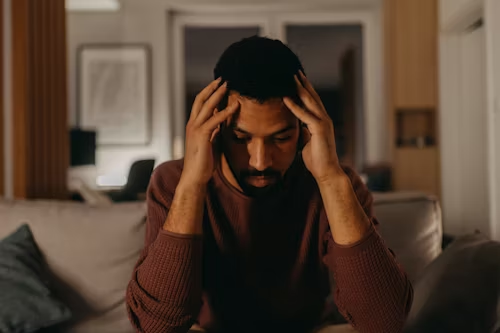
When you start to feel anxious, your body kind of kicks into a “fight-or-flight” mode. It releases adrenaline, and that raises your heart rate , plus it creates this stronger physical tension, you know.
Propranolol works by blocking beta receptors in your system, so the stress response, in the body part, gets toned down.
Important: it does not erase anxious thoughts. Rather it helps your body settle, so your mind is less likely to spiral off the physical sensations.
Propranolol Dosage for Anxiety
There is no officially standardized dosage for anxiety, because it’s usually prescribed off label. Still, clinicians often use something like this, kind of broadly:
- Starting dose: 10 mg
- Typical range: 10 mg to 40 mg, taken when needed
- When to take it: commonly 30–60 minutes before a stressful event
Dose can change depending on
- How intense the physical symptoms feel
- Body weight and metabolism
- How sensitive you are to shifts in blood pressure
- Whether the medicine is used just sometimes vs more regularly
Main safety note:
Any dose changes should only be done with medical supervision, since it can affect heart rate and blood pressure.
Can You Take Propranolol As Needed for Anxiety?
Yes, in many cases propranolol can be used with PRN, like an on demand approach. That means it’s not necessarily taken every single day, but rather only before a particular moment where anxiety tends to show up physically, kinda like a small barrier you put up in advance.
People often use it before things like:
- Public speaking,
- Job interviews
- Performance events,
- Social situations that tend to trigger that whole nervous bodily feeling
- Flying or dental procedures
So really, it can be especially useful for situational anxiety, not the longer term type of generalized anxiety that sticks around day after day.
How Fast Does Propranolol Work?
Propranolol typically starts doing its job within like:
- 30 to 60 minutes after you take it
- usually notice peak effects about 1 to 2 hours later
That is why timing really matters if someone is using it for performance stuff, or situational anxiety, because the window between taking it and feeling the effect kind of matters a lot.
How Long Does Propranolol Last?
Effects usually last:
- 3 to 6 hours, depending on dose and individual metabolism
Some people may feel lingering mild effects longer, especially at higher doses.
Propranolol Side Effects for Anxiety
Like most medications, propranolol may bring side effects along, mostly because it meddles with heart rate and also blood pressure a bit too much.
Some common issues include:
- Feeling dizzy, or a lightheaded sensation
- Fatigue, like drained energy
- Cold hands or cold feet
- A slower heart rhythm
- Low blood pressure
Less common, but still something you should take seriously:
- Shortness of breath, especially if someone has asthma
- Sleep disturbances
- Mood changes
Be extra cautious if you have any of these:
Asthma, certain heart conditions, or already very low blood pressure, then propranolol should be used only with close medical supervision, and yes, it’s better not to wing it.
Is Propranolol Safe for Anxiety?
Propranolol is pretty much seen as safe, when it is prescribed appropriately and taken with controlled doses. But you still should get the whole picture, because it is not a magic pill or anything like that, it’s more like a tool.
Also, it matters that:
- it is not usually a first-line option for anxiety disorders, not in that way
- it does not really target emotional symptoms , or the thinking side , the cognitive part
- it tends to work best for short-term worry or situational stress , like when something specific is happening
For longer-term anxiety management, people are often steered toward therapy and/or a daily medication, like SSRIs.
Propranolol vs Other Anxiety Medications
Propranolol vs SSRIs
SSRIs treat long-term anxiety patterns in the brain, while propranolol targets physical symptoms in the moment.
Propranolol vs Benzodiazepines
Benzodiazepines affect the central nervous system and reduce both mental and physical anxiety—but carry higher risks of dependence.
Propranolol is non-habit forming but more limited in scope.
Who Benefits Most from Propranolol for Anxiety?
Propranolol is often most helpful for people who:
- Experience strong physical anxiety symptoms
- Have performance or social anxiety triggers
- Need short-term relief for specific events
- Do not require daily medication
It is less effective for:
- Persistent generalized anxiety
- Trauma-related anxiety symptoms
- Intrusive thought patterns
Therapy for Anxiety at Uncover Mental Health Counseling
While a medication like propranolol can lower physical symptoms, true lasting relief from anxiety usually takes more than that , because it often means getting at the deeper thought patterns and the emotional triggers that keep looping.
At Uncover Mental Health Counseling in New York State, we help clients build longer-term tools for managing anxiety through therapies that are actually evidence-based.
Our founder, Kristie Tse, LMHC-D, has more than 10 years of clinical experience , and has been featured in places like Verywell Mind, Bustle, HelpGuide, Well+Good and others , too.
We tend to specialize in supporting:
- High-achieving professionals when they’re under pressure
- Asian and Asian American clients
- LGBTQ+ adults
- Immigrants and first-generation Americans
Our approach brings in cultural awareness alongside evidence-based treatments, so clients can feel both understood and supported at the same time. If you’re ready to begin your therapy journey, book an appointment now.
Frequently Asked Questions
Can you take propranolol as-needed for anxiety?
Yes, propranolol is often prescribed “as needed” for situational anxiety, like when you’re doing public speaking, or that kind of performance anxiety.
What is the best dose of propranolol for anxiety?
Most clinicians begin with 10 mg, and then they fine tune up to 40 mg , depending on your symptoms and how you respond.
How quickly does propranolol work for anxiety?
Usually it kicks in within about 30 to 60 minutes after you take it.
Does propranolol stop anxiety thoughts?
No, it doesn’t usually quiet anxious thoughts, it mainly lowers physical signals like a faster heart beat and shaking.
Is propranolol addictive?
No, propranolol isn’t considered habit forming , and it’s not usually tied to addiction.
Finding Long Term Support Beyond Propranolol
Propranolol can work as a pretty effective aid for the bodily signs of anxiety, especially when you’re in high-pressure moments or doing performance type things. But it kinda shines most when it’s used alongside a bigger treatment plan, where therapy is included, plus some emotional skill-building that helps you stabilize over time.
If you’re dealing with anxiety day after day, getting professional support can make it easier to create coping tools you can use right away and also build longer-term resilience.