


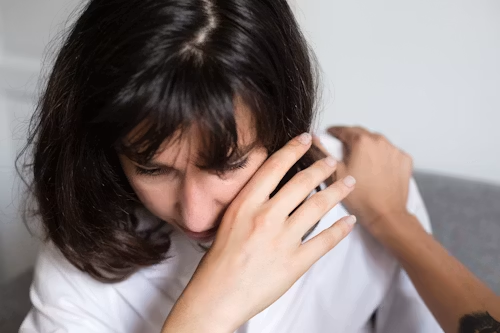
When most people think about anxiety, they sort of picture racing thoughts, nonstop worry, or even pure dread. But anxiety doesn’t only stay in your mind, it also drags along very real body signals, like actual physical symptoms you can feel, in a pretty direct way.
For a lot of people here in New York City, those symptoms can feel frightening, because they pop up almost out of nowhere, and they can hit pretty hard too. And sometimes they look a lot like serious medical problems, so it’s easy to assume something is physically wrong with your heart or your body.
If you’ve ever asked yourself, “Can anxiety cause chest pain or dizziness?”— yes, it can.
This piece will sort of guide you through the most common physical clues of anxiety, why they happen in the first place, and when it might be wise to seek professional help.
Why Anxiety Causes Physical Symptoms
Anxiety can set off your body ’s fight-or-flight response, it’s a natural survival mechanism meant to keep you safe from real danger.
Once it kicks in your system starts pushing out stress hormones like adrenaline and cortisol, and that brings about physical changes such as:
- Faster heart rate
- Rapid breathing
- Muscle tightness
- Increased vigilance
The thing is, this whole setup can turn on even when there isn’t any real threat around, so you end up feeling weird, uncomfortable sensations that don’t really match the situation.
Common Physical Symptoms of Anxiety
1. Chest Pain or chest tightness
One of the most frightening things about anxiety is chest pain.
It can feel like:
- Pressure in the chest tightness
- squeezing sensation
- sometimes sharp stabbing pain
This happens because of:
- Muscle tension in the chest
- An increased heart rate
- Shallow breathing patterns
A lot of people confuse it with a heart problem, but anxiety related chest pain is usually harmless—still, it can be very distressing, even a little scary.
2. Dizziness or lightheadedness
Dizziness is another symptom people often notice with anxiety.
It might feel like:
- A faint feeling or “floating”
- Unsteady balance, kinda wobbly
- A blurred or space out sensation
Usually it’s linked to:
- Hyperventilation (over-breathing)
- Lowered carbon dioxide levels
- Nervous system overload, like your body is running too hot
3. Shortness of breath
You may feel like you cannot get enough air, even when your oxygen levels are normal, which is such an odd twist.
Common signs include:
- Rapid breathing
- Feeling “air hungry”
- A tight throat sensation
This tends to feed the panic cycle, and that panic can make anxiety symptoms stronger, even faster than before.
4. Rapid Heartbeat (palpitations)
Anxiety often makes your heart beat faster, or it can start feeling sort of irregular.
You might notice:
- a strong or pounding heartbeat
- a fluttering sensation in the chest
- awareness of your heartbeat even when you are resting
This seems like part of the body’s natural stress response
5. Muscle Tension and body ache
Long term anxiety keeps muscles in this constant state of tightness.
Common spots include:
- neck and shoulders
- jaw, meaning clenching
- back
- stomach
After a while, it can turn into headaches and a general soreness
6. Nausea and digestive problems
Your gut is very sensitive to stress.
Anxiety can cause:
- stomach tightness
- nausea
- diarrhea or constipation
- loss of appetite
Some people call this the gut-brain connection, it’s kinda the same loop
7. Sweating and trembling
You may experience
- excessive sweating
- shaking hands or body tremors
- feeling overheated
This usually happens because adrenaline is being activated
8. Fatigue and weakness
Even if anxiety feels like high energy , it can still drain you.
You might feel:
- Exhausted after panic episodes
- weak, or like your limbs are heavy
- low physical energy
Why Physical Symptoms Feel So Scary
Physical symptoms of anxiety are frightening because they:
- Appear suddenly
- Feel similar to medical emergencies
- Are difficult to control
- Intensify worry and panic
This creates a cycle:
- Physical symptom appears
- You become worried
- Anxiety increases
- Symptoms get worse
Breaking this cycle is key to recovery.
Anxiety and Physical Symptoms in NYC
In New York City, anxiety symptoms can feel more intense due to:
- High daily stress levels
- Fast-paced environment
- Long work hours
- Lack of rest and recovery
- Constant stimulation
Many NYC residents experience physical anxiety symptoms but assume it is purely physical illness.
When to Seek Medical Attention
Even though anxiety can bring on physical symptoms, it really helps to rule out medical conditions first, you know. If anything feels off, don’t just assume it’s only nervousness.
Please seek medical help if you have:
- Severe, or persistent chest pain
- Fainting, or near fainting
- Physical changes you cannot explain
- Symptoms that seem different than your usual anxiety
In any doubtful situation, always prioritize safety and a medical check up.
How to Calm Physical Symptoms of Anxiety
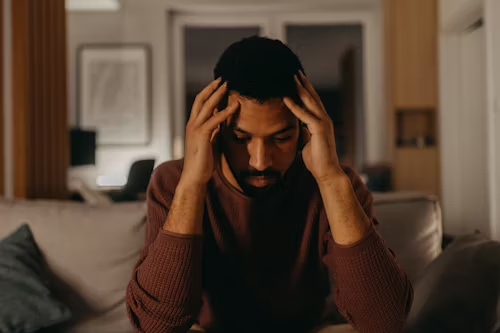
1. Slow breathing
Do slow, deep breaths to calm your nervous system. It can feel odd at first, but it helps.
2. Grounding tricks
Pay attention to what you can see , what you can hear, and what you can feel right now in this moment. Stay with the present a little more than usual.
3. Loosen muscle tightness
Let go of tight spots like your shoulders, jaw, and other places you’ve been bracing without noticing.
4. Cut back on stimulants
Reduce caffeine, and also watch for stress triggers that ramp you up.
5. Get therapy support
Therapy can sort out the real core reasons behind anxiety, not only the obvious signs you notice day to day, even if you’re mostly feeling it in your body.
In other words, therapy isn’t only about lowering the visible symptoms, it also works on the original drivers of anxiety.
When Anxiety Becomes a Concern
Consider seeking help if:
- Physical symptoms happen frequently
- Anxiety affects daily life
- You avoid situations due to symptoms
- You feel constantly on edge
- Symptoms create fear of health issues
How Therapy Helps with Physical Anxiety Symptoms
Therapy helps you:
- Understand why symptoms happen
- Reduce fight-or-flight activation
- Break fear cycles around physical sensations
- Build coping strategies for panic
- Improve long-term emotional regulation
At Uncover Mental Health Counseling, we provide evidence-based anxiety therapy in NYC to help reduce both mental and physical symptoms.
FAQs
Can anxiety really cause chest pain?
Anxiety can bring chest tightness, from muscle tension and a stress response, not always obvious at first.
Why do I feel dizzy when I’m anxious , though?
It can happen because anxiety might trigger hyperventilation, which then causes dizziness.
Are the physical symptoms of anxiety actually dangerous?
Most of the time no, they’re usually not dangerous, but they can feel intense. If they keep happening , or don’t settle, it’s smart to get them checked.
Can anxiety cause stomach problems?
Yes. Anxiety can affect the digestive system directly, like the whole thing kinda “shifts”.
How long do physical anxiety symptoms last?
Usually minutes to a few hours , depending on how strong the anxiety is and what’s going on around you.
Conclusion: Physical Symptoms of Anxiety Are Treatable with the Right Help
Physical symptoms that come with anxiety—like chest pain, dizziness, and shortness of breath—can feel weirdly scary and a bit confusing. But usually it’s the body reacting in its own natural way to stress and anxiety, not some obvious sign that you have a physical illness or something.
Getting clear on what these symptoms actually mean is often the first real step to lessen the fear and start breaking that back and forth anxiety cycle.
And if you’re dealing with frequent physical symptoms of anxiety, know that you don’t have to handle it alone, there is help.
At Uncover Mental Health Counseling, we offer caring anxiety therapy in NYC, so you can slowly get your footing back in both your mind and your body.