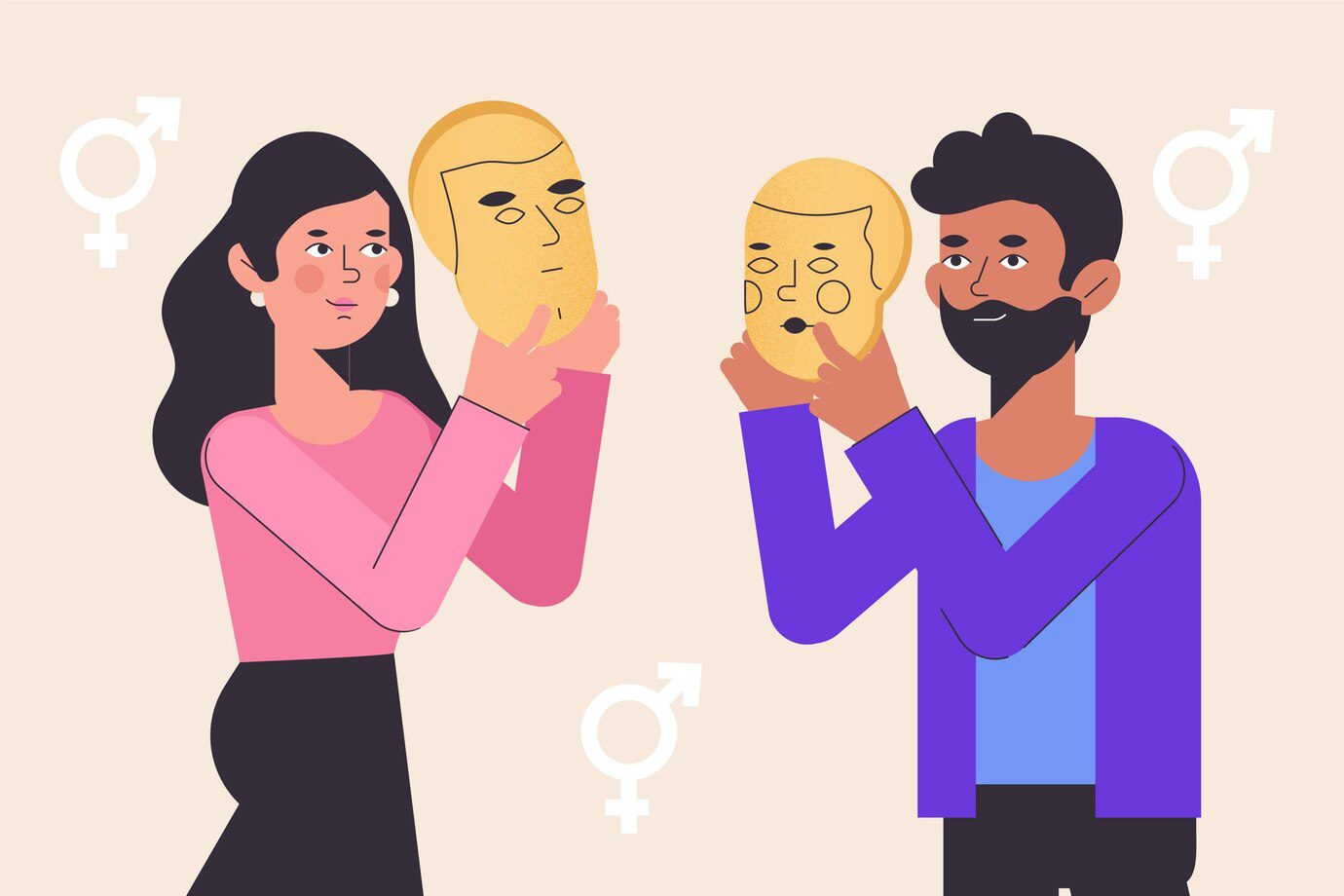
Most people who come to therapy for communication problems don’t actually have a communication problem. They have a connection problem, a safety problem, or a self-worth problem that is expressing itself through communication. The words are the surface. What’s underneath is usually older and more personal than a conversation style.
That distinction matters because it changes what help actually looks like. Learning better communication techniques can be useful. But if the techniques are sitting on top of unexamined fear, shame, or unresolved relational history, they tend not to hold. The conversation improves temporarily and then the old patterns reassert themselves, often in a different form.
Working with a communication therapist in NYC means getting underneath the techniques to the relational and emotional dynamics that are actually driving the breakdown.
What Brings People to a Communication Therapist
People seek therapy for communication issues for a wide range of reasons, but a few patterns come up consistently in clinical practice.
Conflict that goes in circles. The same argument keeps happening. The topic changes but the dynamic doesn’t. Each person feels unheard. Repair happens but the underlying tension doesn’t resolve. Over time, the circular conflict either escalates or one or both people start disengaging.
Shutting down under pressure. For some people, difficult conversations trigger a shutdown response rather than engagement. They go quiet, agree to things they don’t mean, or exit the conversation entirely. This can look like avoidance from the outside. Internally, it often feels like overwhelm, a nervous system that has moved into a freeze or fawn response and genuinely cannot access words in that moment.
Saying things they don’t mean. The inverse of shutting down: under stress, some people say more than they intend, escalate quickly, and later struggle to understand what happened. The emotional activation moves faster than the reflective capacity, and the words that come out in those moments damage trust in ways that are hard to repair.
Difficulty asking for what they need. Many adults, particularly those who grew up in environments where needs were minimized or met with criticism, find it genuinely difficult to identify and articulate what they need from another person. They expect others to intuit it, feel hurt when they don’t, and avoid the vulnerability of asking directly.
Communicating across difference. Cultural background, family of origin, neurodivergence, attachment style: all of these shape how people communicate, what they expect from communication, and what feels respectful or dismissive. When two people in a relationship come from very different communication frameworks, even well-intentioned conversations can land in ways neither person intended.
Why Communication Problems Are Rarely Just About Communication
In my clinical experience, what presents as a communication problem is almost always a window into something deeper. A few of the most common underlying dynamics:
Unprocessed anxiety. Anxiety changes how we interpret incoming information. A neutral tone gets read as coldness. A pause in the conversation becomes evidence of withdrawal. An unanswered question feels like rejection. When anxiety is driving the communication, the content of the conversation becomes almost secondary to the threat-detection happening underneath it.
Attachment patterns playing out in real time. The way we learned to attach in early relationships shapes how we show up in adult ones. Someone with an anxious attachment style may pursue harder in conflict, needing resolution quickly to regulate their nervous system. Someone with an avoidant attachment style may need space to process before they can engage, which the anxious partner reads as stonewalling. Neither person is doing something wrong. But without understanding the underlying attachment dynamic, the communication intervention goes nowhere.
Emotional flooding. Research by the Gottman Institute identified emotional flooding, a state of physiological overwhelm during conflict, as one of the most reliable predictors of communication breakdown. When someone is flooded, their heart rate elevates significantly, their prefrontal cortex becomes less accessible, and the capacity for nuanced, empathic communication drops sharply. In that state, technique is largely irrelevant. The first intervention is physiological regulation, not better word choice.
Unspoken resentment. Communication problems in long-term relationships often have a sedimentary quality: layers of small grievances, unacknowledged needs, and unrepaired ruptures that have accumulated over time. The presenting communication issue is often just the most recent layer. The work is excavation as much as skill-building.
Trauma responses. For people with a history of relational trauma, cerftain types of conversations, particularly conflict, criticism, or perceived rejection, can activate trauma responses that have nothing to do with the current situation. When the nervous system is responding to a historical threat rather than a present one, the communication tools don’t reach the part of the brain that needs to be addressed. Trauma-informed work is essential in those cases.
What a Communication Therapist Actually Does
A communication therapist isn’t primarily a teacher of techniques, though skills do get introduced when they’re useful. The work is more about understanding the relational system that has developed between two people, or within one person’s relationship with themselves, and identifying where it has broken down and why.
At Uncover Mental Health Counseling, communication-focused work typically involves:
Mapping the pattern. Before anything can change, both the therapist and the client need a clear picture of what actually happens: what triggers the breakdown, what each person does in response, how the cycle maintains itself. This mapping is often illuminating on its own. People frequently realize, once the pattern is named clearly, that what felt chaotic actually follows a very predictable structure.
Understanding each person’s nervous system. Communication happens between two nervous systems before it happens between two people. Understanding what activates each person, what their window of tolerance looks like, and what conditions allow them to access their best relational capacity is foundational work.
Identifying the underlying need. Most communication breakdowns are about unmet needs that aren’t being articulated directly. Anger is often a secondary emotion covering hurt, fear, or grief. Withdrawal is often protection against anticipated rejection. Getting underneath the surface behavior to the underlying need changes the entire conversation.
Building skills where they’re useful. Once the underlying dynamics are understood, specific communication skills can be genuinely helpful: learning to use “I” statements that express experience rather than assign blame, developing the capacity to pause and regulate before engaging in difficult conversations, practicing repair after conflict. These tools work when they’re built on a foundation of understanding rather than applied as a substitute for it.
Working with cultural and relational context. Communication doesn’t happen outside of context. Cultural background shapes what directness means, how conflict is supposed to be handled, what topics are discussable, and what respect looks like in conversation. At Uncover, we work with clients across diverse cultural backgrounds, including Asian American clients navigating the intersection of family communication norms and individual relational needs, and LGBTQ+ clients whose relationship structures may not fit the frameworks most communication tools were designed around.
Individual Therapy vs. Couples Therapy for Communication
A question that comes up often: should I come to individual therapy for communication issues, or do my partner and I need to come together?
The honest clinical answer is that it depends on what the communication problem actually is.
If the communication difficulty is primarily showing up in one relationship and both people are willing and able to participate, couples therapy is often the most direct path. The work happens between the people involved, in real time, with a clinician who can observe the pattern directly rather than working from one person’s account of it.
Individual therapy for communication issues is the right fit when the patterns show up across multiple relationships, suggesting the root is internal rather than interpersonal; when one partner isn’t willing or able to engage in couples work; when there’s unresolved trauma, attachment history, or anxiety that needs to be addressed before couples work can be productive; or when someone wants to understand their own relational patterns before or alongside any shared work
In my experience, individual communication work often produces significant changes in relational dynamics even without the partner in the room, because when one person’s nervous system and relational patterns shift, the system around them tends to shift in response.
Finding a Communication Therapist in NYC
Uncover Mental Health Counseling is a private pay, virtual therapy practice in New York State. Our founder, Kristie Tse, LMHC-D (NY License #009672), has clinical experience working with adults navigating communication breakdown, relational conflict, and the attachment and anxiety patterns that underlie both.
We work with individuals across New York City, including high-achieving professionals, members of the Asian American and LGBTQ+ communities, and adults navigating the intersection of cultural background and relational expectations, where communication patterns often carry layers that require both clinical skill and cultural fluency to address.
If what you’ve read here resonates, we’d be glad to talk. Schedule a free consultation or learn more about our relationship therapy services.
Kristie Tse, LMHC-D (NY License #009672) is the founder of Uncover Mental Health Counseling PLLC, a virtual therapy practice in New York State, and has over 10 years of therapy experience. She has been featured in HuffPost, Verywell Mind, Well+Good, and Bustle, among other publications, discussing relationships, communication, and mental health.