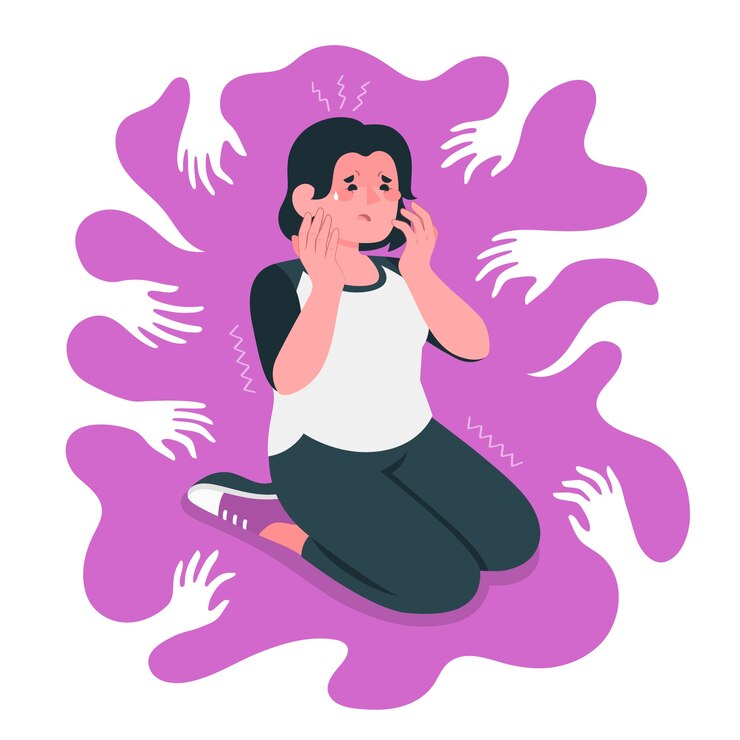
The signs of burnout are exhaustion that rest doesn’t fix, dread or cynicism about work you used to care about, and feeling less effective than you know you are. Many high performers miss it because they keep delivering while running on empty. Burnout is a response to long-term, unmanaged work stress, and it is treatable. If the signs have lasted more than a few weeks, therapy can help you recover without having to leave your job first.
If this sounds like you, our burnout and stress therapy in NYC is private, online and starts with a free 15-minute consultation.
You close the laptop at 11pm, answer one more message, and set an alarm for six. Your work is fine. People still call you reliable. But the thing that used to feel like drive now feels like dread, and you can’t remember the last time you felt rested.
That is what burnout often looks like. It rarely arrives as a breakdown. More often it looks like someone who keeps performing while quietly running on empty, which is why the signs are easy to explain away.
What burnout is (and isn’t)
The World Health Organization describes burnout as an occupational phenomenon, not a medical condition. It results from chronic workplace stress that hasn’t been successfully managed. Researcher Christina Maslach describes three parts: exhaustion, cynicism or distance from your work, and a drop in your sense of effectiveness.
Burnout is not weakness, and it is not the same as a bad week. It builds over months and doesn’t go away with a long weekend.
12 signs of burnout
1. Exhaustion that rest doesn’t touch. You sleep and wake up tired. A weekend off helps for a day, then it’s back.
2. Dread. Sunday-night heaviness, or a sinking feeling when you open your inbox. It is easy to blame “a busy week” for months.
3. Cynicism or detachment. Work you used to care about now feels pointless or irritating, and you catch yourself going through the motions.
4. Irritability. Small things set you off, with colleagues, a partner or friends. You are shorter than you want to be.
5. Doubting your own competence. You make more mistakes, or you second-guess skills you know you have. Burnout lowers performance, and many people read that as proof they’re failing.
6. Trouble concentrating and deciding. Simple choices feel heavy. Tasks that used to take an hour take three.
7. Losing interest outside work. Hobbies, friends and exercise stop appealing. It all feels like effort.
8. Physical signs. Headaches, stomach trouble, muscle tension, getting sick more often, or changes in sleep and appetite. See physical symptoms of anxiety, since the body often speaks first.
9. Coping habits creeping up. More caffeine to start the day and more alcohol, scrolling or snacking to end it.
10. Pulling away from people. You cancel plans, skip calls and stop explaining how you really are.
11. Feeling trapped. The pay or the title makes leaving or even slowing down feel impossible, even when you want to.
12. Performing fine while feeling empty. This is the one high performers miss most. Your output looks good, so nobody notices, and you start to believe nothing is wrong.
Why high performers miss it
In our work with high-achieving professionals in New York, the same thoughts come up again and again:
- “I’m still performing, so I must be fine.” Output is a poor measure of how you’re doing.
- “Everyone around me works like this.” Normal in your environment isn’t the same as healthy.
- “I don’t have time to deal with it.” Burnout is often what the lack of time has been costing you.
- “I’ll rest after this deal, this quarter, this year.” There is usually another one.
The stages of burnout
A popular model describes burnout as a progression: a high-energy, committed start, then the onset of stress, then chronic stress, then burnout itself, and finally a habitual state where exhaustion becomes part of daily life. It is a helpful way to see how gradual the slide can be, but it is not a clinical diagnosis, and real experience rarely follows neat steps. The practical point is that earlier is easier. Signs that have lasted a few weeks are easier to turn around than signs that have lasted a few years.
Burnout vs. stress vs. depression
They overlap, and it is possible to have more than one.
| Stress | Burnout | Depression | |
|---|---|---|---|
| Feels like | Too much pressure | Empty, detached, spent | Low, hopeless, flat |
| Tied to | Specific demands | Work, over months | Often affects everything |
| Eases when | Pressure drops | Away from work, somewhat | Not necessarily, even in good conditions |
If low mood, hopelessness or loss of interest reaches beyond work, it may be more than burnout. High performers often hide depression well. See our post on high-functioning depression, or read about depression therapy in NYC. For ADHD, see ADHD burnout.
A quick self-check
This is not a validated test and it can’t diagnose anything. It’s a way to notice patterns. Over the last month, how many of these are true?
- I feel tired even after resting.
- I dread work more than I used to.
- I feel detached or cynical about my job.
- I’m making more mistakes or doubting myself.
- I’m more irritable than usual.
- I’m using caffeine, alcohol or scrolling to get through the day.
- I’ve pulled away from people I care about.
- I feel stuck and can’t picture a different way of working.
If you ticked several and they’ve lasted more than a few weeks, it is worth talking to someone.
What to do next
Recovery has real steps, and we cover them in how to recover from burnout in NYC and preventing workplace burnout. If you’re weighing a bigger decision, see should I quit my job for my mental health?
A few things you can start this week:
- Protect one hard stop. Pick one evening or time block that’s off-limits, and treat it like a client meeting.
- Name the biggest drain. Write down the single thing that costs you the most energy. Start there, not with everything.
- Tell one person. Burnout lasts longer when you carry it alone.
- Watch the coping habits. Notice if drinking, caffeine or late-night scrolling are creeping up.
When to get help
Consider speaking to a therapist if the signs have lasted more than a few weeks, if your sleep or health is slipping, if you’re drinking more to cope, or if you’ve started to feel numb or hopeless. You don’t need to be in crisis. If you’re in crisis or thinking about harming yourself, call or text 988.
Therapy for burnout helps you understand what is driving the exhaustion, change the patterns that keep you overextended, and decide what you want from your work. We offer private online sessions seven days a week, 9am to 9pm. For particular careers, see our pages for finance professionals, physicians and high achievers.
Frequently asked questions
What are the main signs of burnout? The main signs are exhaustion that rest doesn’t fix, dread or cynicism about work, and feeling less effective than you used to. Irritability, trouble concentrating, physical symptoms and pulling away from people are also common.
Can you be burned out and still perform well? Yes. Many high performers keep delivering while feeling empty. Output is a poor measure of how someone is doing, and burnout often shows up first in mood, energy and relationships.
Is crying a sign of burnout? It can be. Burnout can make emotions feel closer to the surface, so tearfulness or feeling overwhelmed by small things is common. If it’s frequent or comes with hopelessness, it’s worth talking to a licensed clinician.
What are the stages of burnout? A popular model describes a progression from high energy and commitment, through stress and chronic stress, to burnout and a habitual state of exhaustion. It isn’t a clinical diagnosis, and experience varies from person to person.
How is burnout different from depression? They overlap. Burnout is usually tied to work and tends to ease somewhat when you’re away from it. Depression tends to affect everything, including things you used to enjoy outside work. A licensed clinician can help tell them apart, and it’s possible to have both.
When should I see a therapist for burnout? Consider it if the signs have lasted more than a few weeks, if your sleep or health is slipping, if you’re relying on alcohol to cope, or if you feel numb or hopeless. You don’t need to wait for a crisis.
Talk to a therapist who understands high-pressure careers
Our licensed New York therapists work with burnout, anxiety and stress through private video sessions, seven days a week from 9am to 9pm. Start with a free 15-minute consultation.
Book a free 15-minute consultation
This article is for education and isn’t a substitute for professional diagnosis or treatment. If you’re in crisis or thinking about harming yourself, call or text 988.