By Kristie Tse, LMHC-D (NY License #009672)
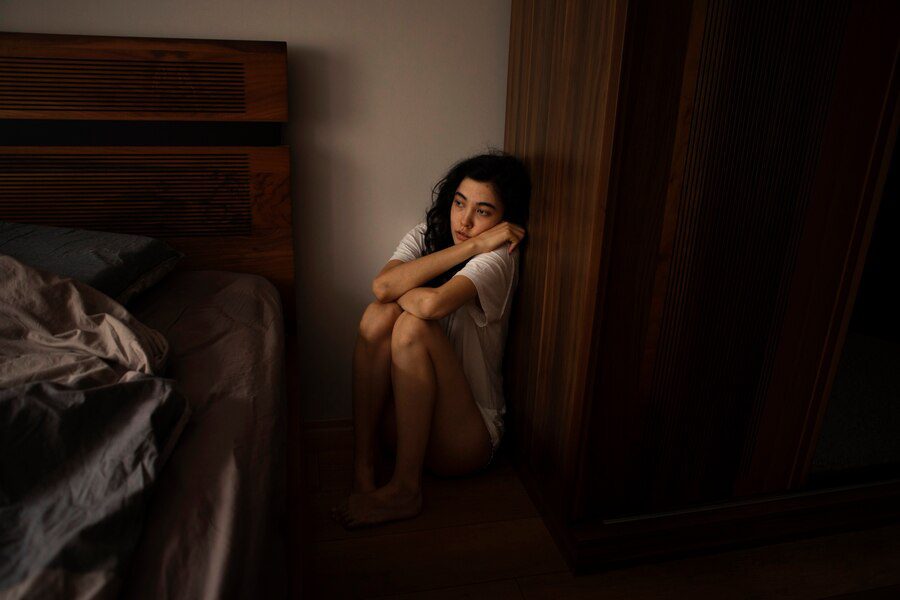
Feeling the weight of the city on your shoulders? You’re not alone. Burnout can sneak up on even the most resilient New Yorkers, and recovering from it takes more than a good weekend off.
Understanding Burnout
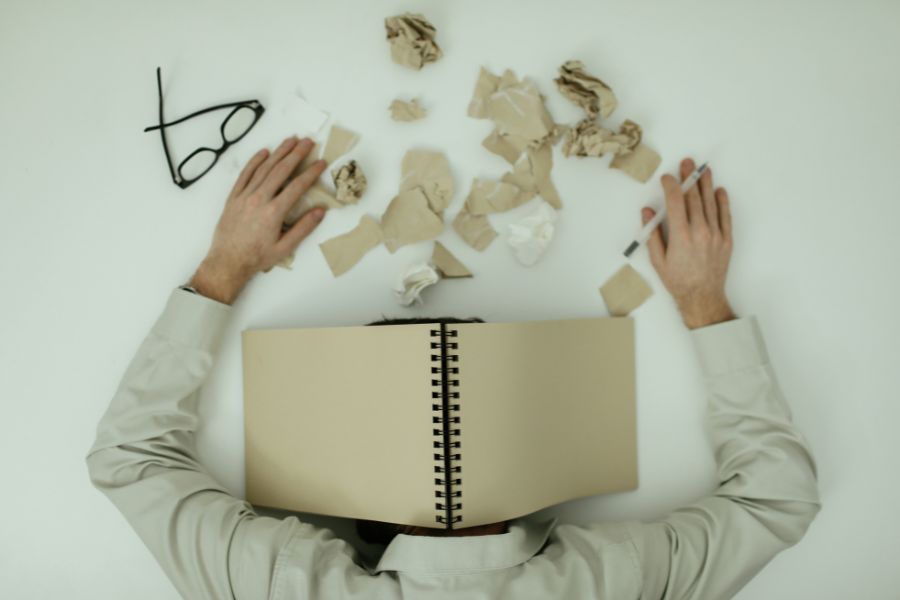
Burnout isn’t just feeling tired or stressed — it’s a real, recognized syndrome. The World Health Organization formally classified burnout as an “occupational phenomenon” in the ICD-11 in 2019, defining it as resulting from chronic workplace stress that hasn’t been successfully managed. That definition closely follows Christina Maslach’s foundational three-dimensional model of burnout: exhaustion, cynicism or emotional distance from the work, and a reduced sense of accomplishment or effectiveness. It can also show up physically — headaches, stomachaches, insomnia — not just emotionally.
Burnout typically develops in stages rather than all at once, though not everyone experiences it identically. One common way of describing the progression:
Enthusiasm — high motivation and engagement, often fueled by genuine purpose.
Stress — demands start outpacing resources; overwhelm, anxiety, and early physical symptoms emerge.
Frustration — disillusionment and cynicism set in, often alongside a sense that effort isn’t being recognized.
Apathy — emotional detachment and numbness; disengagement from work and responsibilities.
Burnout — full physical, emotional, and mental exhaustion, sometimes with real hopelessness and social withdrawa
3 Common Causes of Burnout in New York City
Work-related causes. High workloads and unrealistic expectations, feeling powerless or micromanaged, unclear job expectations, lack of recognition, and blurred work-life boundaries ,all of which NYC’s fast pace and competitive culture tend to intensify rather than ease.
Personal causes. Perfectionism, neglected self-care, unhealthy coping mechanisms (alcohol, overeating, and similar), isolation, and strained relationships, often compounded in a city where personal connection can feel secondary to professional momentum.
Societal causes. Cultural norms that glorify busyness, real economic pressure from the city’s cost of living, and constant social comparison in an environment where success is measured visibly and often externally.
8 Signs of Burnout in New York City
Chronic fatigue that persists even after a full night’s sleep, the nonstop pace of city life doesn’t leave much room to actually recover.
Increased irritability — noise, crowding, and constant stimulation wear down patience faster than people expect.
Lack of motivation, especially isolating in a culture that celebrates ambition, losing interest in things you used to care about can feel like a personal failure rather than a symptom.
Difficulty concentrating amid constant sensory demands, which shows up directly in reduced productivity.
Physical symptoms — headaches, muscle tension, stomach issues, that intensify under sustained pressure.
Isolation, even while surrounded by millions of people, burnout often produces withdrawal that crowding alone can’t prevent.
Increased substance use as an unwind mechanism, which can quietly deepen the burnout it’s meant to relieve.
Perfectionism, fueled by constant comparison and a fear of falling behind, that turns into a self-perpetuating cycle of stress.
How Do You Recover From Burnout in NYC
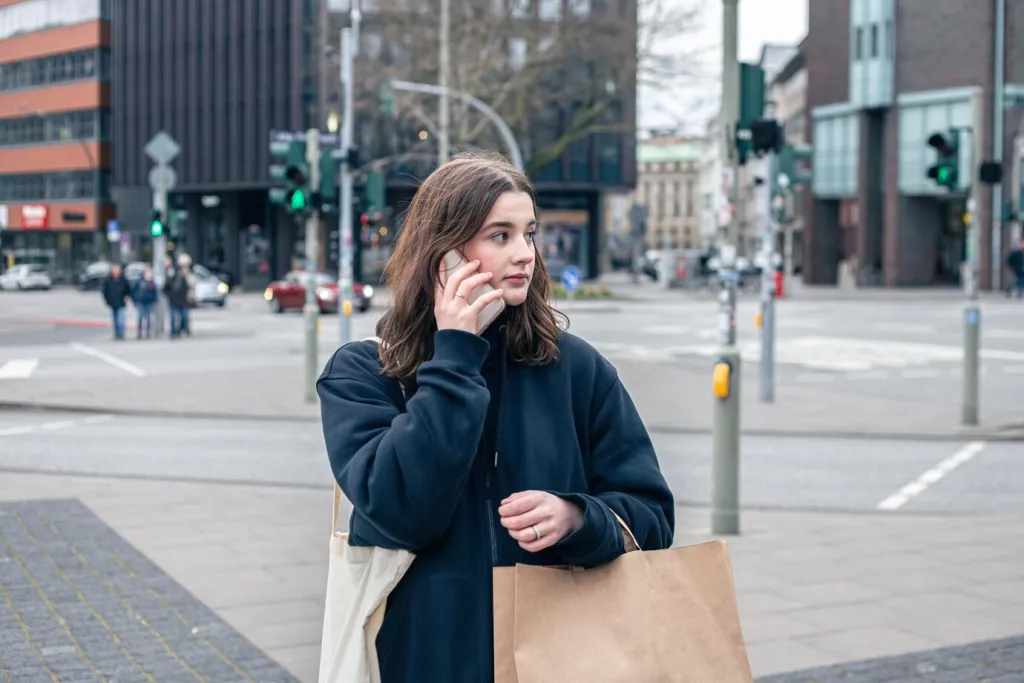
Acknowledge it. Recognizing burnout for what it is — a signal your mind and body need support, not a personal weakness — is the real first step. That’s harder in a culture that glorifies busyness, which makes giving yourself permission to name it even more important.
Take real time off. A day exploring a new neighborhood, a weekend away, or a genuine vacation — stepping fully away from work, even briefly, is what actually allows recovery rather than just pausing the accumulation.
Make self-care non-negotiable. Exercise, meditation, journaling, time outside — these aren’t indulgences, they’re part of what prevents burnout from deepening.
Set real boundaries. Learning to say no, and protecting time for what actually matters to you, keeps burnout from consuming every part of your life.
Seek support. Friends, family, or a therapist , talking to someone you trust provides real perspective, not just venting. Building a support network matters more in a city this size, not less.
Practice mindfulness. Meditation, breathing exercises, or simply pausing to be present can help you respond to stress with more clarity rather than reacting from exhaustion.
Reevaluate your priorities. Reflect honestly on whether your time and energy are going toward what actually matters to you, rather than toward external markers of success that may not be serving you.
Set realistic goals. Break things into manageable steps, and treat setbacks as part of the process rather than proof you’re failing.
Cultivate gratitude. Noticing what’s actually working, even in small ways, shifts focus away from constant lack — a real, evidence-supported way to build resilience over time.
Embrace imperfection. Letting go of the need to be flawless is a genuine antidote to burnout in a city where the pressure to perform rarely lets up on its own.
Getting Support
Recovering from burnout takes more than willpower, it takes real support and a plan that fits your actual life. At Uncover Mental Health Counseling, our therapists specialize in burnout and stress management, helping you identify what’s actually driving it and build a genuine path back to balance.
Book a free 15-minute consultation to get started.
About the Author
Kristie Tse, LMHC-D (NY License #009672) is the founder of Uncover Mental Health Counseling, a virtual private pay practice in New York State. She specializes in attachment, relationships, anxiety, and identity with high-achieving adults, and has a particular focus on Asian American adults, LGBTQ+ individuals, and first-generation Americans. Her work has been featured in HuffPost, Verywell Mind, Well+Good, and Bustle.