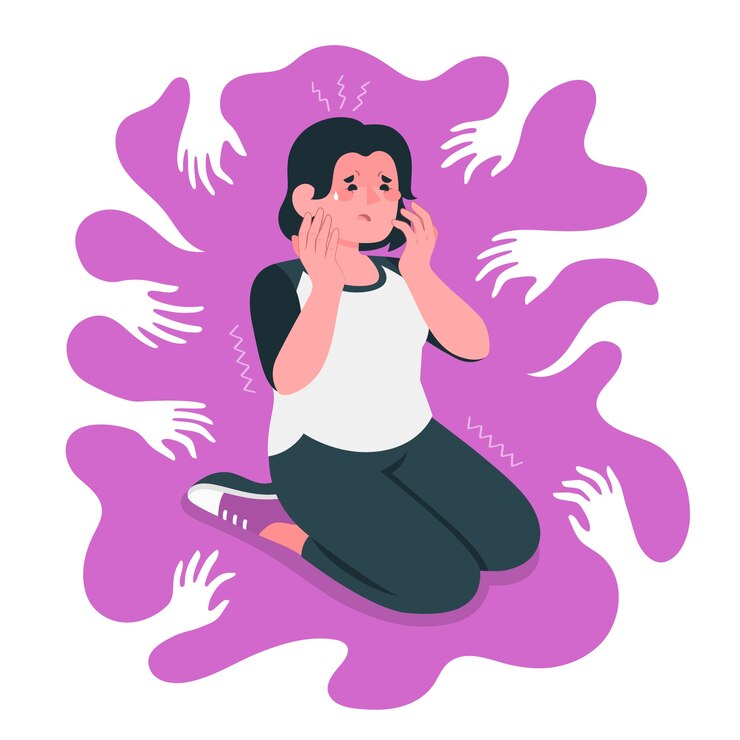
Anticipatory anxiety is fear or dread about something that hasn’t happened yet, such as a performance review, an important call or a family dinner. Your mind runs through what could go wrong and your body reacts as if it already has. It often feels worse than the event itself. It’s a common pattern, not a sign that something is wrong with you, and it usually eases when you stop avoiding the event and start working with the prediction behind it.
If this sounds familiar, our anxiety therapy in NYC is private, online and starts with a free 15-minute consultation.
The performance review is on Thursday. You started dreading it on Sunday. By Tuesday you’ve rehearsed three versions of the conversation, none of them good, and you’re not sleeping well. Then Thursday comes, the meeting takes twenty minutes, and it’s fine. Mostly you feel tired.
That gap between how bad the wait felt and how the event actually went is what anticipatory anxiety is made of.
What is anticipatory anxiety?
Anticipatory anxiety is the worry, dread or tension you feel in advance of a specific event or situation. It isn’t a diagnosis by itself. It’s a feature of several anxiety conditions, including generalized anxiety, social anxiety and panic disorder, and it also shows up in people who don’t have any of them.
What defines it is the timing. The distress is not about what’s happening now. It’s about what you expect to happen next.
What anticipatory anxiety looks like before a real event
In our work with high-achieving people in New York, the dread usually attaches to events that carry something real: a reputation, a relationship, a result. Common ones include:
- A performance review or a difficult conversation with a manager. You prepare, then keep preparing long after there’s anything left to prepare.
- A big call, pitch or presentation. You imagine the one question you can’t answer.
- A family dinner or holiday gathering. You brace for the comment, the comparison, or the old role you get pulled back into.
- A medical appointment or test result. The waiting is harder than the answer.
- A date, a reunion, a wedding or a party. You start planning your exit before you’ve arrived.
- Sunday evening. The dread of the week starts before the week does.
The signs tend to fall into three groups:
- Thoughts: “What if I freeze?” “They’re going to think I’m not ready.” “It’s going to go badly.”
- Feelings: dread, irritability, restlessness, feeling on edge for days beforehand.
- Behavior: over-preparing, checking, asking for reassurance, putting things off, or avoiding the event altogether.
There are body symptoms too, such as a tight chest, a racing heart and poor sleep. We cover those in our post on trembling from anxiety, so we won’t repeat them here.
Why the dread feels worse than the event
Anticipatory anxiety isn’t a flaw in your character. It comes from how the mind handles uncertainty.
Uncertainty reads as danger. Researchers who study anxiety describe it as being largely about the anticipation of uncertain future threat, as opposed to a response to a threat that is actually present (Grupe and Nitschke, 2013). When you don’t know how something will go, your mind tries to fill the gap, and anxious minds tend to fill it with the worst version.
Your mind rehearses, and rehearsal feels real. When you picture the meeting going wrong in detail, your system reacts to the picture. You can go through the stress of the event many times before it happens once.
Avoidance feels like relief, and teaches the wrong lesson. You skip the event, cancel, or put off the conversation. The dread drops right away. But your brain learns that avoiding was what kept you safe, so the next event feels even bigger. This loop is what keeps anticipatory anxiety going.
The wait is long and the event is short. The dread can last days. The event lasts minutes. So most of the distress happens in the part where nothing is actually happening.
If your mind also replays the past, going over what you said last week, that’s a related but different pattern. [ADD LINK: overthinking post]
Normal nerves or anticipatory anxiety?
Some nerves before something important are normal, and even useful. They can sharpen focus. It’s worth a closer look when:
- The dread starts days or weeks ahead and takes over your thinking
- It affects your sleep, appetite or concentration
- You avoid events that matter to you, or turn down opportunities
- You rely on over-preparing or reassurance to get through
- The anxiety is out of proportion to what’s likely to happen
If this fits, it isn’t something you need to push through alone. It’s very treatable.
What helps before the event
These steps work best when you use them early, not in the hour before.
- Name the event and the exact fear. “I’m anxious about Thursday” is vague. “I’m afraid I’ll freeze when my manager asks about the budget” is something you can work with.
- Write down your prediction, then the most likely outcome. Anxious predictions are usually the worst case. Add what would probably happen, and what you’d do if the bad version did happen. Having a plan for it makes it less frightening.
- Prepare once, then stop. Pick a set amount of preparation, for example one hour. After that, extra preparing is usually anxiety, not readiness.
- Give the worry a time slot. Set ten minutes a day to think about the event on purpose. When the thoughts come outside that time, tell yourself “that’s for 6pm” and go back to what you’re doing.
- Try the 3-3-3 reset when it spikes. Name three things you can see, three sounds you can hear, and move three parts of your body. It pulls your attention back to the present.
- Don’t cancel, and go easy on reassurance. Showing up is what teaches your brain the event was manageable. Asking five people “do you think it’ll be okay?” brings relief that fades fast and tends to build the need for more.
- Plan something for after. Put a dinner, a walk or a show on the calendar right after the event, so the day doesn’t end at the thing you’re dreading.
These are coping skills, not a replacement for care. If you do all of them and the dread is still taking over your weeks, that’s a good time to talk to someone.
What helps long-term: therapy for anticipatory anxiety
Anticipatory anxiety responds well to therapy that works on the thinking and the avoidance behind it:
- Cognitive behavioral therapy (CBT) helps you spot and test the predictions your mind makes, so “it’s going to go badly” becomes something you can question rather than believe.
- Gradual exposure means stepping toward the events you’ve been avoiding in small, planned steps, so your brain learns from experience that you can handle them.
- Acceptance and commitment therapy (ACT) helps you stop fighting the anxious thoughts and act on what matters to you even when they show up.
Which approach fits depends on you, and we’ll work that out together. In sessions we’d start with the specific events you’re dreading and what you’re predicting for each, then practice with them step by step.
When to reach out
Consider talking to a therapist if the dread is affecting your sleep, work or relationships, if you’re avoiding things that matter, or if you’ve tried to manage it yourself for a while and it keeps coming back. If you’re in crisis or thinking about harming yourself, call or text 988.
Frequently asked questions
What does anticipatory anxiety feel like? Dread, restlessness and a sense of being on edge before something specific, along with repeated “what if” thoughts about how it might go wrong. Some people also notice a tight chest, a racing heart or trouble sleeping in the days beforehand.
How do you stop anticipatory anxiety? You usually can’t switch it off, but you can reduce it. Name the exact fear, compare your prediction with the most likely outcome, limit how long you prepare and worry, and keep showing up rather than avoiding. If it keeps coming back, therapy such as CBT or ACT works directly on the pattern.
Is anticipatory anxiety OCD? No. Anticipatory anxiety is dread about a future event. OCD involves intrusive, unwanted thoughts (obsessions) and repeated actions or mental rituals (compulsions) used to ease them. The two can overlap, and over-checking or constant reassurance-seeking can look similar, so a licensed clinician can help tell them apart.
What is the 3-3-3 rule for anxiety? It’s a quick grounding exercise. Name three things you can see, three sounds you can hear, and move three parts of your body. It brings your attention back to the present moment when your mind is running ahead.
Is anticipatory anxiety a mental illness? It isn’t a diagnosis on its own. It’s a common experience that is part of several anxiety conditions, and it can also occur on its own around stressful events. When it’s frequent and starts to limit your life, it’s worth getting support.
Talk to a therapist who gets it
Our licensed New York therapists work with anxiety, including the dread before events that matter, through private video sessions seven days a week, 9am to 9pm. Start with a free 15-minute consultation.