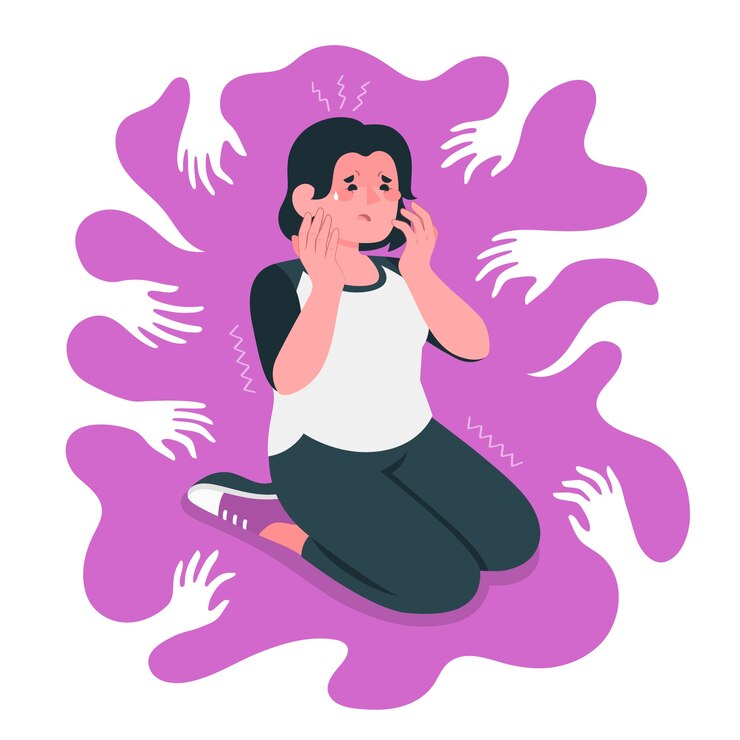
Trauma can cause physical symptoms as well as emotional ones. Common ones include trouble sleeping, muscle tension and pain, headaches, stomach and digestive problems, a racing heart, fatigue, being easily startled, and feeling numb or disconnected from your body. They happen because the body’s stress response can stay switched on after a frightening or overwhelming experience. Because many of these symptoms also have medical causes, it’s worth seeing a doctor first, and then looking at trauma if the pattern fits.
If this sounds familiar, our trauma therapy is private, online and starts with a free 15-minute consultation.
You’ve had the tests, the doctor says everything looks normal, yet your jaw aches, your stomach is unsettled most days, you wake at 3am with your heart pounding, and you’re tired in a way sleep doesn’t fix. Meanwhile your life looks fine from the outside.
For many people, the missing piece is trauma. It doesn’t have to be one dramatic event. It can be years of criticism, emotional neglect, an unsafe relationship, a medical emergency, or a loss that never had room to be felt. The body can respond to all of these.
Can trauma cause physical symptoms?
Yes. Trauma is often described as an emotional wound, but the reactions are physical too. The U.S. Department of Veterans Affairs’ National Center for PTSD lists physical reactions, such as sleep problems, being on edge and body tension, among the common reactions after trauma (National Center for PTSD). The National Library of Medicine’s trauma guide for clinicians also describes how trauma affects the body and the nervous system (Understanding the Impact of Trauma, NCBI).
Research on childhood adversity points the same way. A 2019 analysis from the CDC found that nearly one in six adults (15.6%) in the states studied reported four or more types of adverse childhood experiences, and linked these experiences to a range of adult health problems (AAFP summary of the CDC report). That’s a link in large groups of people, not a prediction for any one person.
Why the body reacts: the stress response that doesn’t switch off
When you sense danger, your body prepares to fight, flee or freeze. Heart rate and breathing speed up, muscles tighten, digestion slows, and stress hormones rise. This is useful in a real emergency.
After trauma, the alarm can stay set too sensitively. The body keeps acting as if the threat is still near, even when you’re safe. Over time that constant readiness can show up as poor sleep, tension, stomach trouble and exhaustion. Another response is to shut down, which can feel like numbness, heaviness or being far away from yourself.
You may hear that “the body keeps the score,” the title of Bessel van der Kolk’s book. It’s a helpful image, but scientists debate how literally to take it. A 2026 paper in Frontiers in Systems Neuroscience argued that the body doesn’t store trauma like a file; rather, the brain keeps predicting danger and the body responds (Psychotherapy Networker). The practical point holds in either view: trauma affects how your nervous system and body behave, and treating it can ease the symptoms.
Common physical symptoms of trauma
None of these proves trauma on its own. Together, and over time, they can point to it.
Sleep
- Trouble falling or staying asleep, waking at 3am, nightmares
- Waking up tired no matter how long you slept
Muscles and pain
- Tight shoulders, neck and jaw; clenching or teeth grinding
- Headaches or migraines
- Back pain or aches that move around and don’t have a clear cause
- Chronic pain, which often appears together with trauma and PTSD in research
Stomach and digestion
- Nausea, a “knot” in the stomach, cramping
- Changes in appetite, irritable-bowel-type symptoms
Heart and breathing
- A pounding or racing heart, chest tightness
- Shallow breathing, feeling you can’t get a full breath
Energy and alertness
- Constant fatigue or heaviness
- Being easily startled, always scanning, unable to relax
- Trouble concentrating or remembering
Numbness and disconnection
- Feeling numb, flat or “not in your body”
- Dizziness or feeling unreal (dissociation)
- A sense that nothing really touches you
Other signs
- Getting sick often when stressed
- Sweating, shaking or trembling in situations that remind you of something
- Strong body reactions to certain sounds, smells, places or people
Is it trauma, stress or something medical?
This is the question that matters most, and the answer is: don’t guess.
- See a doctor first. Heart symptoms, stomach problems, headaches, fatigue and pain all have medical causes. Rule those out, especially if a symptom is new, severe or getting worse.
- Look for patterns. Do symptoms get worse around certain people, dates, places or reminders? Do they ease when you feel safe? Do they come with startle responses, avoidance, nightmares or flashbacks?
- Notice that “normal tests” and real symptoms can both be true. Physical symptoms linked to stress and trauma are real. They aren’t “all in your head.”
If a doctor has found nothing, or the treatment hasn’t helped, it’s reasonable to talk to a therapist who works with trauma.
What helps
Healing the body usually means helping the nervous system feel safe, not just managing each symptom.
- Trauma-focused therapy. Approaches with research support include trauma-focused cognitive behavioral therapy and EMDR. Some therapists add body-based work, which pays attention to sensations as well as thoughts. A therapist can tell you which fits.
- Grounding. Simple tools bring you back to the present: feel your feet on the floor, name five things you see, hold something cold. Our post on somatic exercises to relieve stress and tension has more.
- Slowing the breath. Breathing in for four counts and out for six, a few times, can calm a racing body.
- Sleep and routine. A steady schedule, less screen time at night and a dark, cool room support a settled nervous system.
- Movement. Walking, stretching or yoga can ease tension. Go at your own pace; if exercise feels frightening or overwhelming, start small.
- Safe connection. Time with people who feel calm and trustworthy helps your body learn it’s safe.
- Care from your doctor. Keep up medical care for pain, sleep or other symptoms. Therapy and medical care work together.
Be cautious about anything that promises to “release” trauma quickly or treats the body as a place where memories are stuck. Good care is paced, and you stay in control of how fast you go.
When to get support
Consider seeing a trauma therapist if:
- physical symptoms continue and your doctor can’t find a cause, or treatment hasn’t helped,
- you avoid people, places or topics because your body reacts strongly,
- you have nightmares, flashbacks or feel constantly on guard,
- you feel numb or detached from your life or body,
- your sleep, work or relationships are being affected.
You don’t need a full account of what happened to begin. A good therapist works at a pace you set.
If you’re in crisis or thinking about harming yourself, call or text 988 (the Suicide & Crisis Lifeline) or go to your nearest emergency room.
Talk to someone about trauma Our licensed New York therapists work with trauma and its effects on the body through private video sessions, seven days a week, 9am to 9pm. You set the pace. Start with a free 15-minute consultation. Book a free 15-minute consultation
Frequently asked questions
How does unhealed trauma show up in the body?
It can show up as poor sleep, muscle tension and pain, headaches, stomach trouble, a racing heart, fatigue, being easily startled, or feeling numb and disconnected. These symptoms have many possible causes, so see a doctor first. If tests find nothing and the pattern follows stress or reminders of the past, trauma may be part of the picture.
Can trauma cause chronic pain?
Chronic pain and trauma often occur together, particularly in people with PTSD, and research has linked the two. That doesn’t mean trauma is the cause of every case of pain. A doctor should look at the pain first, and trauma therapy can be part of the care if the link fits.
Is trauma stored in the body?
It’s a popular way to describe how trauma affects people, and the body does react to past danger. Scientists disagree on how literal that phrase is. Some say the brain keeps predicting threat and the body responds, rather than the body “storing” memories. Either way, the symptoms are real and can be treated.
How can I recover from trauma?
Most people do best with a mix of trauma-focused therapy, tools that calm the body (grounding, breathing, sleep and movement), steady medical care, and safe relationships. Recovery is usually gradual and not a straight line. A therapist can help you set a pace that feels manageable.
How do I know if my symptoms are from trauma or a medical problem?
You can’t tell on your own. See a doctor first to rule out medical causes. If nothing is found, or treatment isn’t enough, a therapist can help work out whether trauma or chronic stress is part of the picture. The two can also exist together.