
Emotional cheating can start quietly. It might be a text you send late at night, a conversation that feels more personal than it should, or a connection with someone outside your relationship that seems harmless at first.
Even if nothing physical happens, these emotional bonds can grow over time. You may start relying on someone else for attention, comfort, or understanding — the very things you feel are missing in your relationship. Before you know it, your feelings may shift, and your connection with your partner can begin to weaken.
Emotional cheating often happens when needs at home aren’t being met — when you feel unheard, unappreciated, or emotionally distant from your partner. Recognizing it early is important so you can take steps to protect your relationship and rebuild trust.
At UNCOVER Mental Health Counseling in New York City, we help individuals and couples understand emotional cheating and its impact. Through simple, practical guidance and evidence-based therapy, we work with you to restore connection, improve communication, and strengthen your relationship.
What is Emotional Cheating
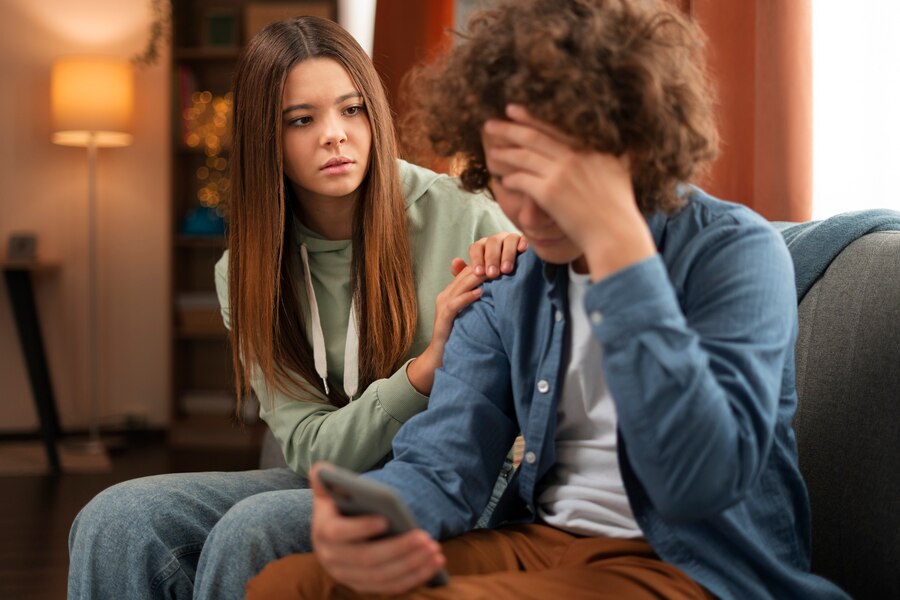
Emotional cheating happens when someone forms a deep emotional bond outside their romantic relationship. This may include:
- Sharing personal thoughts, struggles, or feelings meant for their partner.
- Seeking emotional support or validation from someone else.
- Developing closeness that undermines intimacy with their partner.
Emotional infidelity can occur face-to-face or digitally via texting, messaging apps, or social media. Even without physical intimacy, emotional cheating can cause significant emotional distress, relationship tension, and long-term trust issues.
Causes of Emotional Cheating: Why It Happens and How to Recognize It
Emotional cheating doesn’t just happen overnight — it’s usually the result of deeper issues that build up over time. Whether you’re in Dubai, New York, or anywhere in the world, emotional disconnection can affect any relationship. Understanding what causes emotional cheating can help you identify early warning signs, heal emotional distance, and rebuild a stronger connection with your partner.
1. Feeling Emotionally Unfulfilled
When someone feels emotionally neglected or misunderstood in their relationship, they might start opening up to someone else for comfort. It’s not always intentional — sometimes, it starts with a friendly conversation that becomes emotionally meaningful over time. Emotional fulfillment is about feeling valued, heard, and supported. Without that, people often look for those feelings elsewhere, which can lead to emotional infidelity.
2. Communication Gaps
Poor communication is one of the most common causes of emotional cheating. When partners stop talking openly, misunderstandings grow. Maybe you’re afraid to bring up certain topics or feel like your partner doesn’t really listen anymore. That’s when another person — someone who listens, understands, and doesn’t judge — can start filling that emotional gap. Over time, that bond can start to feel more intimate than your own relationship.
3. Intimacy Issues
Emotional and physical intimacy go hand in hand. If one starts fading, the other often follows. When affection, connection, or emotional closeness starts to disappear, people might subconsciously seek that intimacy from someone else. It may begin as harmless chats or friendly check-ins but can evolve into something deeper. Emotional cheating often fills the void that physical or emotional distance leaves behind.
4. Lack of Appreciation
Everyone wants to feel seen and appreciated. When a partner constantly feels ignored or taken for granted, even small acts of kindness from someone else can feel significant. That attention can quickly become addictive. The danger is when those outside compliments or validations start meaning more than what’s coming from your relationship — that’s when emotional dependence forms.
5. Personal Insecurities
Low self-esteem, anxiety, or unresolved trauma can make someone crave reassurance. If a person doesn’t feel good about themselves, attention from someone outside the relationship can become a temporary emotional fix. But that kind of comfort doesn’t last — it doesn’t heal the root issue. The best way to break the cycle is through self-reflection, therapy, or open communication about insecurities and needs.
6. Avoiding Relationship Problems
Some people emotionally cheat because it feels easier than facing conflict at home. Instead of dealing with tough conversations, they escape into emotional connections elsewhere. It might feel like relief at first, but in reality, it prevents real healing and deepens the emotional distance between partners. Facing problems together — even uncomfortable ones — builds trust and prevents this pattern from repeating.
7. Curiosity or Excitement
Sometimes, emotional cheating starts with simple curiosity. The thrill of new attention or secret conversations can create excitement that’s been missing from a long-term relationship. That little “spark” can be tempting, but it’s also risky. What starts as innocent flirting can grow into emotional attachment that threatens the stability of your primary relationship.
8. Technology and Social Media
In today’s world, emotional cheating can happen faster than ever. Late-night chats, private messages, and constant online communication make it easy to connect — and cross boundaries. Emotional affairs often start with digital conversations that feel harmless but slowly build emotional intimacy. Setting healthy online boundaries is now just as important as physical ones.
Recognizing the Signs of Emotional Cheating
Emotional cheating can slowly hurt a relationship without anyone noticing at first. It often starts small, but over time, it can create distance between partners. Recognizing the signs early can help you protect your relationship and rebuild trust.
-
Sharing personal thoughts with someone else
Talking about your feelings, problems, or dreams with someone other than your partner can create a strong connection that competes with your relationship. -
Feeling closer to someone else than your partner
If you enjoy talking to another person more than spending time with your partner, or if they seem to understand you better, it could be a warning sign. -
Looking for support or comfort from someone else
It’s normal to lean on friends sometimes, but relying on another person for emotional support more than your partner may signal emotional cheating. -
Keeping interactions secret
Hiding messages, chats, or meetings with someone else often shows you know the relationship boundaries are being crossed. -
Daydreaming about another person
Thinking about being emotionally or romantically close to someone outside the relationship can create distance between you and your partner. -
Putting someone else’s needs first
When you care more about another person’s feelings or approval than your partner’s, it can hurt your connection at home. -
Comparing your partner to someone else
Constantly thinking another person is more understanding or attentive can make you feel dissatisfied and weaken intimacy. -
Withdrawing or getting defensive
Avoiding emotional closeness with your partner or getting upset when asked about another person can show guilt or awareness of emotional boundaries being crossed.
Recognizing these patterns early is the first step toward healing and repairing emotional intimacy. Identifying the signs allows individuals and couples to seek guidance, develop healthy communication, and rebuild trust—whether through self-awareness, professional counseling, or therapy. UNCOVER Mental Health Counseling provides supportive, evidence-based interventions to help partners navigate these challenges and strengthen emotional bonds.
The Mental Health Impact of Emotional Cheating
Emotional cheating can affect more than just your relationship — it can take a serious toll on your mental health and overall well-being. Unlike physical infidelity, emotional cheating can slowly undermine trust and closeness, leaving emotional wounds that need care and attention.
-
Ongoing stress and anxiety
Finding out or suspecting emotional cheating can create constant worry. You might replay conversations or interactions in your mind, feel tense, or have trouble sleeping. This stress can affect your focus, daily life, and even physical health, causing headaches, fatigue, or other tension-related issues. -
Insecurity and self-doubt
Being hurt by emotional cheating often shakes your confidence. You may question your worth, appearance, or ability to meet your partner’s needs. These feelings can spill over into work, friendships, and future relationships. -
Trust issues
Emotional cheating can break the foundation of trust. The betrayed partner may feel uncertain about loyalty and intentions, while the partner who cheated may feel guilt and fear of being discovered. These trust issues can linger long after the incident, affecting future relationships. -
Depression and emotional withdrawal
Both partners may experience sadness, guilt, or shame. The betrayed partner might pull away emotionally, limiting intimacy and communication, while the partner who cheated may struggle with guilt. This withdrawal can increase emotional distance and make rebuilding the relationship harder. -
Communication problems
Emotional infidelity often leads to avoiding difficult conversations. The betrayed partner may fear conflict, and the partner who cheated may feel defensive. Without open dialogue, misunderstandings go unresolved, and emotional wounds can deepen. -
Challenges with self-image and identity
The partner who cheated may question their values and integrity, while the betrayed partner may feel inadequate or blame themselves. These struggles can affect self-esteem, social life, and future relationships, showing how deeply emotional cheating can impact mental health.
The cumulative effects of emotional cheating underscore the importance of professional mental health support. Therapeutic interventions help both partners process complex emotions, rebuild trust, and develop healthier coping strategies. UNCOVER Mental Health Counseling offers targeted services—including Cognitive Behavioral Therapy (CBT), Psychodynamic Therapy, Acceptance and Commitment Therapy (ACT), Dialectical Behavioral Therapy (DBT), Rational Emotive Behavioral Therapy (REBT), and Prolonged Exposure Therapy—to support individuals and couples in navigating these challenges.
Healing Emotional Infidelity with UNCOVER Mental Health Counseling

-
At UNCOVER Mental Health Counseling, we offer personalized support for individuals and couples seeking to recover from emotional cheating. Our approach combines empathy, structured therapy, and practical strategies to promote emotional healing and relational growth.
1. Couples Therapy: Rebuilding Connection and Trust
At UNCOVER Mental Health Counseling, couples therapy provides a supportive environment where partners can openly discuss their feelings, address emotional wounds, and work toward restoring trust after emotional infidelity. Our therapists use evidence-based approaches designed to strengthen communication, enhance emotional intimacy, and equip couples with the tools they need to rebuild their relationship.
- Cognitive Behavioral Therapy (CBT):
CBT helps couples identify and understand negative thought patterns or assumptions that may be harming the relationship. For example, a partner might assume that emotional distance means the relationship is doomed, or that a single act of emotional connection outside the relationship signals permanent betrayal. CBT teaches clients to recognize these distortions, challenge unhelpful thinking, and replace them with more balanced, constructive perspectives. Through this process, couples learn healthier ways to interpret each other’s behaviors, reduce conflict, and communicate needs more effectively. - Dialectical Behavioral Therapy (DBT):
DBT focuses on emotional regulation and coping skills, which are particularly valuable when dealing with the intense emotions that often follow emotional cheating, such as anger, guilt, or anxiety. DBT equips individuals with techniques to manage overwhelming feelings without resorting to defensiveness or withdrawal. By practicing mindfulness, distress tolerance, and interpersonal effectiveness, couples can navigate difficult conversations with greater calm and empathy, preventing emotional distance from growing further. DBT also strengthens problem-solving skills, helping partners handle conflicts constructively and rebuild trust step by step. - Acceptance and Commitment Therapy (ACT):
ACT encourages mindfulness, self-awareness, and intentional behavior, helping partners focus on the present and align their actions with relationship values. For couples affected by emotional infidelity, ACT promotes acceptance of past mistakes while fostering commitment to rebuilding the partnership. Clients learn to manage difficult emotions, practice empathy, and make conscious choices that enhance intimacy. This therapy emphasizes growth and resilience, allowing couples to create new patterns of communication, strengthen emotional bonds, and reestablish trust over time.
Couples therapy also addresses relational stress, anxiety, and conflict resolution, creating a safe space to express feelings and restore connection.
2. Individual Therapy: Personal Healing and Emotional Growth
Individual therapy at UNCOVER Mental Health Counseling offers a confidential and supportive environment for those personally affected by emotional cheating—whether they were the partner who experienced the betrayal or the one who engaged in emotional infidelity. This therapy focuses on self-awareness, emotional regulation, and personal growth, helping clients process complex feelings, understand underlying patterns, and develop healthier ways of relating in their current and future relationships.
- Psychodynamic Therapy:
Psychodynamic therapy helps clients explore deep-seated emotional issues that may contribute to relational challenges, such as unresolved childhood experiences, attachment patterns, or past traumas. For someone involved in emotional infidelity, these unresolved emotions may manifest as difficulties in trust, intimacy, or self-worth. Through guided reflection, clients gain insight into how past experiences influence present behaviors, enabling them to break harmful cycles, make more conscious choices, and develop stronger emotional resilience. - Rational Emotive Behavioral Therapy (REBT):
REBT focuses on identifying and challenging irrational beliefs that fuel guilt, anxiety, insecurity, or self-sabotaging behavior. For example, a client may believe they are “unlovable” or that a single mistake permanently ruins their relationship. REBT helps reframe these thoughts, replacing them with rational, constructive beliefs that support emotional well-being and relational health. This approach encourages clients to respond to stressors and conflicts with clarity and confidence rather than self-blame or avoidance. - Prolonged Exposure Therapy:
For individuals dealing with trauma or emotionally triggering events, prolonged exposure therapy provides a structured way to process and desensitize painful memories. Emotional cheating can sometimes trigger unresolved trauma, past betrayals, or relationship anxiety that affects behavior in current partnerships. This therapy guides clients to safely confront these experiences, reduce avoidance behaviors, and gradually regain a sense of control, emotional stability, and healthy relational functioning.
Individual therapy also supports related mental health concerns, including stress management, ADHD, anger, depression, and anxiety.
3. Rebuilding Trust and Emotional Intimacy
Restoring trust and emotional closeness is a gradual process that requires guidance, effort, and healthy habits:
- Develop effective communication strategies and conflict resolution skills.
- Establish boundaries that protect emotional and personal well-being.
- Rediscover emotional closeness and mutual understanding with your partner.
- Strengthen self-esteem and reduce dependency on external validation.
4. Addressing Related Mental Health Concerns
Emotional infidelity rarely exists in isolation—it often intersects with other mental health challenges that influence thoughts, behaviors, and relational patterns. At UNCOVER Mental Health Counseling, we provide comprehensive support to help clients address these interconnected concerns, fostering emotional balance, resilience, and healthier relationships.
- Anxiety & Stress:
Persistent anxiety and chronic stress can make individuals more vulnerable to emotional cheating or relational conflicts. UNCOVER therapists utilize evidence-based treatments, such as Cognitive Behavioral Therapy (CBT) and Dialectical Behavioral Therapy (DBT), to help clients identify triggers, manage anxious thoughts, and develop coping strategies. By reducing tension and worry, clients can approach relationships with greater emotional stability and presence. - Depression & Self-Esteem Challenges:
Depression and low self-esteem can create feelings of inadequacy or disconnection within a partnership. Through Psychodynamic Therapy and Rational Emotive Behavioral Therapy (REBT), clients explore underlying emotional patterns, challenge negative self-beliefs, and cultivate self-confidence. Building resilience and self-worth empowers individuals to form deeper emotional bonds with their partners without seeking validation elsewhere. - Relationship Difficulties:
Issues such as attachment concerns, communication barriers, or intimacy struggles can contribute to relational strain and emotional infidelity. UNCOVER therapists guide couples in identifying maladaptive patterns, learning healthy communication skills, and nurturing emotional closeness. Therapeutic approaches like Acceptance and Commitment Therapy (ACT) promote mindfulness and intentional behaviors, helping partners maintain connection even during challenging situations. - Addiction & Trauma:
Coping with past trauma or substance use challenges can influence relational behaviors, including emotional dependency or avoidance. Through Prolonged Exposure Therapy and trauma-informed care, clients confront unresolved experiences safely, process underlying emotions, and reduce the likelihood of maladaptive coping strategies that can harm relationships. Addressing these root issues strengthens emotional resilience and relational stability. - Anger & ADHD:
Difficulty regulating emotions or attention can create tension, misunderstandings, and conflict in relationships. UNCOVER incorporates therapies like DBT and targeted behavioral interventions to help clients manage anger, improve focus, and develop emotional regulation skills. Enhancing self-control and awareness supports healthier interactions and prevents relational stressors from escalating.
By addressing these interconnected challenges, clients develop holistic strategies for long-term emotional wellness.
- Cognitive Behavioral Therapy (CBT):
Steps Toward Recovery
- Acknowledge the impact: Accept the emotional toll of infidelity on yourself and your partner.
- Seek professional guidance: Individual and couples counseling provide structure, support, and actionable tools.
- Communicate openly: Share feelings honestly and safely, fostering transparency and trust.
- Develop coping strategies: Learn techniques to manage guilt, anxiety, or relational stress.
- Establish healthy boundaries: Protect emotional intimacy and maintain mutual respect.
- Commit to personal growth: Enhance self-awareness, regulate emotions, and strengthen resilience.
Recovery takes time, patience, and professional support. UNCOVER Mental Health Counseling offers a safe, empathetic environment where individuals and couples can rebuild trust, restore connection, and cultivate fulfilling relationships.