
By Kristie Tse, LMHC-D (NY License #009672)
In a world where success is often equated with wealth and status, it’s easy to overlook the struggles faced by those in low socioeconomic circumstances. Behind closed doors, many individuals and families grapple with the realities of economic hardship, which takes a measurable toll on mental well-being. A landmark meta-analysis of 51 studies found that people with low socioeconomic status have significantly higher odds of depression than those with higher status, and are roughly twice as likely to experience depression that persists rather than resolves. This isn’t a vague correlation — it’s one of the more consistent findings in mental health research.
This piece covers what socioeconomic status actually means, how it connects to depression, and what can help..
What is socioeconomic status?
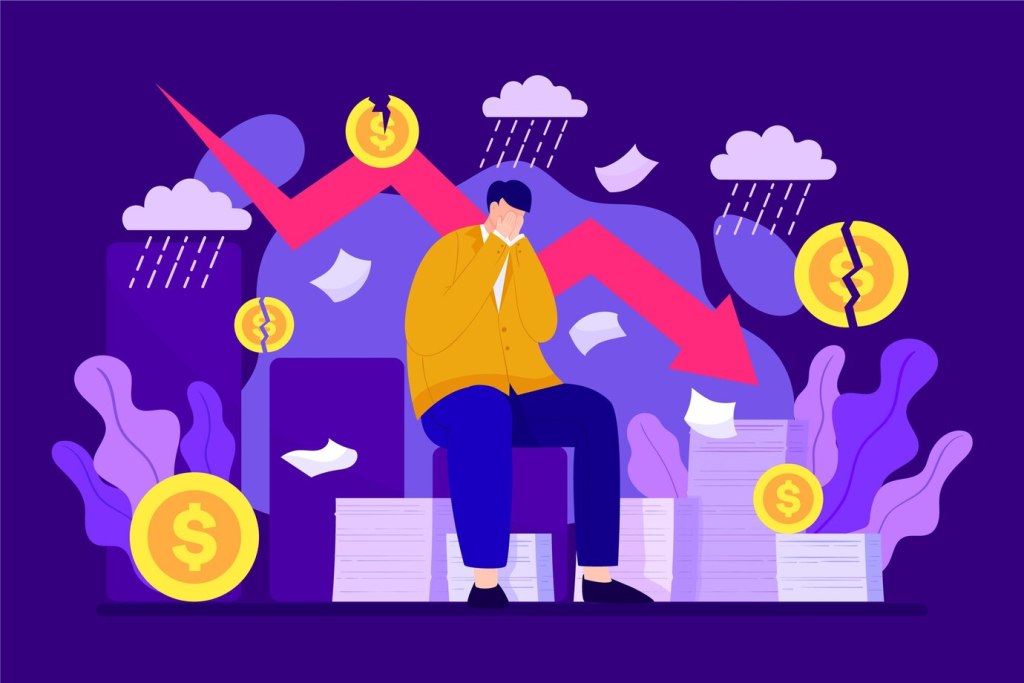
Socioeconomic status (SES) is a multifaceted evaluation of a person’s or family’s economic and social standing, integrating income, education, occupation, and access to resources.
Income is the cornerstone: financial resources from employment, investments, and assistance programs. Higher income generally means greater capacity to afford housing, healthcare, and stability.
Education acts as a catalyst for mobility, opening access to higher-paying work and career advancement. Limited access to quality education, conversely, can perpetuate cycles of poverty.
Occupation carries its own status and its own access to benefits, healthcare coverage, retirement plans, job security, that shape economic well-being well beyond the paycheck itself.
Access to resources and opportunities extends beyond all three: housing stability, healthcare access, transportation, and social support networks all compound or constrain each other.
People with higher SES typically experience lower levels of stress, better physical health, and greater life satisfaction. People facing economic hardship more often deal with chronic stress, financial insecurity, and limited access to essential resources, all of which predispose them to depression and anxiety.
Socioeconomic status, commonly abbreviated as SES, serves as a pivotal determinant of one’s position within the societal hierarchy. It encompasses a multifaceted evaluation of an individual’s or a family’s economic and social standing, integrating factors such as income, education level, occupational prestige, and access to resources.
Understanding Socioeconomic Adversity
Socioeconomic adversity encompasses the challenges and hardships experienced by individuals and families due to their low socioeconomic status. This adversity can manifest in various forms, including financial insecurity, limited access to healthcare and education, unstable housing, and exposure to environmental stressors.
The 3 Major Link Between Socioeconomic Status and Depression
1. Economic strain. Financial difficulty is a major source of chronic stress. The inability to afford basic necessities undermines a sense of stability, and living paycheck to paycheck with no financial safety net keeps the nervous system in a near-constant state of vigilance. Over time, that ongoing struggle erodes optimism: it’s hard to feel hopeful about a future you can’t picture affording, and the feelings of inadequacy that follow can become self-reinforcing, trapping people in a cycle where the stress itself makes it harder to change the circumstances causing it.
2. Social disparities. Low SES often travels with limited access to quality education, stable employment, and healthcare. Children from disadvantaged backgrounds frequently receive a weaker education than peers from more affluent families, which compounds the risk of developing depression later by limiting the paths available to them. Adults face their own version: barriers to stable, well-paying work — lack of job security, discrimination, limited training access, that undermine both financial stability and a sense of self-worth. Experiences of discrimination and social exclusion compound the isolation, deepening vulnerability to depression.
3. Environmental factors. People in economically disadvantaged circumstances are more likely to live in neighborhoods with higher crime, more pollution, and fewer green spaces. Constant exposure to safety concerns keeps stress elevated. Environmental pollutants have documented links to worse mental health outcomes, including depression and cognitive impairment. And the lack of accessible outdoor space removes a genuinely protective factor, exposure to nature is associated with lower stress and better mood right when it would help most.
Addressing the Social Causes of Depression
Meaningfully addressing this requires more than individual coping strategies, it requires structural change alongside clinical support:
Poverty alleviation. Policies like higher minimum wages, affordable housing access, and stronger social safety nets reduce the financial stressors that drive depression at the source. Targeted interventions, cash assistance, income support, offer more immediate relief.
Improving access to healthcare. Equitable access to affordable, culturally competent mental healthcare, including therapy, counseling, and medication, is essential. Reducing stigma and expanding community mental health resources helps people seek support earlier, before a crisis point.
Education and employment opportunities. Investment in job training, vocational programs, and inclusive hiring practices gives people real paths out of the cycle, not just individual coping tools for staying in it.
Community support networks. Expanded social services, food assistance, housing support, childcare, address material hardship directly. Peer support groups and community-based programs reduce the isolation that so often compounds economic stress.
he Link Between Socioeconomic Status and Depression in New York City
New York makes this dynamic especially visible. The cost of housing alone consumes a larger share of income here than almost anywhere else in the country, and that pressure doesn’t stay contained to a budget spreadsheet, it shows up as chronic stress, as the calculus of choosing between a doctor’s visit and rent, as exhaustion from commutes that eat hours other cities don’t demand. For lower-income New Yorkers, the same environmental factors described above (crowding, pollution, less green space) are often concentrated in the neighborhoods where housing is actually affordable, compounding the mental health impact rather than offsetting it. Financial hardship in this city isn’t a background stressor, for a lot of people, it’s the stressor everything else gets built around.
Gain Insight and Prioritize Your Mental Health Today
Understanding how socioeconomic status influences depression is the first step toward addressing it. At Uncover Mental Health Counseling, we’re here to help:
- Schedule a free 15-minute consultation. Connect with us to talk through what you’re facing and start building strategies for emotional resilience.
- Work with a NYC therapist who understands socioeconomic stress. Our therapists take the financial and structural realities of your situation seriously, not just the symptoms.
- Build real support. We offer practical tools, genuine support, and therapeutic techniques to help you navigate what you’re carrying and work toward greater stability.
Book a free consultation today to get started.
About the Author
Kristie Tse, LMHC-D (NY License #009672) is the founder of Uncover Mental Health Counseling, a virtual private pay practice in New York State. She specializes in attachment, relationships, anxiety, and identity with high-achieving adults, and has a particular focus on Asian American adults, LGBTQ+ individuals, and first-generation Americans. Her work has been featured in HuffPost, Verywell Mind, Well+Good, and Bustle.